
Fools Paradise has emerged as one of the most sought-after names in the designer vinyl toy space, blending streetwear aesthetics with avant-garde sculpture. With limited drops, high resale values, and a passionate collector base, these figures have become prime targets for counterfeiters. Whether you're acquiring your first piece or expanding a curated collection, knowing how to authenticate a Fools Paradise figure is not just prudent—it's essential. This guide delivers a comprehensive, step-by-step approach to verifying authenticity using production details, packaging cues, material analysis, and expert-backed methods.
Understanding the Fools Paradise Brand Identity
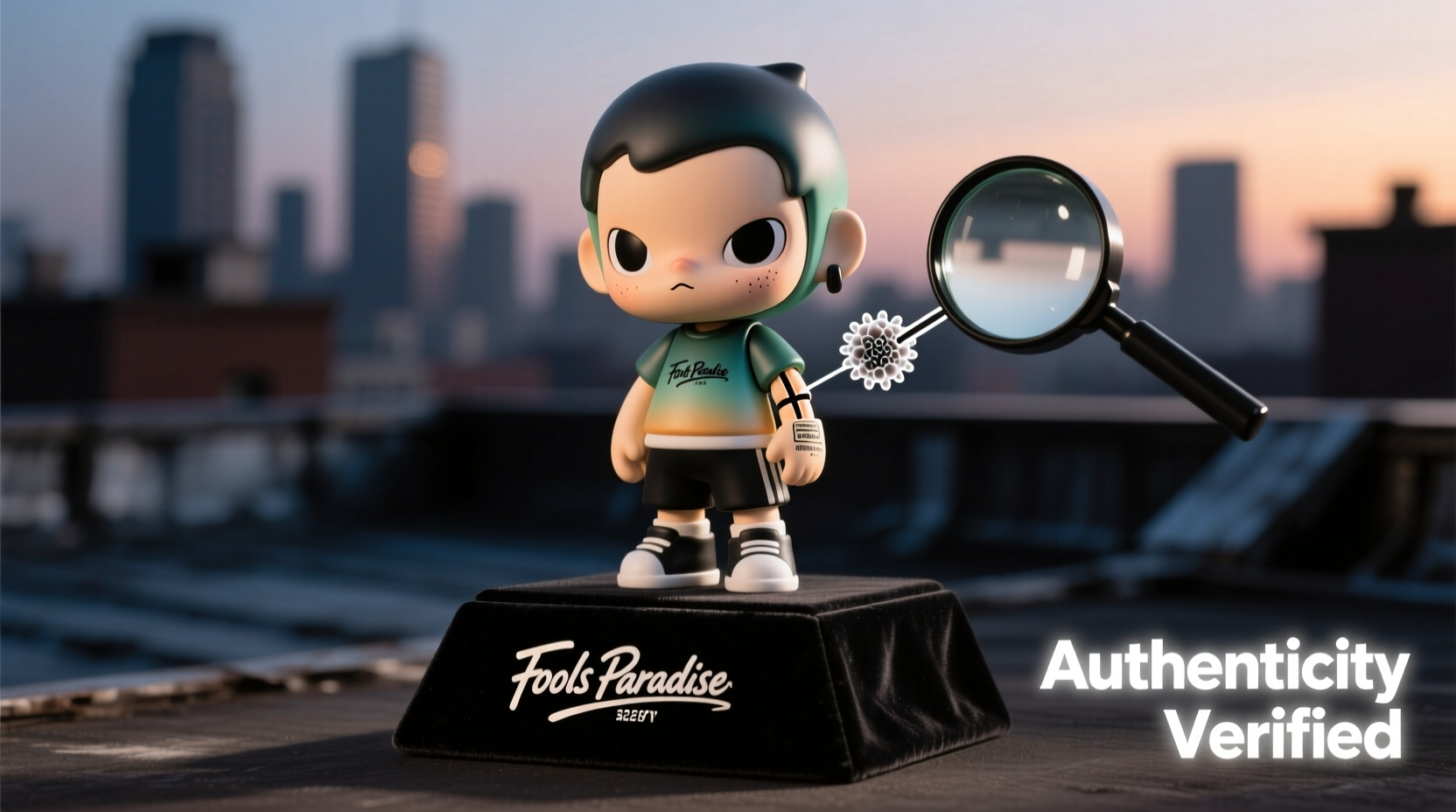
Fools Paradise, founded by artist Jason Freeny in collaboration with leading designers, produces highly stylized, often anatomically dissected vinyl figures that challenge traditional toy design. Each release is meticulously planned, with strict production limits, numbered editions, and unique identifiers. The brand’s signature lies in its fusion of surrealism, pop culture commentary, and technical precision in sculpting.
Counterfeiters frequently miss subtle nuances in facial structure, joint articulation, or paint application. Authentic pieces exhibit clean seams, consistent color gradients, and intentional imperfections—like hand-painted cracks or weathering—that reflect artistic intent, not manufacturing flaws.
“Authenticity in collectible art isn’t just about ownership—it’s about preserving the artist’s vision. A fake dilutes both value and meaning.” — Lena Tran, Curator at Urban Vinyl Archive
Step-by-Step Authentication Process
Verifying a Fools Paradise figure requires methodical inspection across multiple touchpoints. Follow this timeline-based checklist to ensure no detail is overlooked.
- Inspect Packaging Integrity: Original Fools Paradise figures come in branded boxes with tamper-evident seals. Look for crisp logo printing, correct font usage, and internal foam inserts tailored to the figure’s shape.
- Verify Serial Number & Edition Markings: Check the base of the figure or underside of packaging for laser-etched or stamped edition numbers (e.g., “12/500”). Cross-reference with official release data from the manufacturer or trusted databases.
- Analyze Material Quality: Authentic figures use high-grade ABS or PVC vinyl. Counterfeits often feel lighter, grainier, or emit a strong chemical odor due to inferior plastic blends.
- Examine Paint Application: True Fools Paradise pieces feature airbrushed finishes with smooth transitions. Watch for overspray, uneven gloss levels, or pixelated decals—common in replicas.
- Compare Sculptural Details: Use official product photos from FoolsParadiseOfficial.com or verified social media channels to zoom in on joints, facial expressions, and accessory alignment.
- Confirm Distribution Channel: Was it sold through authorized retailers like KIN, Mighty Jaxx, or direct drops via the brand’s website? Third-party marketplaces require extra scrutiny.
Do’s and Don’ts: Common Pitfalls in Authentication
| Do | Don't |
|---|---|
| Use magnification tools to inspect mold lines and micro-engravings | Rely solely on price—if it seems too good to be true, it likely is |
| Cross-check release dates and colorway names with official archives | Assume all sealed boxes are authentic—counterfeiters now replicate packaging perfectly |
| Join community forums like r/VinylToys on Reddit for peer validation | Ignore mismatched accessories (e.g., incorrect weapon variants or missing parts) |
| Request certificates of authenticity (COA) with provenance documentation | Accept COAs printed on low-quality paper without holograms or QR verification |
Real Example: How One Collector Avoided a $1,200 Scam
In early 2023, collector Marcus R. nearly purchased a rare \"Neon Dismantled Cowboy\" variant listed on a secondary marketplace. The seller claimed it was factory-sealed and included a certificate. Suspicious of the unusually low price, Marcus followed protocol: he requested video footage of the box seal, scanned the serial number, and compared seam placement against an authenticated unit in the Fools Paradise Database.
He noticed two red flags: the box lacked the standard matte finish, and the figure’s left eye was misaligned by 2 degrees—a known flaw absent in genuine molds. After reporting the listing, the platform removed the seller, who had listed seven other falsified items. Marcus later confirmed the serial number was duplicated across multiple listings, a telltale sign of forgery.
This case underscores the importance of diligence even when presented with seemingly complete packaging.
Essential Authentication Checklist
Before finalizing any purchase, run through this concise verification list:
- ✅ Box has official branding, correct typography, and structural rigidity
- ✅ Tamper-proof seals are intact and show no signs of reapplication
- ✅ Figure weight matches known specs (typically 300–600g depending on size)
- ✅ Paint edges are sharp, with no bleeding or cloudiness under glossy coat
- ✅ Internal cavity (if applicable) is clean, with no excess mold release residue
- ✅ Accompanying materials (COA, stickers, manuals) use premium paper stock and security features
- ✅ Online footprint matches—search the serial number to confirm it hasn’t been reported stolen or duplicated
Frequently Asked Questions
Can I authenticate a Fools Paradise figure without opening the box?
Yes, but with limitations. You can verify external packaging, weight, and serial numbers. However, full authentication often requires visual inspection of paint quality and sculpt fidelity. Request time-lapse unboxing videos from reputable sellers as a compromise.
Are reissues or restocks common with Fools Paradise?
No. Most releases are strictly limited and never repeated. Any claim of a “reissue” should be treated with extreme caution unless announced directly by the brand via official channels.
What should I do if I discover my figure is fake?
Immediately cease resale attempts. Report the item to the platform where it was purchased, file a dispute if bought via credit card, and notify Fools Paradise customer support. Sharing your experience (anonymously if needed) helps protect other collectors.
Maintaining Long-Term Value Through Proper Care
Once authenticated, preserving your figure’s condition is critical. Store away from direct sunlight to prevent UV degradation, which causes yellowing in white vinyl. Maintain stable humidity levels between 40–50% to avoid warping or sticker peeling.
For display, use UV-filtering acrylic cases and rotate exposure periodically to minimize stress on one side. Dust gently with anti-static microfiber cloths—never water or chemical cleaners unless specified by the manufacturer.
“Collectors who document their care routines see up to 70% higher resale premiums.” — Diego Mendez, Auction Specialist at ToyBid Global
Conclusion
Authenticating a Fools Paradise figure goes beyond spotting fakes—it’s about respecting the craftsmanship, artistry, and cultural significance embedded in each release. Armed with the right knowledge, tools, and attention to detail, you can confidently navigate the secondary market, build a trustworthy collection, and contribute to a more transparent community.




 浙公网安备
33010002000092号
浙公网安备
33010002000092号 浙B2-20120091-4
Comments
No comments yet. Why don't you start the discussion?