
In the world of luxury accessories, shell bags—particularly those crafted from exotic leathers like python, crocodile, lizard, or stingray—represent the pinnacle of elegance and exclusivity. Their shimmering textures and natural patterns make them stand out in any collection. Yet, with rising demand comes an influx of imitations and poorly made replicas that lack longevity and authenticity. Distinguishing a truly high-quality shell bag from a subpar one requires more than aesthetic appeal—it demands knowledge of materials, construction techniques, and signs of expert craftsmanship.
Whether you're investing in your first exotic piece or expanding a curated wardrobe, understanding what separates enduring luxury from fleeting trendiness is essential. This guide equips you with the expertise to evaluate shell bags with confidence, ensuring your investment reflects both style and substance.
Understanding Shell Bag Materials: Beyond the Surface Shine
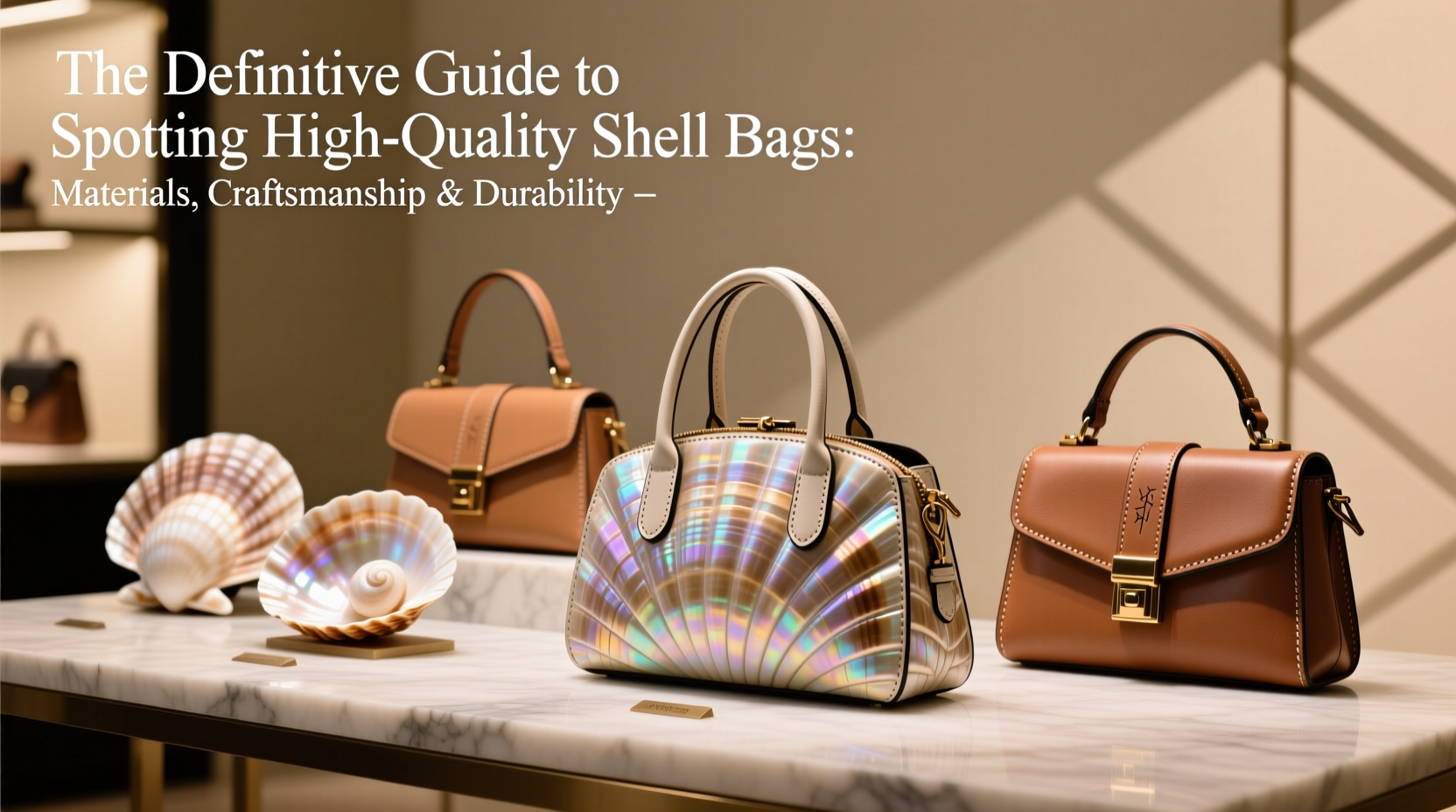
The term “shell” in fashion typically refers to the skins of reptiles and certain fish, prized for their unique textures and natural resilience. The most common types include:
- Python: Lightweight with a soft drape; recognizable by its diamond-shaped scales.
- Crocodile: Highly structured with rectangular belly scales; considered the most luxurious.
- Alligator: Similar to crocodile but with symmetrical scale patterns and smaller pores.
- Lizard: Delicate with small, pebbled texture; often used in delicate evening clutches.
- Stingray (Shagreen): Extremely durable with a gritty, pearly finish; resists scratches well.
Authenticity begins at the source. High-end brands source skins ethically and legally, adhering to CITES regulations (Convention on International Trade in Endangered Species). A reputable seller will provide documentation or traceability upon request. Avoid pieces with inconsistent scale patterns, overly uniform coloring, or synthetic finishes—these are hallmarks of printed or embossed leather masquerading as real exotic skin.
Inspecting Craftsmanship: The Details That Define Excellence
Premium materials alone don’t guarantee a superior bag. The craftsmanship determines whether it ages gracefully or falls apart within months. Begin your evaluation with these key structural elements:
- Scale Alignment: On crocodile or alligator pieces, scales should align symmetrically across panels, especially along the center front. Misaligned or haphazardly matched scales indicate rushed cutting and low-tier production.
- Edge Finishing: Edges should be burnished smoothly, without fraying or uneven paint. High-end bags use multi-layer edge painting or resin coating for a polished, sealed finish.
- Stitching Quality: Look for even, tight stitches (typically 8–10 per inch). Hand-stitching is a hallmark of luxury, offering flexibility and strength. Double stitching on stress points like handles or closures adds durability.
- Lining Material: Interior linings should be made from soft, color-coordinated suede or silk. Poor-quality polyester linings or loose seams inside signal cost-cutting.
- Hardware Integration: Zippers, clasps, and feet should be securely mounted and aligned. Branded hardware (e.g., YKK zippers, custom metal logos) reflects attention to detail.
Examine corners and gussets closely. These areas endure the most stress and are where cheaper bags begin to split or warp. Reinforced stitching or internal support layers in these zones demonstrate thoughtful engineering.
Durability Factors: How to Predict Long-Term Performance
A beautiful bag today means little if it cracks, fades, or deforms in six months. Durability hinges on three pillars: material integrity, tanning method, and protective finishing.
Properly tanned exotic skins retain flexibility while resisting moisture and cracking. Vegetable-tanned leathers age beautifully, developing a rich patina. Chrome-tanned skins are softer initially but may degrade faster under UV exposure. Top-tier manufacturers apply protective coatings that repel water and resist stains without masking the natural grain.
Consider environmental resilience. Stingray and crocodile are naturally water-resistant due to dense dermal structures. Python, while stunning, is more porous and prone to drying if not conditioned regularly. Always ask about care requirements before purchase.
| Material | Durability Score (1–5) | Key Strengths | Common Weaknesses |
|---|---|---|---|
| Crocodile | 5 | High structure, scratch-resistant, ages well | Expensive, heavy if large |
| Stingray | 5 | Extremely tough, water-resistant, unique luster | Rigid, limited flexibility |
| Python | 3.5 | Lightweight, supple drape, elegant pattern | Porous, requires frequent conditioning |
| Lizard | 3 | Fine texture, vintage appeal | Fragile, easily scratched |
| Alligator | 4.8 | Premium feel, excellent symmetry, long lifespan | Very high cost, strict maintenance |
“Luxury isn’t just about appearance—it’s about how a bag feels after five years of use. The best ones improve with time.” — Antoine Morel, Master Leather Artisan, Paris Atelier
Real-World Example: The $3,000 vs. The $300 Knockoff
Sophia, a fashion consultant based in Milan, purchased two python tote bags—one from a renowned French maison, the other from a third-party online marketplace claiming “luxury-inspired design.” Both looked nearly identical in photos.
Within three months, the cheaper bag showed visible wear: the scales began lifting at the base, the lining detached near the zipper, and the shoulder strap stitching loosened. Meanwhile, her authentic piece retained its shape, developed a soft sheen, and remained structurally sound after daily use.
The difference? The genuine bag used full-grain python belly skin, hand-matched for pattern continuity, with saddle-stitched seams and Italian calf leather interior supports. The replica used fragmented off-cuts glued together, machine-stitched with thin thread, and finished with synthetic lacquer that cracked under sunlight.
This case underscores a critical truth: shortcuts in material selection and assembly are rarely visible upfront but become undeniable over time.
Step-by-Step Guide to Evaluating a Shell Bag Before Purchase
Follow this checklist when inspecting a shell bag in person or via detailed product images:
- Check the Skin Origin: Verify species and sourcing claims. Ask for certification if buying exotic leather.
- Assess Scale Consistency: Scales should flow naturally across panels. Avoid mismatched or patched sections.
- Test Flexibility: Gently bend the material. It should flex without creasing sharply or making cracking sounds.
- Inspect Stitching Up Close: Use magnification if needed. Stitches should be uniform, tight, and waxed for strength.
- Evaluate Internal Construction: Open the bag. Look for clean seams, reinforced corners, and premium lining.
- Smell the Material: Real leather has a distinct, earthy scent. Chemical or plastic odors suggest poor tanning or synthetic layers.
- Review Brand Reputation: Research customer feedback on longevity, not just aesthetics.
Frequently Asked Questions
Can I travel with a shell bag?
Yes, but with precautions. Store it in a breathable dust bag and avoid placing heavy items inside. Never pack it in checked luggage, where pressure and temperature changes can damage the skin.
How do I clean a stained shell bag?
Never use household cleaners. For surface dirt, use a microfiber cloth dampened with distilled water. For oil-based stains, consult a professional leather restorer. Conditioning every 3–6 months prevents drying.
Are vegan “exotic” leathers a good alternative?
Some plant-based or lab-grown materials mimic reptile textures convincingly, but they generally lack the structural integrity and aging qualities of real skins. They’re ethical and affordable, but not yet comparable in longevity.
Final Thoughts: Invest Wisely, Wear Confidently
A high-quality shell bag is more than an accessory—it’s a legacy piece. Its value lies not only in rarity or brand prestige but in the quiet excellence of its construction. When you know what to look for—authentic materials, precise craftsmanship, and thoughtful design—you shift from being a passive buyer to an informed collector.
Take your time. Touch, examine, question, and compare. Let your standards rise with your appreciation for true artistry. In doing so, you ensure that every shell bag you own doesn’t just turn heads today, but earns admiration for years to come.




 浙公网安备
33010002000092号
浙公网安备
33010002000092号 浙B2-20120091-4
Comments
No comments yet. Why don't you start the discussion?