
Tweed is more than a fabric—it’s a statement. Rooted in tradition yet endlessly adaptable, a well-chosen tweed jacket adds depth, texture, and timeless elegance to any wardrobe. Whether you're dressing for countryside weekends, urban sophistication, or a smart-casual event, the right tweed piece can anchor your look with quiet authority. But not all tweed jackets are created equal. The difference between looking dashing and merely dated lies in the details: fit, fabric weight, pattern, and personal styling. This guide cuts through the noise to help you select and wear a tweed jacket that reflects your personality and enhances your silhouette.
Understanding Tweed: Origin, Texture, and Types
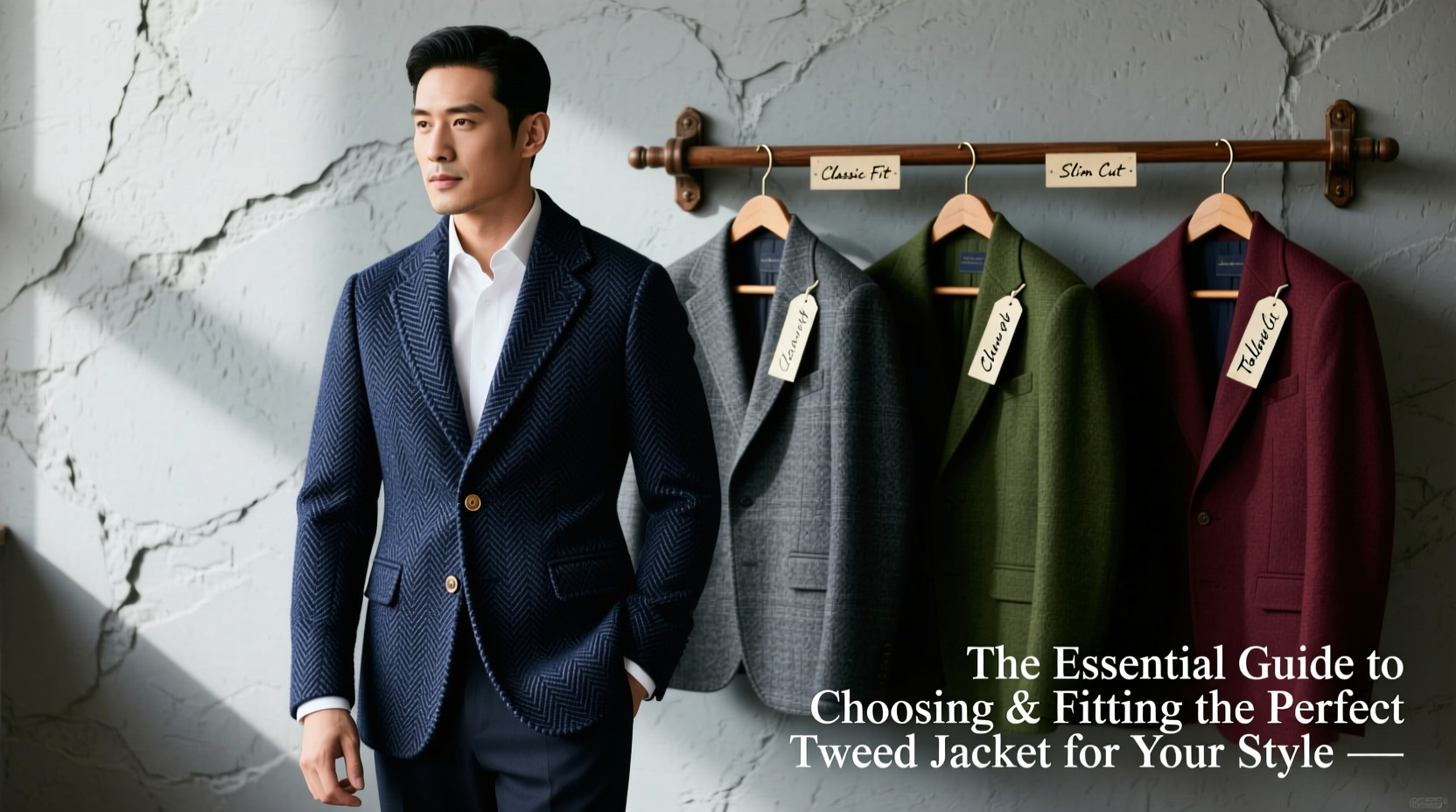
Born in the Scottish Highlands and refined across rural Britain, tweed was originally crafted for durability and weather resistance. Made from tightly woven wool, it naturally insulates, repels light rain, and withstands years of wear. Today, tweed comes in several distinct styles, each suited to different climates and aesthetics:
- Harris Tweed – Handwoven in the Outer Hebrides, this is the most prestigious variety. It bears the Orb Mark certification and features rich, irregular textures with deep earth tones.
- Donegal Tweed – Hailing from Ireland, known for its colorful slubs (tiny flecks) scattered throughout the weave, giving it a lively, rustic charm.
- Smooth Worsted Tweed – A tighter, more refined weave ideal for city wear. Less rugged, more polished, often used in tailored sport coats.
- Heavyweight Harris or Yorkshire Tweed – Best for autumn and winter; excellent for country pursuits but can feel bulky in warmer months.
The character of tweed lies in its imperfections—subtle variations in color, visible weave, and natural lanolin content that resists moisture. When selecting a jacket, run your hand over the fabric. It should feel substantial without being stiff, with a slight nap indicating quality wool.
Finding Your Fit: Structure, Shoulders, and Silhouette
No amount of heritage craftsmanship can compensate for poor fit. A tweed jacket must follow the lines of your body while allowing room for layering—especially if worn over sweaters in colder months.
Shoulders are the foundation. The seam should sit precisely at the edge of your shoulder bone. If it extends past, the jacket will sag; if it cuts in, it will restrict movement. Unlike softer sports coats, tweed is less forgiving due to its stiffness, so precision here is critical.
Sleeve length should allow about half an inch of shirt cuff to show. Too long, and the jacket appears sloppy; too short, and it looks undersized.
The waist should taper slightly without pulling across the chest or buttons. Stand relaxed when trying on—buttons should close without strain. If you can’t comfortably fit a fist between the button and lapel, it’s too tight.
Consider structure: Unlined or lightly lined tweed jackets offer flexibility and breathability, ideal for transitional seasons. Fully lined versions provide warmth and shape retention but may feel heavy in milder weather.
“Fit isn’t just about measurements—it’s about proportion. A well-fitted tweed jacket should make you stand taller.” — Julian Hart, Bespoke Tailor, Savile Row
Choosing the Right Pattern and Color for Your Style
Tweed patterns speak volumes before you say a word. From herringbone to check, houndstooth to windowpane, each conveys a different mood.
| Pattern | Vibe | Best For |
|---|---|---|
| Herringbone | Classic, understated movement | City wear, business casual |
| Prince of Wales Check | Elegant, slightly bold | Weddings, formal gatherings |
| Gloucester or Gun Club Check | Rustic, outdoorsy | Countryside outings, weekend wear |
| Solid or Subtle Fleck | Modern, minimalist | Pairing with jeans or chinos |
Color selection depends on skin tone and versatility. Earth tones—olive, russet, charcoal, heather grey—are timeless and easy to match. Navy and brown tweeds work year-round. Brighter Donegal flecks add personality but require more careful coordination.
Step-by-Step Guide to Styling Your Tweed Jacket
Wearing tweed confidently means balancing tradition with modernity. Follow these steps to build cohesive, stylish outfits:
- Determine the occasion: Is this for a dinner out, a walk in the hills, or office wear? Match the formality of the jacket to the setting.
- Choose complementary trousers: Corduroys, wool flannels, or moleskin pants work best. Avoid black dress trousers—they clash with tweed’s rustic nature.
- Select a proper shirt: A chambray, oxford cloth, or cable-knit sweater underneath maintains balance. For formal settings, a crisp white or blue dress shirt adds polish.
- Pick footwear wisely: Brogues, loafers, or suede boots complement tweed. Avoid sleek oxfords unless the jacket is smooth worsted.
- Add finishing touches: A pocket square in a contrasting texture (like silk or linen), a leather watch strap, or a flat cap can elevate the look without overdoing it.
Avoid matching your trousers to the jacket unless going full suit. Contrast creates visual interest. For example, a brown herringbone jacket over navy flannel pants offers depth and sophistication.
Mini Case Study: Alex’s Transition to Smart-Casual Confidence
Alex, a 34-year-old marketing consultant, struggled to find workwear that felt professional but not corporate. After investing in a mid-weight olive herringbone tweed jacket with a soft shoulder and partial lining, he paired it with dark selvedge denim, a cream merino turtleneck, and suede tassel loafers. The result? He received consistent compliments during client meetings and felt more authentic than in his previous suits. The jacket became his signature piece—equally at home in a café interview or a gallery opening.
Your Tweed Selection Checklist
Before purchasing, use this checklist to ensure you’re making the right choice:
- ✅ Fabric is 100% wool (avoid polyester blends)
- ✅ Shoulder seams align with the end of your shoulder bone
- ✅ Sleeves allow ½ inch of shirt cuff to show
- ✅ Buttons close without tension or gapping
- ✅ Lining feels smooth and doesn’t restrict movement
- ✅ Pattern complements your usual wardrobe colors
- ✅ Jacket balances structure and comfort for your lifestyle
FAQ
Can I wear a tweed jacket in the summer?
Yes, but choose lightweight, unlined versions in lighter colors like tan or grey. Opt for open weaves such as fresco tweed, which breathe better. Avoid heavy, densely woven fabrics during hot months.
How do I care for my tweed jacket?
Never machine wash. Air it out after wearing by hanging it overnight. Use a clothes brush with natural bristles weekly to remove dust and prevent pilling. For stains, consult a specialist dry cleaner experienced with wool. Store on a wide wooden hanger in a breathable cotton garment bag.
Is tweed only for older men or traditional styles?
Not at all. Modern tailoring and bolder patterns have made tweed relevant for all ages. Pair a slim-fit tweed jacket with dark jeans and Chelsea boots for a contemporary edge. The key is balancing the classic fabric with current silhouettes.
Final Thoughts: Make It Yours
A tweed jacket shouldn’t be worn like a costume. It should feel like an extension of who you are—thoughtful, grounded, and quietly confident. Whether you favor the rugged charm of Harris tweed or the sleekness of a worsted blend, the perfect jacket is one that fits impeccably, suits your life, and invites conversation.
Don’t rush the decision. Try on multiple cuts, touch different weaves, and visualize how it integrates into your existing wardrobe. When you find “the one,” it won’t just last a season—it could become a decade-long companion, developing a patina that tells your story.




 浙公网安备
33010002000092号
浙公网安备
33010002000092号 浙B2-20120091-4
Comments
No comments yet. Why don't you start the discussion?