
A well-fitting wool jacket does more than keep you warm—it elevates your entire wardrobe. Whether it’s a tailored overcoat, a relaxed topcoat, or a modern peacoat, the right size ensures both comfort and sophistication. Yet, many people settle for off-the-rack fits that are too tight in the shoulders, too long in the sleeves, or boxy through the torso. The difference between looking polished and merely bundled up often comes down to fit. Understanding how to select the correct size isn’t just about numbers on a tag; it’s about proportion, structure, and personal style.
Why Fit Matters More Than Size Labels
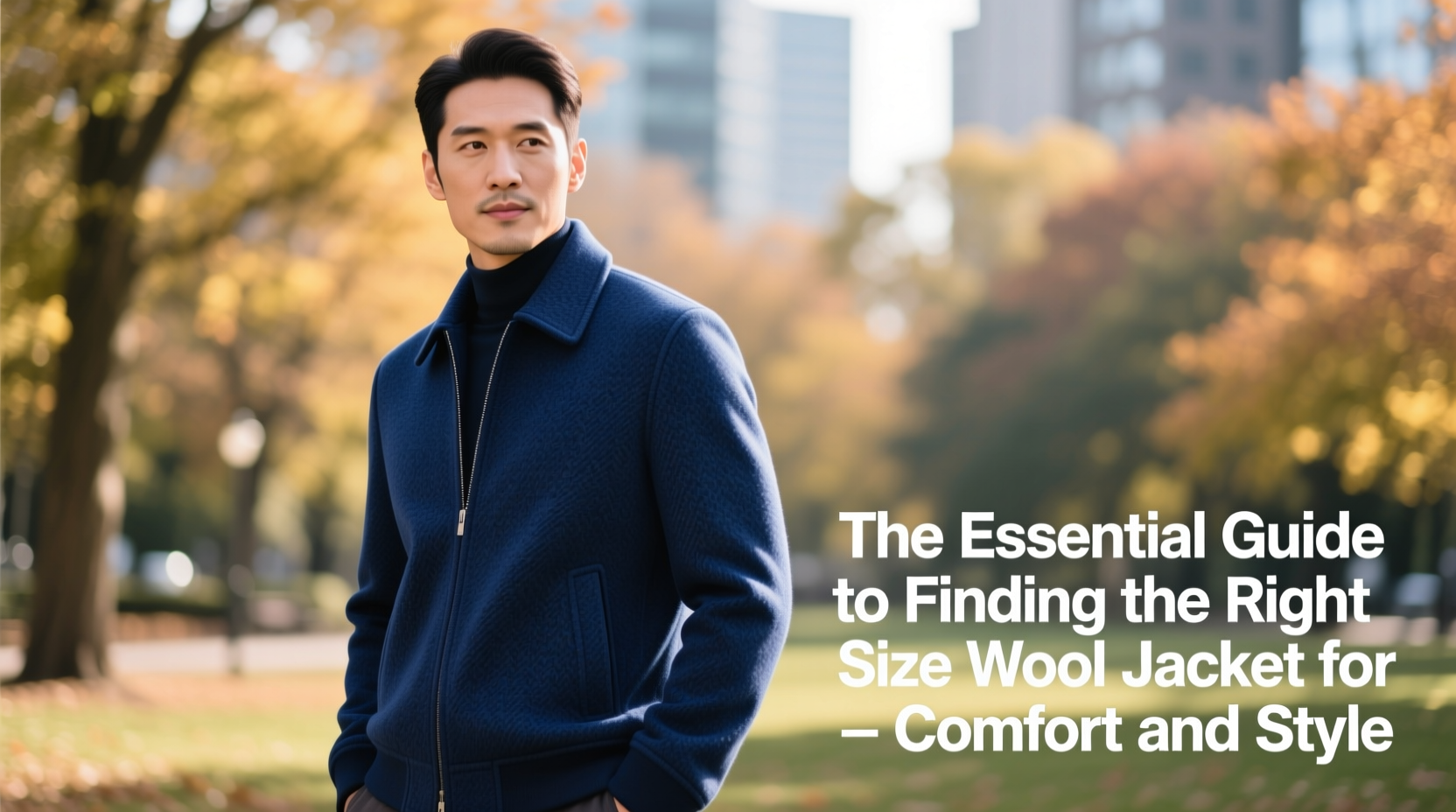
Wool jackets vary widely in cut and sizing across brands and countries. A size 40 in an Italian brand may equate to a 38 in a British label. Relying solely on labeled sizes leads to frustration and poor outcomes. Instead, focus on actual measurements and how the garment interacts with your body.
The ideal wool jacket should allow for layering without strain, maintain clean lines across the shoulders, and end at a flattering length relative to your height. A misfit can distort posture, restrict movement, and undermine even the finest fabric.
How to Measure Yourself for a Wool Jacket
Accurate self-measurement is the foundation of proper sizing. Use a soft tape measure and stand naturally—don’t pull in your stomach or puff out your chest.
- Chest: Wrap the tape around the fullest part of your chest, under the arms, keeping it level all the way around. Don’t hold your breath.
- Waist: Measure at your natural waistline, typically just above the hip bones.
- Shoulders: Measure from the edge of one shoulder, across the back, to the other shoulder’s edge. This determines if the jacket’s shoulder seams will align correctly.
- Sleeve Length: Bend your arm slightly and measure from the base of your neck (where the collar sits), over the shoulder, and down to your wrist bone.
- Jacket Length: From the base of the neck down the back to where you want the jacket to end—typically at or just below the hips.
Once you have these numbers, compare them to the brand’s specific size chart. Never assume your usual size applies universally.
Finding the Right Fit Across Key Areas
A wool jacket should feel secure but not restrictive. Here’s what to check in critical zones:
- Shoulders: The seam should sit precisely at the edge of your shoulder. If it extends past, the jacket is too big; if it pulls inward, it’s too small.
- Chest: You should be able to button the jacket without pulling or gapping. There should be slight ease—about 1–2 inches of space when fastened.
- Sleeves: They should reach the base of your thumb, allowing about half an inch of shirt cuff to show. Too long looks sloppy; too short exposes wrists unnecessarily.
- Length: For most body types, the hem should fall at the top of the thigh. Taller individuals may opt for longer styles, while shorter frames benefit from cropped cuts.
- Collar: When buttoned, the collar should lie flat against your coat or sweater, not ride up or gap at the neck.
| Fit Area | Ideal Fit | Warning Signs |
|---|---|---|
| Shoulders | Seam aligns with shoulder edge | Seam droops or digs in |
| Chest | Smooth closure, no strain | Gaping buttons or wrinkling |
| Sleeves | Ends at wrist bone, shows shirt cuff | Too long/short, restricts movement |
| Back | No horizontal wrinkles when moving | Creasing indicates tightness |
| Waist | Tapers slightly, follows body line | Bulges or flares outward |
Step-by-Step Guide to Trying On a Wool Jacket
Trying on a jacket properly reveals subtle fit issues that aren’t obvious at first glance. Follow this sequence:
- Put it on over typical layers. Wear a sweater or shirt and tie, depending on intended use.
- Button it up. Start with the middle button—if it’s a double-breasted style, fasten the preferred closure.
- Check the shoulders. Look in the mirror from behind and ensure the seam doesn’t extend beyond your frame.
- Move your arms. Raise them slightly, cross your arms, and simulate reaching forward. Fabric shouldn’t pull tightly across the back.
- Assess drape. The jacket should hang straight, with lapels lying flat and no tension at the button.
- Walk around. Take a few steps. Does it ride up? Feel constricting? Adjust naturally?
- Ask for feedback. If possible, have someone else observe the fit from multiple angles.
Expert Insight: Tailoring Makes All the Difference
Even the best-fitting off-the-rack jacket may need minor adjustments. A skilled tailor can transform a good fit into a perfect one.
“A wool jacket should move with you, not against you. Two key alterations—sleeve shortening and waist suppression—can make a ready-to-wear piece look custom-made.” — Daniel Reyes, Menswear Tailor & Bespoke Consultant
Common tailoring fixes include taking in the sides for a slimmer silhouette, adjusting sleeve length, or reshaping the shoulders. However, avoid altering the shoulders or chest dramatically—those are structural elements best addressed by choosing the correct size initially.
Real Example: Finding the Right Fit After Repeated Missteps
James, a 5’10” professional in his mid-30s, had purchased three wool overcoats online, each returned due to poor fit. The first was too boxy, making him look shapeless. The second had tight shoulders that restricted movement. The third looked great on paper but had sleeves two inches too long.
After measuring himself accurately and visiting a store with knowledgeable staff, he discovered his true size varied by brand. He chose a modern-cut navy wool coat with a slightly tapered waist and natural shoulders. With a simple $40 alteration to shorten the sleeves, the jacket looked custom-fit. Now, it’s his go-to outerwear for both work and weekends.
Checklist: How to Ensure Your Wool Jacket Fits Perfectly
- ☑ Measured chest, shoulders, and sleeve length accurately
- ☑ Tried on with appropriate layers (e.g., sweater)
- ☑ Checked shoulder seam alignment
- ☑ Verified no strain when buttoned
- ☑ Confirmed sleeve ends at wrist with slight shirt exposure
- ☑ Ensured jacket length complements body proportions
- ☑ Moved arms and walked to test mobility
- ☑ Considered professional alterations for fine-tuning
Frequently Asked Questions
Can I wear a wool jacket unbuttoned and still expect a good fit?
Yes, but the structure should still follow your body. An unbuttoned jacket that flares excessively at the waist or gaps at the chest likely needs tailoring or a different size. Modern cuts often feature a slight suppression to maintain shape even when open.
Should a wool jacket feel snug at first?
No. Wool has minimal stretch. If it feels tight during the fitting, it won’t loosen over time. Aim for immediate comfort with room for layering. Remember, you’re dressing for function and form—not squeezing into last season’s jeans.
Is it better to size up for winter layering?
Sizing up often creates bulk and distorts the jacket’s silhouette. Instead, choose the correct size and consider layering with thinner, high-loft materials like merino wool or technical thermals. A well-structured jacket accommodates moderate layering without needing a larger size.
Final Thoughts: Style Begins With Fit
A wool jacket is an investment in both warmth and appearance. No matter how luxurious the fabric or timeless the design, its impact diminishes if the fit is off. Taking the time to measure yourself, understand key fit points, and prioritize tailoring transforms your outerwear from ordinary to exceptional. The right size doesn’t just flatter your frame—it gives you confidence with every step.




 浙公网安备
33010002000092号
浙公网安备
33010002000092号 浙B2-20120091-4
Comments
No comments yet. Why don't you start the discussion?