
Ginger is more than just a pungent addition to stir-fries or tea—it’s a powerhouse of flavor and wellness that has been revered across cultures for centuries. As modern science validates what traditional medicine has long claimed, ginger stands out as one of the most versatile and beneficial spices in both the kitchen and medicine cabinet. Whether you're managing digestive discomfort, seeking natural anti-inflammatory support, or simply elevating your cooking with bright, spicy warmth, ginger delivers tangible results. Its unique combination of bioactive compounds, culinary flexibility, and accessibility makes it indispensable for health-conscious cooks and home healers alike.
Definition & Overview
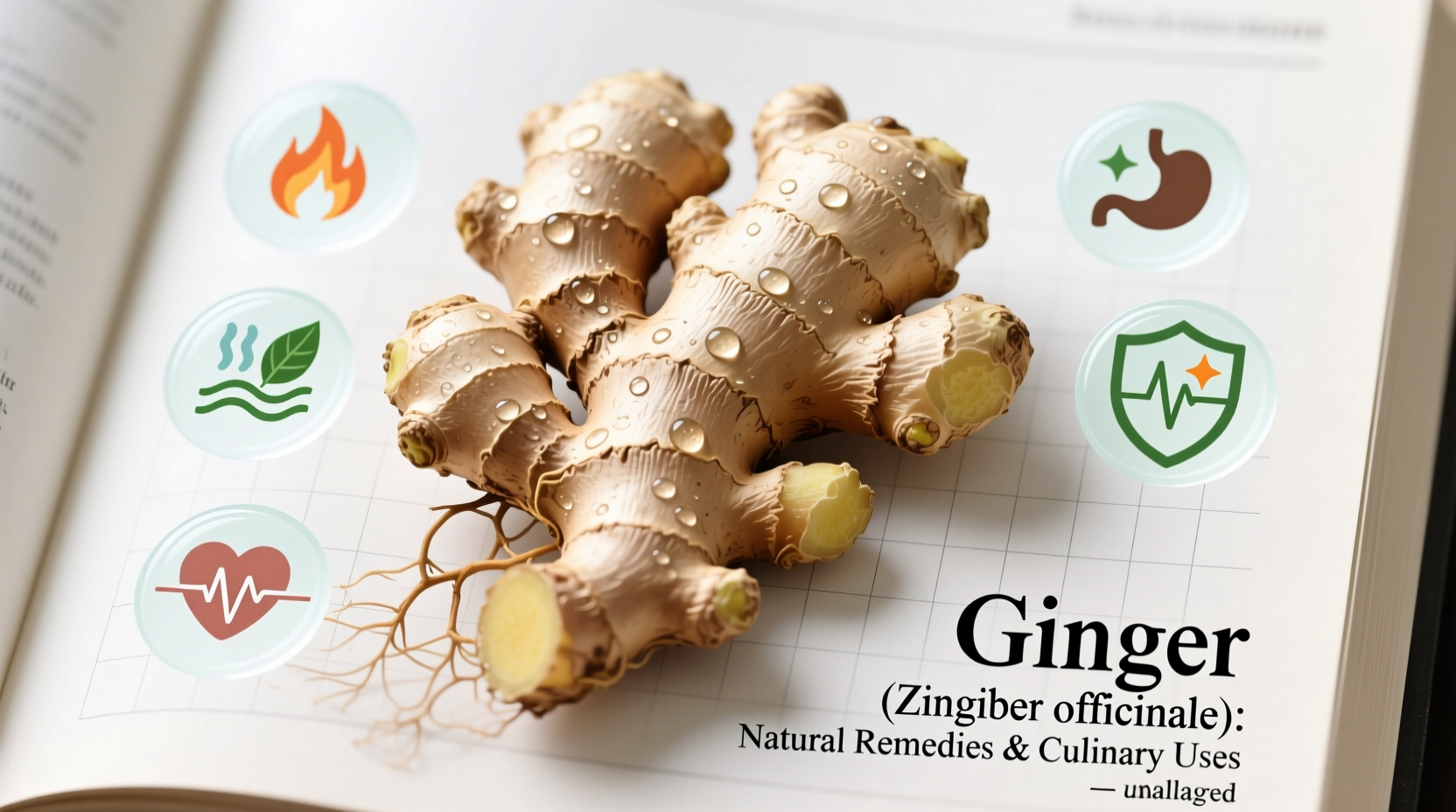
Ginger (Zingiber officinale) is a flowering plant whose rhizome—commonly called ginger root—is used globally as a spice and herbal remedy. Native to Southeast Asia, ginger has been cultivated for over 5,000 years and spread through ancient trade routes to Africa, the Middle East, and the Americas. It belongs to the Zingiberaceae family, which also includes turmeric and cardamom.
In culinary terms, ginger functions as both an aromatic base and a dominant flavor agent depending on preparation and quantity. In traditional medicine systems such as Ayurveda and Traditional Chinese Medicine (TCM), ginger is classified as a warming herb that stimulates circulation, aids digestion, and dispels coldness in the body. Today, its use spans sweet and savory dishes, beverages, supplements, and topical applications, making it one of the most widely consumed functional foods worldwide.
Key Characteristics
| Attribute | Description |
|---|---|
| Flavor Profile | Spicy, warm, slightly sweet with citrusy and peppery notes; fresh ginger has a sharper bite, while dried is more earthy and concentrated. |
| Aroma | Pungent, zesty, with lemony undertones due to volatile oils like zingiberene and citral. |
| Color & Form | Pale yellow to ivory flesh; beige-brown skin when unpeeled. Available fresh, dried, powdered, candied, crystallized, pickled, or as oil/extract. |
| Heat Level | Moderate pungency—not capsaicin-based heat, but a sharp, warming sensation caused by gingerol, the primary bioactive compound. |
| Culinary Function | Flavor enhancer, tenderizer (due to proteolytic enzymes), digestive aid, preservative (antimicrobial properties). |
| Shelf Life | Fresh: up to 3 weeks refrigerated, longer frozen. Dried/powdered: 2–3 years if stored properly. |
Practical Usage: How to Use Ginger in Cooking and Wellness
Ginger’s versatility allows it to play multiple roles in food preparation—from foundational aromatics to finishing accents. The form and amount used dramatically affect the final dish’s character.
Home Cooking Applications
- Sautéed Aromatics: Grate or mince fresh ginger and sauté with garlic and onions at the start of curries, soups, or stir-fries to build depth.
- Infused Liquids: Simmer sliced ginger in water for tea, broth, or poaching liquid. Add lemon and honey for soothing immunity blends.
- Baking: Use ground ginger in spice cookies, pumpkin bread, ginger snaps, or chai-spiced desserts. Combine with cinnamon, cloves, and nutmeg for warmth.
- Marinades: Fresh grated ginger breaks down proteins gently, making it ideal for meat, poultry, and fish marinades—especially in Asian-style recipes.
- Smoothies & Juices: Add a thumb-sized piece of peeled ginger to green juices or fruit smoothies for a metabolic kick and anti-nausea effect.
Professional Culinary Techniques
Chefs leverage ginger not only for flavor but also for texture and balance. In high-end kitchens, precision in ginger usage distinguishes amateur from expert execution.
- Layering Forms: Combine fresh ginger (for brightness) with a pinch of powdered ginger (for depth) in braising liquids or sauces.
- Clarified Infusions: Steep ginger in hot oil or butter, then strain to create a fragrant fat for drizzling or cooking without fibrous bits.
- Acid Balance: Pair ginger with citrus or vinegar to cut richness in fatty dishes—common in Thai and Vietnamese cuisine.
- Temperature Control: Add fresh ginger early for mellowed flavor; late additions preserve its sharpness and volatile aromas.
Pairing Suggestions
Ginger complements a broad range of ingredients. Consider these pairings based on flavor synergy:
- Sweet: Pineapple, mango, coconut, brown sugar, molasses, dark chocolate
- Savory: Garlic, lemongrass, soy sauce, scallions, chili, coriander, sesame oil
- Proteins: Chicken, salmon, shrimp, pork, tofu
- Spices: Turmeric, cumin, cinnamon, star anise, black pepper, cardamom
Tip: For every 1 tablespoon of fresh grated ginger, substitute ¼ teaspoon of ground ginger. Remember: dried ginger is more concentrated and earthier, so adjust other spices accordingly to maintain balance.
Variants & Types of Ginger
Ginger comes in several forms, each suited to specific culinary or medicinal purposes. Understanding their differences ensures optimal use.
1. Fresh Ginger Root
The most common form found in grocery stores. Look for firm, taut skin with no wrinkles or mold. Young ginger (available seasonally) is juicier, less fibrous, and milder—ideal for pickling or eating raw.
2. Ground (Dried) Ginger
Made from dehydrated and milled ginger root. More shelf-stable and convenient for baking and spice blends. Slightly less vibrant in aroma but excellent for even dispersion in dry rubs and doughs.
3. Crystallized / Candied Ginger
Peel-cooked in sugar syrup and coated in granulated sugar. Used in confections, trail mixes, or chopped into baked goods. Offers sweetness with lingering heat.
4. Pickled Ginger (Gari)
Thinly sliced young ginger marinated in rice vinegar, sugar, and salt. Bright pink when made with sushi-grade ginger. Served as a palate cleanser with sushi.
5. Ginger Juice & Extracts
Concentrated liquid forms used in cocktails, tonics, or dietary supplements. Cold-pressed juice retains maximum bioavailability of gingerol.
6. Ginger Oil
Steam-distilled essential oil used sparingly in flavoring or aromatherapy. Not for internal consumption unless certified food-grade and diluted appropriately.
| Form | Best For | Storage Tips |
|---|---|---|
| Fresh | Savory cooking, teas, marinades | Refrigerate in airtight container; wrap in paper towel to absorb moisture |
| Ground | Baking, spice blends, rubs | Store in cool, dark place; check for potency yearly |
| Candied | Desserts, snacks, garnishes | Keep sealed; may crystallize over time—still edible |
| Pickled | Sushi accompaniment, salads | Refrigerate after opening; consume within 6 months |
| Juice/Extract | Tonics, cocktails, supplements | Refrigerate; use within 2–4 weeks (fresh), longer for preserved) |
Comparison with Similar Ingredients
Ginger is often confused with related or similarly flavored ingredients. Knowing the distinctions prevents misuse and enhances authenticity in cooking.
| Ingredient | Differences from Ginger | When to Use Instead |
|---|---|---|
| Galangal | Harder texture, piney, resinous flavor; part of the ginger family but not interchangeable. Common in Thai tom yum soup. | Use only in authentic Southeast Asian recipes calling specifically for galangal. |
| Turmeric | Bitter, earthy, less spicy; imparts intense yellow color. Contains curcumin, not gingerol. | For color and anti-inflammatory benefits, but lacks ginger’s zing. Often paired with ginger. |
| Horseradish | Sharper, sinus-clearing heat derived from glucosinolates, not gingerol. White flesh, stronger odor. | For condiments like cocktail sauce or chrain, not sweet applications. |
| Garlic | Umami-rich, sulfurous aroma; builds savoriness rather than warmth. | Use together—garlic for depth, ginger for lift—but never as substitutes. |
\"Ginger is the cornerstone of balanced flavor in Indian and Southeast Asian kitchens. It doesn’t just add heat—it adds dimension. When paired correctly, it can make a dish feel lighter, brighter, and more digestible.\" — Chef Anjali Rao, Culinary Instructor & Author of *Spice Alchemy*
Practical Tips & FAQs
How much ginger should I use?
A general guideline: 1–2 teaspoons grated fresh ginger per serving for main dishes. Start low and taste—its potency varies by age and origin. For medicinal tea, ½ to 1 inch (about 5–10 grams) steeped in hot water is effective.
Can I eat ginger every day?
Yes, moderate daily consumption (up to 4 grams total, including food and supplements) is considered safe for most adults. This aligns with World Health Organization (WHO) and European Medicines Agency (EMA) guidelines.
Is ginger good for nausea?
Extensively studied and proven effective for pregnancy-related nausea, motion sickness, and postoperative queasiness. A 2022 meta-analysis in *Nutrients* confirmed that 1 gram of ginger significantly reduces nausea severity compared to placebo.
Does cooking destroy ginger’s benefits?
No—while some volatile compounds degrade with prolonged heat, gingerol transforms into shogaol, another potent anti-inflammatory agent, during heating. Cooked ginger remains therapeutically valuable.
How to store fresh ginger?
Do not peel before storing. Cut off only what you need. Wrap unpeeled ginger in a paper towel, place in a resealable bag, and refrigerate for up to 3 weeks. For long-term storage, freeze whole or grated in an ice cube tray with water or oil.
What are signs of spoiled ginger?
Mushy texture, dark spots, mold, or sour smell indicate spoilage. Avoid ginger that oozes liquid or appears translucent—this suggests rot.
Can I substitute ground ginger for fresh?
Only in certain recipes. Use a ¼:1 ratio (ground:fresh). Note that dried ginger lacks the juicy brightness of fresh and works best in baked goods or stews where texture isn’t critical.
Is ginger safe during pregnancy?
Yes, in culinary amounts and up to 1 gram daily as a supplement for morning sickness, under medical guidance. Avoid high-dose supplements in the first trimester unless approved by a healthcare provider.
Quick Tip: Freeze fresh ginger whole—no need to thaw. Grate directly from frozen using a microplane. This preserves flavor and makes prep effortless.
Case Study: Using Ginger to Improve Digestion
A 45-year-old office worker experiencing frequent bloating began drinking a small cup of freshly brewed ginger tea (1-inch slice, crushed, steeped 10 minutes) 20 minutes before lunch and dinner. Within two weeks, self-reported bloating decreased by 70%, and appetite regulation improved. No other dietary changes were made. This mirrors clinical findings that ginger accelerates gastric emptying—critical for those with functional dyspepsia.
Summary & Key Takeaways
Ginger transcends its role as a mere spice. It is a multifunctional ingredient with profound implications for health and culinary excellence. Its active compound, gingerol, provides scientifically supported anti-inflammatory, antioxidant, and antiemetic effects. In the kitchen, it bridges sweet and savory worlds, enhancing complexity without overpowering.
- Ginger is a warming, pungent rhizome used globally in food and medicine.
- Fresh ginger offers bright, spicy notes; dried is earthier and more concentrated.
- It supports digestion, reduces nausea, and may lower muscle pain and inflammation.
- Multiple forms—fresh, dried, candied, pickled—serve distinct purposes in cooking.
- Never confuse ginger with galangal, turmeric, or horseradish—they are not interchangeable.
- Store fresh ginger in the fridge or freezer for maximum longevity and ease of use.
- Daily intake of up to 4 grams is safe for most adults, including pregnant individuals in moderation.
Next time you reach for a remedy or seasoning, consider ginger—not as an afterthought, but as a deliberate act of nourishment. Keep a knob in your freezer, and let its warmth transform both your meals and your well-being.




 浙公网安备
33010002000092号
浙公网安备
33010002000092号 浙B2-20120091-4
Comments
No comments yet. Why don't you start the discussion?