
Curry is not a single dish, nor is it defined by one universal recipe. It is a culinary concept—a symphony of flavor built on a foundation of carefully balanced ingredients that vary widely by region, culture, and tradition. From the coconut-laced curries of Southern Thailand to the yogurt-enriched kormas of Northern India and the fiery Scotch bonnet-infused stews of Jamaica, what ties these dishes together is not uniformity but a shared philosophy: layering depth, complexity, and harmony through specific components. Understanding the key ingredients that define curry allows cooks to move beyond imitation and begin creating authentic, nuanced dishes rooted in cultural context. This guide breaks down those foundational elements—the spices, aromatics, bases, fats, and thickeners—that give curry its identity, offering practical insight for both novice and experienced cooks.
Definition & Overview
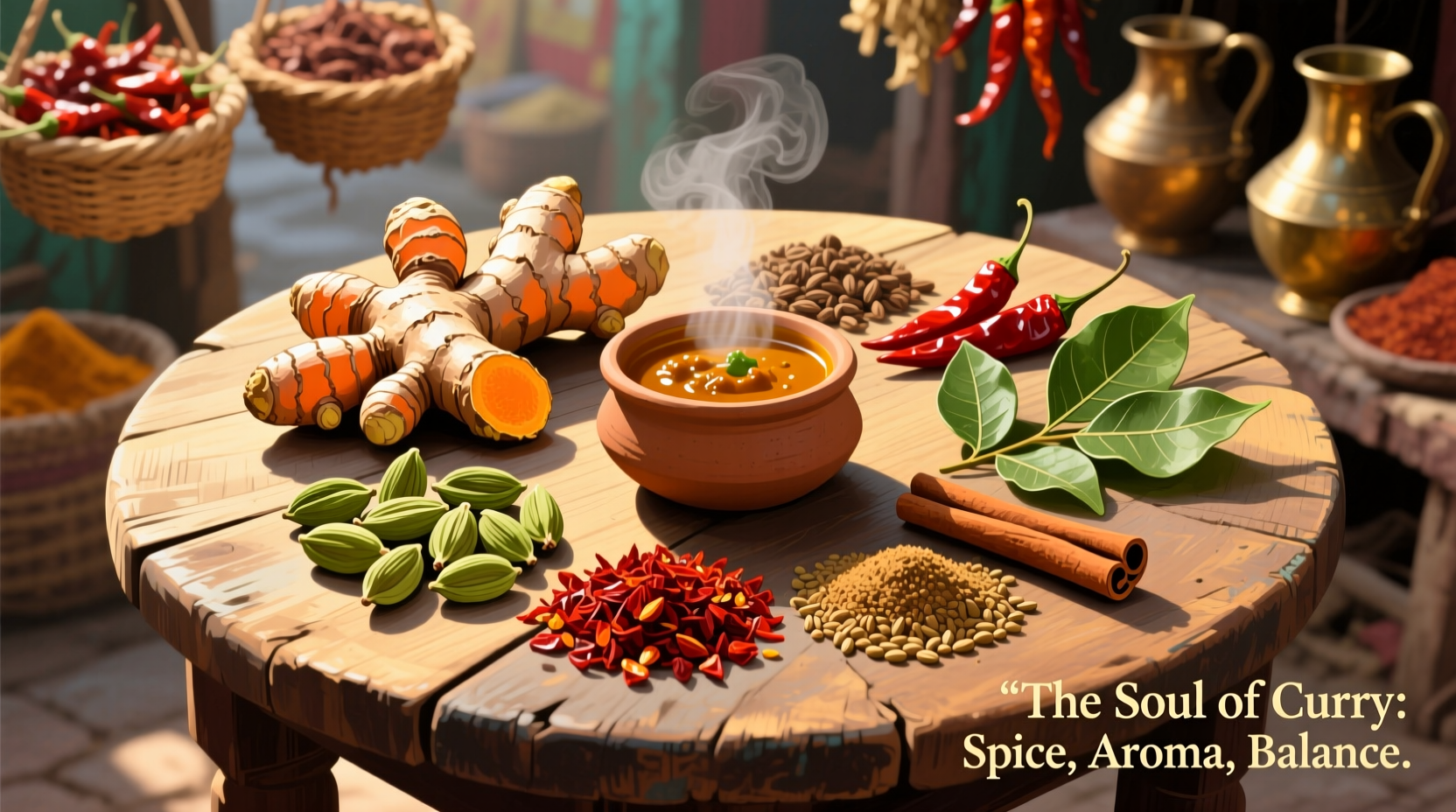
At its core, \"curry\" refers to a category of savory dishes characterized by a seasoned sauce or gravy, typically made with a blend of spices, aromatics, and liquid, often served with rice or flatbreads. The term itself originated from the Tamil word kari, meaning \"sauce\" or \"relish,\" and was popularized during British colonial rule in India. Today, it encompasses an expansive range of preparations across South Asia, Southeast Asia, the Caribbean, Africa, and beyond.
Despite common misconceptions, there is no singular \"curry powder\" or formula that defines all curries. Instead, the essence lies in technique and ingredient synergy. A true curry builds flavor in stages—starting with the blooming of whole spices in fat, followed by the sautéing of aromatics, the incorporation of ground spices, and the slow integration of liquids and proteins or vegetables. Each ingredient plays a distinct role, contributing to the final balance of heat, aroma, richness, and texture.
While regional variations abound, most curries rely on a consistent set of component categories: aromatic vegetables, foundational spices (both whole and ground), flavor enhancers, cooking fats, and thickening agents. Mastery begins with understanding these roles—not memorizing recipes, but learning how each element functions within the system.
Key Characteristics of Curry-Defining Ingredients
The magic of curry lies in how individual ingredients interact. Below is a breakdown of the primary characteristics that distinguish the essential components:
| Ingredient Category | Flavor Profile | Aroma | Color Contribution | Culinary Function | Heat Level (if applicable) |
|---|---|---|---|---|---|
| Aromatics (onion, garlic, ginger, lemongrass) | Sweet, pungent, earthy, citrusy | Potent, sharp, fragrant | Golden-brown when caramelized | Base flavor development | Low to moderate (ginger/lemongrass) |
| Whole Spices (cumin, mustard seeds, cardamom) | Nutty, floral, smoky, warm | Intense when tempered | Minimal direct color; enhances spice blends | Flavor foundation, aroma release | Low to medium |
| Ground Spices (turmeric, coriander, chili) | Bitter-sweet, earthy, warm, pungent | Deeply aromatic when toasted | Yellow (turmeric), red (chili), brown (garam masala) | Color and depth provider | Varies (turmeric: none; chili: high) |
| Liquids (coconut milk, yogurt, stock) | Creamy, tangy, savory | Mild, subtle background notes | White to pale yellow | Moisture, body, temperature control | None (unless spiced) |
| Fats (ghee, oil, coconut oil) | Rich, nutty, clean | Enhances other aromas | Clear to golden | Medium for spice infusion, prevents sticking | None |
| Thickeners (ground nuts, lentils, roux-like pastes) | Nutty, earthy, mild | Subtle | Deepens overall hue | Texture and mouthfeel enhancement | None |
Practical Usage: How These Ingredients Work Together
Creating a well-balanced curry is less about following rigid steps and more about understanding sequence and interaction. The order in which ingredients are introduced determines how their flavors develop and integrate.
- Heat the fat: Begin with a stable cooking fat—ghee, mustard oil, or coconut oil—depending on the regional style. Heat activates volatile compounds in spices.
- Tempt whole spices: Add cumin seeds, mustard seeds, cinnamon, or cardamom pods to hot oil. Listen for the sizzle; watch for the release of fragrance. This step, known as *tadka* or *chaunk*, infuses the oil with deep aroma.
- Sauté aromatics: Add finely chopped onion, garlic, ginger, or lemongrass. Cook slowly until onions turn golden—this builds sweetness and prevents bitterness later.
- Add ground spices: Stir in turmeric, coriander, paprika, or chili powder. Cook for 30–60 seconds to remove rawness and bloom flavors. This prevents graininess and maximizes potency.
- Incorporate main ingredients: Add meat, seafood, legumes, or vegetables. Coat them thoroughly in the spiced base.
- Introduce liquid: Pour in coconut milk, broth, tomato puree, or yogurt. Simmer gently to meld flavors without breaking emulsions (especially important with dairy).
- Finish and rest: Allow the curry to simmer until ingredients are tender and sauce has thickened. Many curries benefit from resting off-heat for 10–15 minutes before serving.
Pro Tip: Never add cold yogurt directly to a boiling curry—it will split. Temper it first by whisking a small amount of hot sauce into the yogurt, then gradually stir it back into the pot.
For restaurant-quality results at home, consider using a mortar and pestle or wet grinder to create fresh pastes instead of relying solely on pre-ground powders. Freshly ground spices retain up to 60% more volatile oils than store-bought versions, significantly enhancing aroma and taste.
Variants & Types: Regional Interpretations of Curry Foundations
While the structural principles of curry remain consistent, regional adaptations reflect local agriculture, trade history, and climate. Here are some major variants and the ingredients that define them:
Indian Curries
- Northern India: Uses ghee, onions, ginger-garlic paste, yogurt, and garam masala. Dishes like butter chicken and rogan josh emphasize creaminess and warmth over heat.
- Southern India: Relies on mustard seeds, curry leaves, tamarind, and coconut. Sambar and rasam showcase tangy, fermented depth with minimal dairy.
- Eastern India (Bengal): Features panch phoron (five-spice blend), poppy seeds, and mustard paste. Fish curries often use mustard oil for sharp pungency.
Southeast Asian Curries
- Thai Red, Green, Yellow Curries: Built on fresh curry pastes made from chilies, lemongrass, galangal, kaffir lime zest, and shrimp paste. Coconut milk provides lush body.
- Malaysian & Indonesian: Use belacan (shrimp paste), turmeric, candlenuts, and tamarind. Rendang, a slow-cooked dry curry, relies on coconut milk reduction and intense spice layering.
Caribbean Curries
- Rooted in Indian indentured labor traditions, Jamaican and Trinidadian curries use allspice (pimento), scotch bonnet peppers, and sometimes tomato sauce. Goat, chicken, and chickpea curries are staples, often served with roti.
Japanese & Global Fusion
- Japanese curry uses roux-based blocks with apple, honey, and soy sauce for sweetness and umami. It’s thicker and milder, often served with rice and tonkatsu.
- In the UK, \"curry\" evolved into Anglo-Indian dishes like chicken tikka masala—tomato-cream based with smoky grilled elements.
| Region | Primary Fat | Signature Aromatic | Key Thickener | Distinguishing Ingredient |
|---|---|---|---|---|
| North India | Ghee | Ginger-Garlic Paste | Yogurt + Cashew Paste | Garam Masala |
| South India | Coconut Oil | Mustard Seeds + Curry Leaves | Ground Lentils (Toor Dal) | Tamarind Juice |
| Thailand | Coconut Oil | Lemongrass + Galangal | Coconut Milk Reduction | Shrimp Paste |
| Jamaica | Vegetable Oil | Scotch Bonnet + Allspice | Tomato Sauce | Green Onions (Scallions) |
| Japan | Butter + Vegetable Oil | Onion + Apple | Wheat Flour Roux | Curry Block (Commercial Blend) |
Comparison with Similar Ingredients
Many ingredients used in curry have close counterparts that are often mistaken for one another. Understanding the differences ensures accurate usage.
Ginger vs. Galangal
- Ginger: Juicy, spicy-sweet, slightly peppery. Common in Indian, Chinese, and Western cooking.
- Galangal: Fibrous, citrusy, pine-like. Essential in Thai curry pastes; cannot be substituted with ginger without altering flavor profile.
Turmeric vs. Saffron
- Turmeric: Earthy, slightly bitter, vibrant yellow. Affordable and widely available. Provides color and subtle warmth.
- Saffron: Floral, honeyed, luxurious. Used in biryanis and rich Mughlai curries. Adds golden-orange hue and delicate aroma. Much more expensive.
Curry Powder vs. Garam Masala
- Curry Powder: A Western invention, typically containing turmeric, coriander, cumin, fenugreek, and chili. Not traditionally used in Indian homes.
- Garam Masala: A finishing spice blend added at the end of cooking. Warms the palate with cinnamon, cardamom, cloves, and black pepper.
Important: While curry powder can work in a pinch, freshly assembled spice blends tailored to a dish yield superior results. Pre-mixed powders lose potency within 3–6 months.
Practical Tips & FAQs
How do I prevent my curry from tasting bitter?
Bitterness usually comes from burnt spices or undercooked onions. Always cook ground spices briefly—no longer than 60 seconds—and ensure onions are softened and lightly caramelized before adding them. If using fenugreek, use sparingly (¼ tsp max); it turns bitter when overused.
Can I make a good curry without meat?
Absolutely. Legumes (chickpeas, lentils), potatoes, eggplant, cauliflower, and paneer are excellent bases. Boost umami with tomato paste, fermented black beans, or mushroom soaking liquid. Simmer longer to develop depth.
What’s the best way to store leftover curry?
Cool completely, then refrigerate in an airtight container for up to 4 days. Most curries improve overnight as flavors meld. Freeze for up to 3 months. Reheat gently over low heat, adding a splash of water or coconut milk if needed.
Are canned curry pastes worth using?
High-quality brands like Maesri (Thai green curry) or Sharwood’s (Madras) can save time and deliver authentic flavor. However, they often contain preservatives and excess salt. Use as a base and enhance with fresh aromatics and herbs.
How can I adjust heat levels safely?
Start with half the recommended chili quantity. Add heat incrementally. Balance excessive spice with acid (lime juice), sweetness (coconut milk, sugar), or dairy (yogurt). Never serve a burning-hot curry without offering cooling sides like raita or pickled onions.
Expert Insight: “In Kerala, we say a curry should ‘sing’—not scream with heat, but dance with layers. Start with the rhythm of tempering, build the melody with spice, and finish with harmony from coconut and curry leaves.” — Chef Anjali Pathak, Culinary Instructor, Kochi
Summary & Key Takeaways
Curry is not defined by a single ingredient but by the intelligent combination of several core components working in concert. The foundation rests on:
- Aromatic bases (onion, garlic, ginger, lemongrass) that provide structure and sweetness.
- Whole and ground spices that deliver complexity, color, and warmth.
- Fats (ghee, oil, coconut milk) that carry flavor and enable proper spice blooming.
- Liquids that unify the dish and regulate consistency.
- Thickeners and enrichers that elevate texture and mouthfeel.
Regional diversity reflects adaptation to local ingredients, yet the underlying principles remain consistent: patience in building layers, respect for timing, and attention to balance. Whether preparing a fiery vindaloo or a soothing massaman, success lies not in rigid adherence to recipes but in understanding the function of each ingredient.
To master curry is to think like a composer—knowing when to highlight a note, when to let flavors rest, and how to bring everything into harmony. With this knowledge, home cooks can confidently experiment, adapt, and create dishes that honor tradition while expressing personal taste.
Now that you know the building blocks, what kind of curry will you create tonight?




 浙公网安备
33010002000092号
浙公网安备
33010002000092号 浙B2-20120091-4
Comments
No comments yet. Why don't you start the discussion?