
In the final moments of HBO’s adaptation of The Last of Us, a seismic shift occurs in the story’s trajectory: Joel is brutally killed by Abby, a character whose father Joel had murdered years earlier in an act of vengeance. This moment shocked fans—not only because it defied expectations but also because it marked the end of a protagonist many viewers had deeply connected with. While some saw it as a betrayal, others recognized it as a bold narrative choice rooted in themes of consequence, morality, and the cyclical nature of violence. Understanding why the creators chose to kill Joel requires examining character arcs, storytelling philosophy, and the broader message of the series.
The Narrative Necessity of Consequences
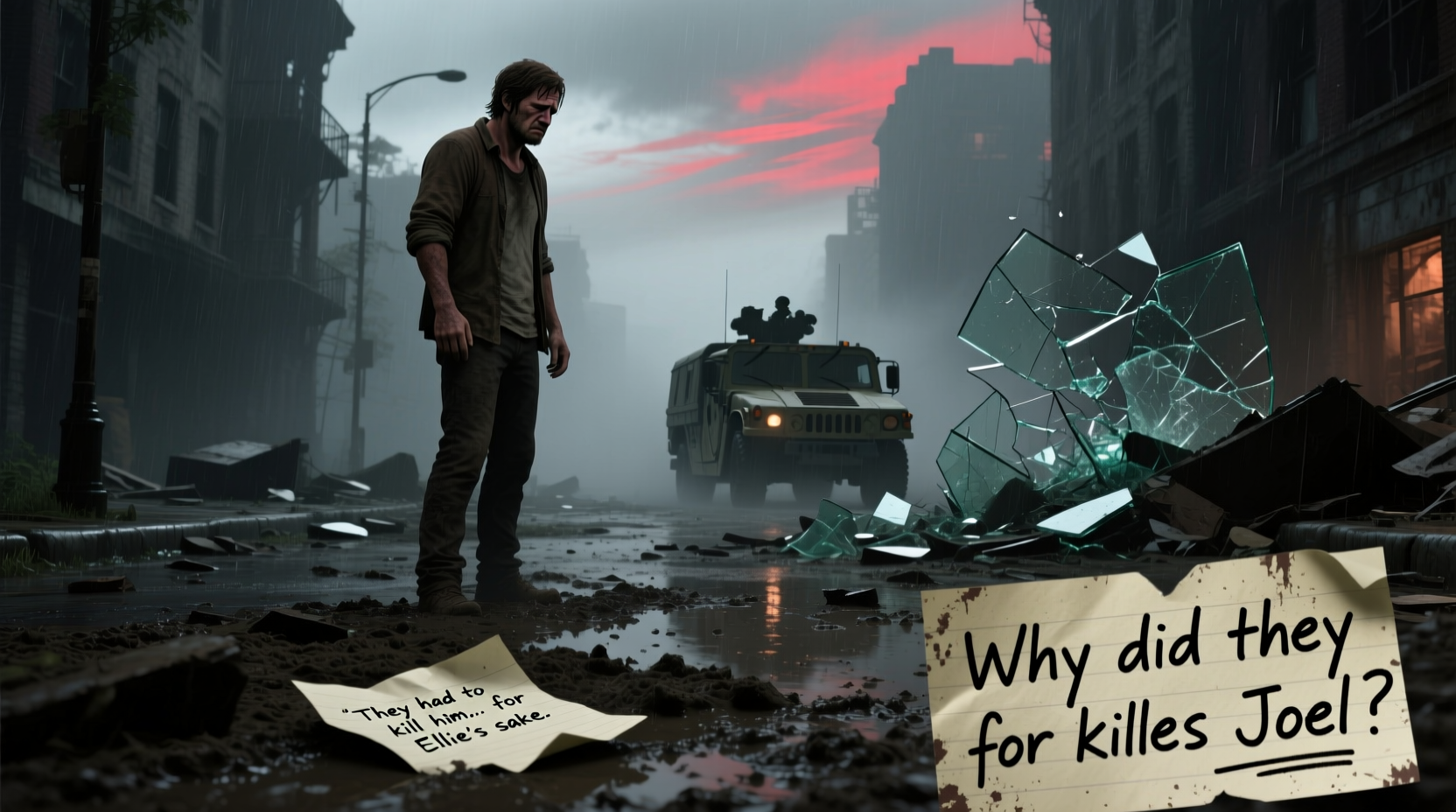
At its core, The Last of Us has always been a story about cause and effect. Every action carries weight, and no decision exists in a vacuum. From the very beginning—Joel’s loss of his daughter Sarah during the initial outbreak—his journey is shaped by trauma and the desperate need to reclaim control over a world that has taken everything from him.
When Joel saves Ellie at the cost of the Fireflies’ potential cure, he makes a morally ambiguous choice. He prioritizes personal love over global responsibility. In doing so, he becomes both hero and villain depending on perspective. Killing Joel later in the story serves as a direct consequence of that earlier act. It closes the loop on a cycle of violence initiated when Joel murdered Marlene and slaughtered multiple Firefly doctors to rescue Ellie.
Thematic Resonance: The Cost of Love and Survival
One of the central themes of The Last of Us is the tension between survival and humanity. Can you remain human while doing inhumane things to survive? Joel repeatedly crosses ethical lines “for the greater good” of protecting those he loves. But the story challenges whether such justifications hold up over time.
By allowing Joel to live happily after his massacre at the hospital—without accountability—the narrative risks endorsing vigilantism and emotional selfishness. His death forces the audience to confront the reality that actions have repercussions. Love may be powerful, but it doesn’t erase harm done to others.
“We wanted to show that there are consequences for what Joel did. You can't just walk away from killing a bunch of people—even if your intentions were personal.” — Craig Mazin, co-creator of HBO’s *The Last of Us*
Character Arc Closure: Joel’s Redemption Was Never Guaranteed
Unlike traditional heroes who earn redemption through growth or sacrifice, Joel remains largely unchanged in his core beliefs. He never fully atones for his past; instead, he builds a new life atop the wreckage of old choices. This makes his arc tragic rather than redemptive.
Killing Joel doesn’t negate the bond he formed with Ellie—it underscores its complexity. Their relationship was real and meaningful, yet built on a foundation of lies and bloodshed. His death prevents the story from romanticizing toxic protectiveness. It asks: Can love justify murder? And if so, at what cost?
Furthermore, Joel’s death allows Ellie’s arc to take center stage. Without Joel, she must confront her own complicity in his actions and decide whether revenge defines her—or whether she can break the cycle.
A Closer Look: The Timeline of Key Events Leading to Joel’s Death
- 2003: Joel loses Sarah during the Cordyceps outbreak, hardening him emotionally.
- 2023: Joel kills Marlene and Firefly surgeons to save Ellie, lying to her about the mission’s outcome.
- 2023–2033: Joel raises Ellie in Jackson, shielding her from the truth and fostering deep attachment.
- 2033: Abby finds Joel and tortures him before killing him in retaliation for her father’s death.
- Post-Joel: Ellie begins a path of vengeance, ultimately choosing not to kill Abby, symbolizing a break from Joel’s legacy.
Abby’s Perspective: Justice, Not Just Vengeance
Early in the series, Abby appears solely as a brutal antagonist. However, once the narrative shifts to her point of view, her motivations become clear. Her father was a surgeon trying to save humanity. He was executed by Joel—not in combat, but in cold blood—while under medical restraints.
From Abby’s standpoint, Joel isn’t a loving father figure—he’s a murderer who destroyed her family and stole her future. Her killing of Joel isn’t senseless violence; it’s a culmination of grief, trauma, and a desire for justice. The show deliberately humanizes Abby to challenge viewers’ loyalties and force them to question their allegiance to Joel.
| Character | Motivation | Action Taken |
|---|---|---|
| Joel | To protect Ellie at all costs | Kills Fireflies, including Marlene |
| Abby | To avenge her father’s murder | Finds and kills Joel |
| Ellie | To understand the truth and seek closure | Confronts Abby but chooses not to kill her |
Why Fans Reacted So Strongly
The backlash following Joel’s death wasn’t just about losing a beloved character—it reflected deeper expectations about storytelling in modern media. Audiences have grown accustomed to protagonists surviving against all odds, especially ones as charismatic and well-developed as Joel.
Moreover, Pedro Pascal’s portrayal added layers of warmth and vulnerability that made Joel more sympathetic than in the original game. This performance amplified emotional investment, making his death feel even more jarring.
Yet, this discomfort is precisely what makes the choice effective. As Neil Druckmann, co-creator of the original game and series, explained:
“If we didn’t let Joel die, we would’ve been telling the audience that love conquers all, no matter the cost. But the real question is: What does that cost look like for everyone else?” — Neil Druckmann, Creative Director, Naughty Dog
FAQ: Common Questions About Joel’s Death
Was Joel’s death inevitable in the story?
Yes, in both the original video game and the HBO adaptation, Joel’s death serves as a pivotal turning point. While shocking, it was always part of the planned narrative arc, designed to propel Ellie into her own journey of reckoning.
Does Joel deserve to die for saving Ellie?
This is intentionally left ambiguous. The story doesn’t present Joel as purely evil nor purely heroic. It invites viewers to grapple with moral complexity: saving one life versus potentially sacrificing millions. Whether he “deserved” to die depends on individual values—justice, mercy, or familial loyalty.
Will Joel return in future seasons?
Given the definitive nature of his death and the narrative purpose it serves, it’s highly unlikely Joel will return in a physical form. However, his influence will continue to shape Ellie’s decisions and internal conflict in upcoming seasons.
Conclusion: A Story That Refuses Easy Answers
The decision to kill Joel wasn’t made for shock value—it was a deliberate, thematically rich conclusion to a character whose actions could not go unpunished without undermining the entire message of The Last of Us. The series dares to suggest that love, while powerful, doesn’t absolve wrongdoing. That survival often comes at a price. And that healing sometimes means breaking free from the people who shaped us most.
Joel’s death transforms the story from a tale of paternal protection into a meditation on legacy, forgiveness, and the possibility of change. It challenges audiences to move beyond hero worship and engage with uncomfortable truths about violence, accountability, and the cost of moving forward.




 浙公网安备
33010002000092号
浙公网安备
33010002000092号 浙B2-20120091-4
Comments
No comments yet. Why don't you start the discussion?