
Thyme is more than just a kitchen staple—it’s a plant steeped in history, botany, and cultural significance. From ancient medicinal remedies to modern gastronomy, this small-leaved herb has played a pivotal role across civilizations. Understanding its origin and botanical structure reveals why thyme remains indispensable in both traditional and contemporary cooking. For home cooks and culinary professionals alike, knowing where thyme comes from—literally and historically—enhances not only flavor precision but also appreciation for one of the most resilient and aromatic members of the Lamiaceae family.
Definition & Overview
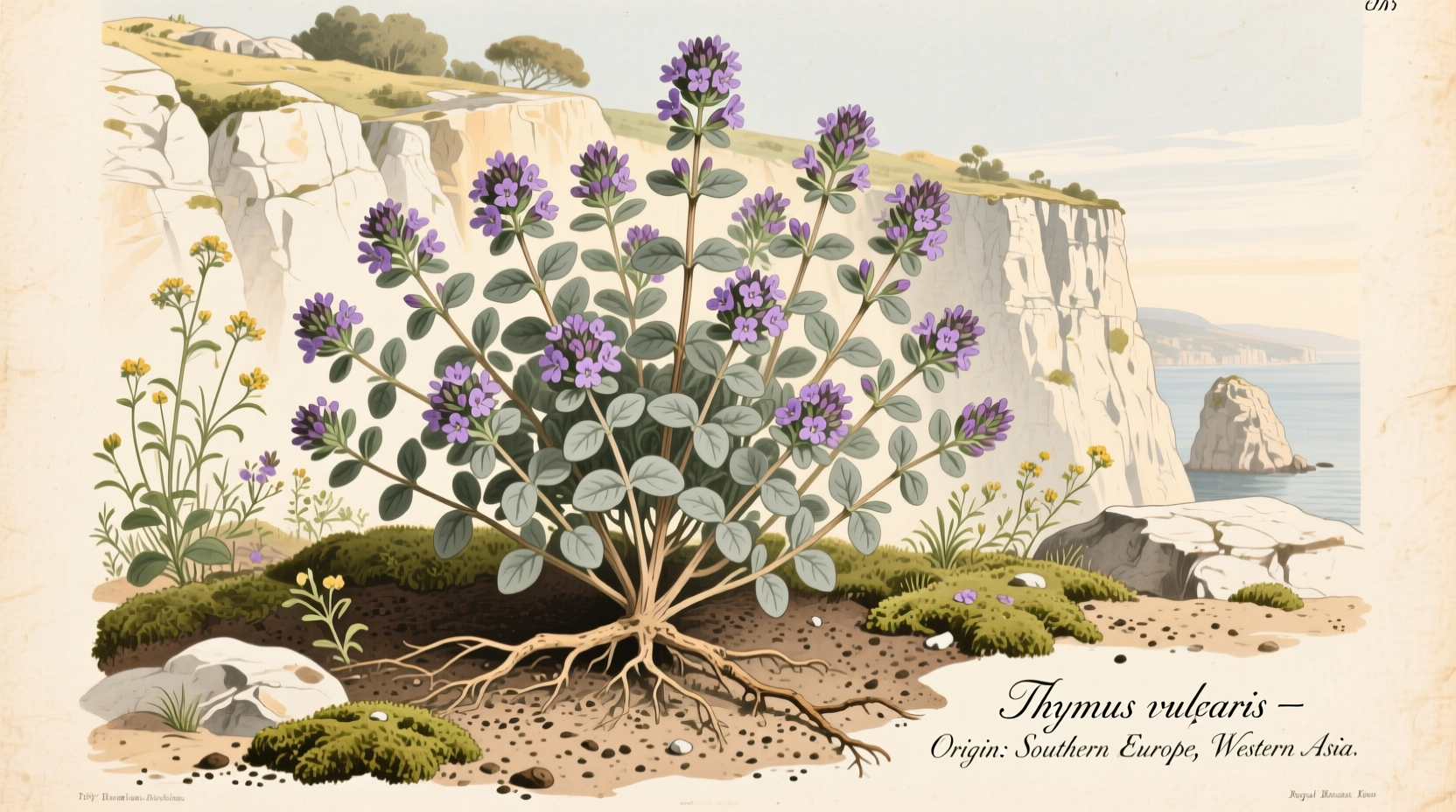
Thyme (Thymus vulgaris) is a perennial subshrub native to the Mediterranean region, widely cultivated for its fragrant leaves used in cooking, medicine, and aromatherapy. It belongs to the genus Thymus, which includes over 300 species, though T. vulgaris is the most commonly used in culinary contexts. The plant typically grows as a low, woody shrub with tiny, oval-shaped leaves and produces small pink or white flowers during summer months.
Botanically, thyme is classified under the mint family (Lamiaceae), sharing characteristics such as square stems, opposite leaf arrangement, and essential oil-rich foliage. Its primary active compound, thymol, contributes significantly to its antiseptic properties and distinctive earthy-pungent aroma. Historically, thyme was revered by Egyptians for embalming and by Greeks as a symbol of courage, often burned as temple incense. In medieval Europe, it was placed beneath pillows to ward off nightmares and given to knights before battle.
Today, thyme is globally recognized as a foundational herb in French, Italian, North African, and Middle Eastern cuisines. Whether fresh or dried, it imparts depth to stocks, stews, roasted meats, legumes, and vegetable dishes. Its versatility extends beyond savory applications into herbal teas and natural preservatives due to its antioxidant qualities.
Key Characteristics
| Attribute | Description |
|---|---|
| Scientific Name | Thymus vulgaris |
| Family | Lamiaceae (mint family) |
| Origin Region | Mediterranean Basin (Southern Europe, North Africa) |
| Flavor Profile | Earthy, slightly minty, with camphorous and lemony undertones; warm and aromatic |
| Aroma | Potent, herbal, balsamic—intensifies when crushed |
| Leaf Form | Small, narrow, gray-green leaves on woody stems |
| Heat Level | None (non-spicy); adds aromatic warmth, not capsaicin heat |
| Culinary Function | Base flavoring agent, bouquet garni component, seasoning for slow-cooked dishes |
| Shelf Life (Dried) | 1–3 years if stored properly in airtight container away from light and moisture |
| Shelf Life (Fresh) | Up to 2 weeks refrigerated in damp paper towel within sealed bag |
Practical Usage: How to Use Thyme in Cooking
Thyme’s robust flavor holds up well under prolonged heat, making it ideal for slow-simmered preparations. Unlike delicate herbs like basil or cilantro, which lose potency when cooked, thyme releases its essential oils gradually, enhancing complexity over time. When using fresh thyme, strip the leaves from the stem by running your fingers downward along the woody stalk. Whole sprigs can be added to soups, braises, or roasts and removed before serving.
In classic French cuisine, thyme is a key element of bouquet garni—a tied bundle of herbs (often including bay leaf and parsley) used to infuse flavor into stocks, broths, and coq au vin. A typical ratio calls for 1–2 sprigs per quart of liquid. For dry rubs or spice blends like herbes de Provence, ground dried thyme integrates seamlessly with rosemary, marjoram, and lavender.
When substituting between fresh and dried forms, use a 3:1 ratio—1 tablespoon of fresh thyme equals approximately 1 teaspoon of dried. Because drying concentrates certain volatile compounds while diminishing others, dried thyme tends to be more pungent but less nuanced than its fresh counterpart.
Pro Tip: Bloom dried thyme in warm oil before adding liquids to unlock deeper flavor. Heat helps release thymol and carvacrol, amplifying its savory impact in sauces, beans, or rice dishes.
Thyme pairs exceptionally well with garlic, onions, tomatoes, poultry, lamb, mushrooms, potatoes, citrus zest, and olives. It complements creamy ingredients like butter and cream without overpowering them. In Moroccan tagines, it enhances preserved lemons and olives; in Italian soffritto, it supports tomato-based sauces. Even in sweet applications—such as honey-glazed carrots or thyme-infused simple syrup for cocktails—it adds an unexpected layer of sophistication.
Variants & Types of Thyme
While common garden thyme dominates supermarket shelves, numerous cultivars offer unique sensory profiles suited to specific culinary or ornamental purposes. Selecting the right type depends on intended use, growing conditions, and desired aroma intensity.
- Common Thyme / Garden Thyme (Thymus vulgaris) – The standard culinary variety with strong, earthy flavor. Ideal for roasting, stewing, and seasoning meats.
- Lemon Thyme (Thymus × citriodorus) – A hybrid with pronounced citrus notes due to high geraniol content. Excellent in seafood dishes, dressings, and herbal butters.
- Caraway Thyme (Thymus herba-barona) – Features a distinct caraway-like aroma. Best paired with pork, root vegetables, or in bread dough.
- Woolly Thyme (Thymus pseudolanuginosus) – Soft, fuzzy foliage; primarily ornamental, not recommended for consumption.
- Creeeping Thyme (Thymus serpyllum) – Also known as wild thyme; smaller leaves, milder taste. Used in teas or as ground cover in gardens.
- Silver Thyme (Thymus vulgaris 'Argenteus') – Variegated leaves with silvery edges; slightly less hardy but visually striking. Flavor similar to common thyme.
| Type | Best Use Case | Flavor Intensity | Edible? |
|---|---|---|---|
| Common Thyme | General cooking, stocks, roasting | ★★★★☆ | Yes |
| Lemon Thyme | Fish, poultry, desserts, syrups | ★★★☆☆ | Yes |
| Caraway Thyme | Pork, sausages, breads | ★★★★☆ | Yes |
| Woolly Thyme | Ornamental landscaping | N/A | No |
| Creeeping Thyme | Teas, garnishes, mild seasoning | ★★☆☆☆ | Yes |
| Silver Thyme | Visual appeal in dishes, light seasoning | ★★★☆☆ | Yes |
Comparison with Similar Ingredients
Thyme is often confused with other herbs due to overlapping flavor notes or visual similarities. Clarifying distinctions ensures accurate usage and prevents dish imbalance.
- Oregano – Both are Mediterranean herbs with pungency, but oregano is sharper, more peppery, and dominant in Greek and Mexican cuisines. Thyme is subtler and better suited for layered flavor building.
- Marjoram – Closely related (same family), but sweeter and milder. Often substituted in herbes de Provence, but lacks thyme’s camphoraceous backbone.
- Rosemary – More resinous and pine-like. Overuse easily overwhelms; thyme integrates more harmoniously in mixed herb blends.
- Savory (Summer & Winter) – Sometimes called “poor man’s thyme,” savory has a peppery bite and bean-friendly profile. Less floral than thyme but functionally similar in legume dishes.
“Thyme doesn’t shout—it lingers. It’s the quiet architect of flavor in a dish, working behind the scenes to bind ingredients together.” — Chef Élise Moreau, Le Cordon Bleu Instructor
Practical Tips & FAQs
Can I grow thyme at home?
Yes. Thyme thrives in well-drained soil with full sun exposure. It is drought-tolerant and suitable for containers or rock gardens. Indoors, place near a south-facing window and avoid overwatering. Harvest by snipping top growth regularly to encourage bushiness.
How do I store fresh thyme?
Wrap loosely in a slightly damp paper towel and place inside a resealable plastic bag in the refrigerator crisper drawer. Alternatively, freeze whole sprigs in olive oil using ice cube trays for future use in soups and sauces.
Is dried thyme as good as fresh?
Dried thyme retains much of its flavor but loses some of the bright, grassy nuances found in fresh leaves. Use dried for long-cooking dishes and fresh for finishing touches or raw applications like vinaigrettes.
What dishes absolutely require thyme?
Classic recipes that rely on thyme include:
- Bouillabaisse (Provençal fish stew)
- Beef Bourguignon
- Chicken Francese
- Black-Eyed Peas with Ham Hock
- Herbes de Provence blend
- Tomato Basil Soup (with bay and thyme)
Are there health benefits to consuming thyme?
Thyme contains antioxidants, flavonoids, and antimicrobial compounds like thymol, historically used to treat respiratory ailments. While not a substitute for medical treatment, regular inclusion in the diet may support immune function and reduce oxidative stress.
Can I substitute thyme with another herb?
In a pinch, marjoram (1:1 ratio) or oregano (½ amount due to stronger flavor) can replace thyme. For lemon thyme, combine regular thyme with a drop of lemon zest. Avoid using rosemary as a direct substitute unless carefully measured.
Storage Checklist:
- Dry thyme in a dark cupboard, away from stove heat
- Label jars with purchase date
- Grind only what you need—whole leaves preserve oils longer
- Test potency by crushing a leaf and smelling—faint aroma indicates degradation
Summary & Key Takeaways
Thyme’s journey from rocky Mediterranean slopes to global kitchen pantries underscores its enduring value. As a botanical entity, Thymus vulgaris exemplifies resilience, fragrance, and utility. Its classification within the Lamiaceae family explains shared traits with mint, rosemary, and sage, yet its unique chemical composition—especially thymol—sets it apart as both a culinary enhancer and natural preservative.
Understanding thyme begins with recognizing its origins: sun-drenched hillsides of Southern Europe, where centuries of cultivation refined its most useful varieties. From there, practical knowledge about form, flavor release, and compatibility allows precise application in everyday cooking. Whether deploying common thyme in a beef stew or brightening shellfish with lemon thyme, the cook wields a tool shaped by evolution and human tradition.
Among all herbs, few offer the balance of durability, subtlety, and depth that thyme provides. By mastering its variants, storage needs, and pairings, home chefs elevate their dishes from ordinary to authentically seasoned. In preserving thyme properly and choosing the right type for each recipe, they honor a legacy that spans empires, apothecaries, and dining tables worldwide.
Final Thought: Keep a small pot of thyme on your windowsill. Snipping a fresh sprig mid-recipe connects you directly to the plant’s living essence—an act both practical and profoundly grounding in modern cooking.




 浙公网安备
33010002000092号
浙公网安备
33010002000092号 浙B2-20120091-4
Comments
No comments yet. Why don't you start the discussion?