
Turmeric is more than a golden-hued kitchen staple—it is a botanical marvel with deep cultural, medicinal, and culinary roots stretching back thousands of years. Understanding where turmeric comes from—its geographic origin, botanical lineage, and historical trajectory—reveals not only how it became a cornerstone of South Asian cuisine but also why it now commands attention in global wellness and food science communities. For home cooks, health-conscious eaters, and culinary professionals alike, knowing the true source of turmeric enhances both appreciation and application. This article traces turmeric from its wild ancestors in tropical Asia to today’s cultivated fields, unpacking its journey through trade, tradition, and scientific inquiry.
Definition & Overview
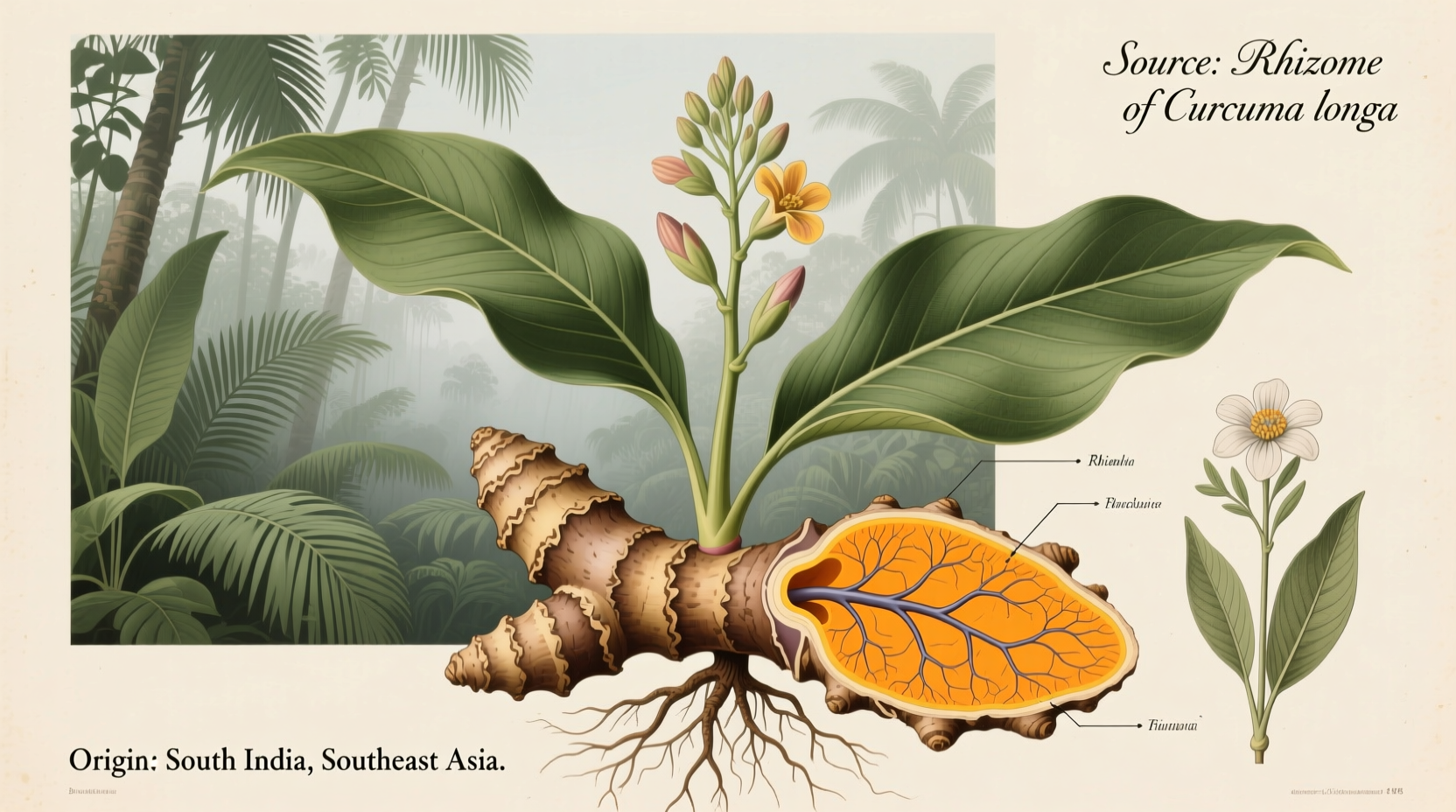
Turmeric (Curcuma longa) is a flowering plant in the ginger family, Zingiberaceae. It is native to Southeast Asia and primarily cultivated for its rhizomes—underground stems that are boiled, dried, and ground into the vibrant yellow-orange powder known worldwide as turmeric spice. Unlike seeds or fruits, the usable part of turmeric grows beneath the soil, resembling gnarled fingers of ginger but with a deeper ochre interior.
The plant thrives in warm, humid climates with well-drained soil and ample rainfall, conditions found abundantly across India, Indonesia, and parts of Central and South America where it is now grown commercially. While most recognized for its role in curry powders and rice dishes, turmeric has been used for millennia in Ayurvedic medicine, religious rituals, textile dyeing, and even skincare.
Its active compound, curcumin, imparts both color and bioactive properties, making turmeric one of the most studied natural substances in modern phytochemistry. However, the story of turmeric begins long before laboratories began isolating molecules—it starts in the forests and farms of ancient tropical Asia.
Key Characteristics
| Attribute | Description |
|---|---|
| Botanical Name | Curcuma longa |
| Family | Zingiberaceae (Ginger family) |
| Origin Region | South and Southeast Asia (likely Northeast India/Myanmar region) |
| Flavor Profile | Earthy, slightly bitter, peppery, with subtle notes of orange and ginger |
| Aroma | Warm, musky, mildly pungent when fresh; more aromatic when dried |
| Color | Vibrant golden-yellow (due to curcuminoids) |
| Culinary Function | Colorant, flavor enhancer, preservative, anti-inflammatory agent |
| Shelf Life (dried powder) | 2–3 years if stored properly in dark, cool, dry conditions |
| Heat Level | Non-pungent (no capsaicin-like heat); mild warmth on palate |
Historical Origins and Geographic Roots
Archaeological and linguistic evidence places the domestication of turmeric in the Indian subcontinent over 4,000 years ago. Residue analysis from ancient pottery in New Delhi revealed traces of curcumin dating back to 2500 BCE, suggesting early use as both food and pigment. Sanskrit texts from the Vedic period (1500–500 BCE) refer to turmeric as *haridra*, praising its purifying qualities in ritual and healing.
The likely center of origin lies in the monsoon-rich belt spanning northeastern India, Myanmar, and western Thailand—a biodiversity hotspot for Zingiberaceae species. Wild relatives such as Curcuma aromatica and Curcuma caesia still grow in these regions, supporting genetic studies that trace cultivated turmeric’s ancestry to this area.
From India, turmeric spread along maritime and overland trade routes. By 500 BCE, it had reached China via the Silk Road. Arab traders introduced it to East Africa and the Middle East by the 8th century CE. When Portuguese explorers arrived in India during the 15th century, they documented turmeric as “Indian saffron,” attempting to market it as a cheaper alternative to the prized red spice.
Despite its widespread adoption, India remains the largest producer, consumer, and exporter of turmeric globally. States like Tamil Nadu, Telangana, Andhra Pradesh, and Odisha account for over 80% of Indian production, with Erode, Tamil Nadu, hosting one of the world’s largest turmeric markets.
Botanical Structure and Cultivation Cycle
Curcuma longa is a perennial herb that grows up to one meter tall, producing lance-shaped leaves and pale yellow flowers tucked within cone-like bracts. But the valuable part—the rhizome—develops underground over an 8–10 month growing cycle.
Farmers propagate turmeric vegetatively using healthy rhizome segments, typically planted at the onset of the rainy season. The crop requires:
- Temperatures between 20°C and 35°C (68°F–95°F)
- Annual rainfall of 1500–2500 mm or access to irrigation
- Loamy, well-drained soil with high organic content
- Shade during peak sun exposure
After harvesting, raw rhizomes undergo processing to improve shelf life and color intensity. This involves boiling for 45–60 minutes, draining, and sun-drying for 10–15 days until moisture drops below 10%. Dried rhizomes are then milled into fine powder.
Expert Tip: Boiling the rhizomes deactivates enzymes that cause spoilage and enhances curcumin solubility. Skipping this step results in darker, less stable product prone to mold and fading.
Variants & Types of Turmeric
While all culinary turmeric derives from Curcuma longa, regional cultivars vary significantly in curcumin content, color strength, and aroma. These differences influence their use in cooking, medicine, and industry.
Common Cultivars and Regional Varieties
- Alleppey Finger (India): High curcumin (6–7%), bright red-yellow hue; ideal for export and coloring foods.
- Erode Turmeric (Tamil Nadu): Known for purity and strong aroma; often certified under Geographical Indication (GI) tags.
- Nizamabad Bulb (Telangana): Larger rhizomes, moderate curcumin (4–5%), widely used domestically.
- Madagascar Turmeric: Earthier flavor, lower curcumin; popular in European herbal blends.
- Javanese Turmeric (Indonesia): Milder taste, often blended with other spices in traditional pastes.
Different Forms Available to Consumers
| Form | Description | Best Uses |
|---|---|---|
| Fresh Rhizomes | Raw, unprocessed turmeric root; looks like pale ginger | Grated into juices, curries, pickles; excellent for medicinal tonics |
| Dried Powder | Most common form; convenient but loses potency over time | Curry blends, soups, rice, baked goods |
| Extracts & Supplements | Standardized for curcumin content (often 95%) | Dietary supplements, clinical applications |
| Essential Oil | Steam-distilled volatile compounds from rhizomes | Aromatherapy, topical formulations, flavoring agents |
| Liquid Concentrate | Water or alcohol-based solutions of curcumin | Smoothies, shots, functional beverages |
Pro Tip: Fresh turmeric stains less than powder because it contains fewer free curcumin particles. Wear gloves when handling either form, and clean surfaces immediately with vinegar or lemon juice to prevent yellowing.
Comparison with Similar Ingredients
Turmeric is frequently confused with other yellow-colored spices due to visual similarity. Understanding distinctions ensures correct usage in recipes and avoids flavor imbalances.
| Ingredient | Key Differences from Turmeric |
|---|---|
| Saffron | Derived from crocus flower stigmas; extremely expensive; floral, honeyed flavor; threads turn liquid gold-red. Turmeric mimics saffron’s color but lacks its delicate aroma. |
| Annatto (Achiote) | Seed-derived; imparts orange-red hue; nutty, slightly sweet taste; used in Latin American and Filipino cuisines. Lacks turmeric’s earthiness and medicinal profile. |
| Mustard Powder | Made from ground mustard seeds; pungent, sharp, sinus-clearing heat; turns yellow when wet but does not provide the same depth of color or antioxidant benefits. |
| Paprika | Ground bell or chili peppers; ranges from sweet to hot; red-orange color; adds sweetness and smoke, not earthiness. |
“Turmeric isn’t just a spice—it’s a cultural artifact. Every gram carries the weight of ritual, healing, and daily nourishment across generations.” — Dr. Meera Patel, Ethnobotanist, University of Kerala
Practical Usage in Cooking and Beyond
In the kitchen, turmeric functions as much more than a colorant. It contributes subtle complexity to savory dishes and interacts synergistically with fats and other spices.
How to Use Turmeric Effectively
- Activate with Fat: Curcumin is fat-soluble. Always cook turmeric in oil, ghee, or coconut milk to enhance absorption.
- Add Early in Cooking: Introduce powdered turmeric at the beginning of sautéing onions or aromatics to mellow bitterness and deepen flavor integration.
- Pair with Black Pepper: Piperine in black pepper increases curcumin bioavailability by up to 2,000%. A pinch makes a measurable difference.
- Balance Bitterness: Counteract turmeric’s slight bitterness with sweetness (e.g., carrots, onions, coconut) or acidity (lemon juice, tamarind).
- Use Fresh for Brightness: Grate fresh turmeric into dressings, smoothies, or fish marinades for a cleaner, zesty note.
Classic Applications by Cuisine
- Indian: Base ingredient in curry powders, dals, biryanis, and pickles. Used in tempering (tadka) for instant flavor release.
- Thai: Key component in yellow curry paste, often combined with lemongrass, galangal, and shrimp paste.
- Iranian: Added to rice dishes like jeweled pilaf for color and mild warmth.
- Caribbean: Found in callaloo and meat rubs, especially in Trinidadian and Jamaican cooking.
- Modern Western: Featured in \"golden milk,\" turmeric lattes, roasted vegetables, and grain bowls.
Professional Techniques
In restaurant kitchens, chefs often toast whole turmeric rhizomes lightly before grinding them in-house for superior aroma. Some create infused oils by simmering dried turmeric in neutral oil with bay leaf and black pepper to maximize extraction.
Pastry chefs use small amounts (¼–½ tsp per batch) to tint shortbread, cakes, or custards without overwhelming flavor—ideal for holiday-themed desserts or vegan egg substitutes in baking.
Chef’s Note: Never add turmeric directly to cold liquids—it will clump. Bloom it first in warm fat or mix with a small amount of warm water to form a slurry before blending into soups or sauces.
Storage, Shelf Life, and Substitutions
Q1: How should I store turmeric?
A1: Keep dried turmeric powder in an airtight container away from light, heat, and moisture. A dark glass jar in a cool pantry preserves potency for up to three years. Fresh rhizomes can be refrigerated in a paper bag for 2–3 weeks or frozen whole for up to six months.
Q2: How do I know if my turmeric has gone bad?
A2: Expired turmeric loses its vibrant color and develops a musty odor. If it smells stale or fails to stain your finger upon contact, replace it. Clumping alone doesn't indicate spoilage unless accompanied by mold or off-smells.
Q3: What are good substitutes for turmeric?
A3: No single substitute replicates both flavor and color, but options include:
- For color only: Annatto, safflower, or food-grade yellow dye
- For mild earthiness: Ground cumin (use half the amount—cumin is stronger)
- For fresh applications: Grated ginger + pinch of paprika for hue
Q4: Is there such a thing as too much turmeric?
A4: Yes. Excessive intake (over 8 grams daily of supplemental curcumin) may cause gastrointestinal discomfort or interact with blood thinners. In cooking, doses above 1–2 teaspoons per serving can dominate a dish with bitterness. Moderation is key.
Sustainability and Ethical Sourcing
With rising global demand, ethical concerns around turmeric farming have emerged. Issues include adulteration (fillers like starch or chalk), pesticide overuse, and unfair pricing for smallholder farmers.
To ensure authenticity and support sustainable practices:
- Choose brands with third-party testing (e.g., USDA Organic, Fair Trade Certified)
- Look for GI-tagged varieties like “Erode Turmeric” or “Alleppey Finger”
- Buy from transparent suppliers who disclose farm origins
- Avoid unusually cheap powders—these are often diluted
Organizations like the Spices Board of India and FairWild Foundation are working to certify responsible harvesting and fair labor standards across turmeric supply chains.
Summary & Key Takeaways
Turmeric’s journey—from ancient rhizomes in Southeast Asian forests to modern kitchen pantries—is a testament to its enduring value across cultures. Its source lies firmly in the tropical ecosystems of South Asia, where centuries of cultivation have refined its potency and versatility.
Understanding turmeric means recognizing it not just as a spice, but as a living link between agriculture, health, and tradition. Whether used in a simple dal, a ceremonial blessing, or a clinical supplement, turmeric bridges worlds—flavor and function, past and present, local and global.
Key facts to remember:
- Turmeric originates from Curcuma longa, native to India and Southeast Asia.
- It has been used for over 4,000 years in food, medicine, and ritual.
- The rhizome is processed by boiling, drying, and grinding into powder.
- Curcumin provides color and bioactivity but requires fat and black pepper for optimal absorption.
- Fresh, dried, and extracted forms serve different culinary and therapeutic purposes.
- Proper storage preserves flavor and potency; avoid exposure to light and moisture.
- Authentic sourcing supports quality, sustainability, and farmer livelihoods.
Final Thought: The next time you reach for turmeric, consider its origin—not just as a label on a jar, but as a legacy of land, labor, and wisdom passed down through generations. That pinch of gold holds far more than meets the eye.




 浙公网安备
33010002000092号
浙公网安备
33010002000092号 浙B2-20120091-4
Comments
No comments yet. Why don't you start the discussion?