
Cinnamon is one of the world’s most beloved spices, gracing kitchens from Scandinavia to Southeast Asia with its warm, sweet aroma and complex flavor. Yet few consumers understand how this ubiquitous spice comes into being. It doesn’t emerge from a factory in powdered form—it begins as living bark on tropical evergreen trees, transformed through careful harvesting, drying, and processing. Understanding the journey from tree to table reveals not only the craftsmanship involved but also empowers cooks to make informed choices about quality, type, and usage. This article details the full production cycle of cinnamon, explains its various forms, and provides practical guidance for culinary applications.
Definition & Overview
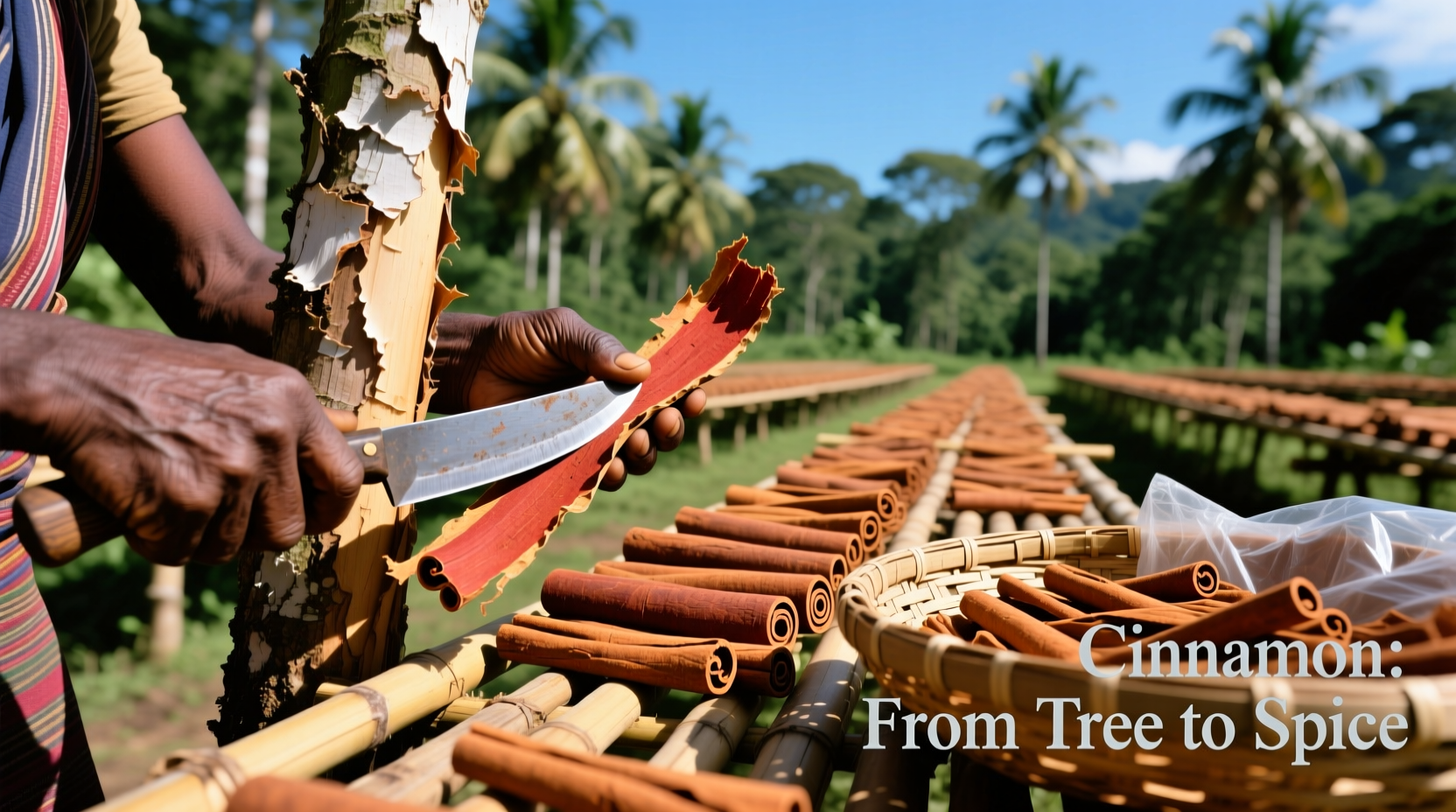
Cinnamon is a spice derived from the inner bark of several tree species from the genus Cinnamomum, primarily grown in Sri Lanka, Indonesia, India, Vietnam, and Madagascar. The bark is harvested, stripped, dried, and either sold as quills (rolls) or ground into powder. Its use dates back over 4,000 years, appearing in ancient Egyptian embalming recipes and traditional Chinese medicine. Today, it remains essential in both sweet and savory cooking across global cuisines.
The two most commercially significant types are Ceylon cinnamon (Cinnamomum verum), often called “true cinnamon,” and cassia cinnamon (Cinnamomum cassia), which dominates supermarket shelves in North America and Europe. While they share a similar aromatic profile—warm, sweet, slightly peppery—they differ significantly in origin, chemical composition, texture, and safety for long-term consumption.
Key Characteristics
| Attribute | Ceylon Cinnamon | Cassia Cinnamon |
|---|---|---|
| Scientific Name | Cinnamomum verum | Cinnamomum cassia |
| Origin | Sri Lanka, southern India | China, Indonesia, Vietnam |
| Flavor Profile | Delicate, sweet, citrusy, floral notes | Bolder, spicier, more pungent, slightly bitter |
| Texture/Form | Thin, multi-layered quills; soft and brittle | Thick, single-layer quills; hard and dense |
| Coumarin Content | Very low (safe for regular use) | High (may pose liver risk in excess) |
| Color | Light tan to pale brown | Dark reddish-brown |
| Shelf Life (Whole) | 3–4 years | 2–3 years |
| Shelf Life (Ground) | 1–2 years | 1 year |
The key distinction lies in coumarin, a naturally occurring compound found in high concentrations in cassia. While harmless in small amounts, excessive intake over time has been linked to liver damage in sensitive individuals. Ceylon cinnamon contains negligible levels, making it preferable for daily use, especially in supplements or therapeutic contexts.
The Harvesting and Production Process
Making cinnamon is a labor-intensive agricultural process rooted in tradition and precision. It begins with cultivating the right species under optimal conditions and culminates in the transformation of raw bark into market-ready spice.
1. Cultivation and Tree Growth
Cinnamon trees thrive in tropical climates with high humidity and well-drained soil. They are typically propagated from cuttings or seeds and grow to about 6–15 feet tall when cultivated for bark harvest. Farmers prune the trees heavily after the first two years to encourage multiple slender shoots—a practice known as coppicing. These young shoots produce the thinnest, most pliable bark, ideal for peeling and rolling into quills.
2. Harvesting the Bark
Harvesting occurs during the rainy season when the bark is moist and easier to peel. Workers select mature stems—usually two-year-old shoots—and cut them close to the base. Using a small knife, they make two horizontal cuts at the top and bottom of each stem, followed by vertical slits along the length. The outer bark is gently removed, exposing the inner bark, which is the source of the spice.
This inner layer, called the phloem, is carefully pried away using a rounded tool or thumbnail. Skilled harvesters work swiftly to prevent tearing, as intact strips are crucial for forming high-quality quills.
3. Drying and Curling
Once peeled, the inner bark strips are left to dry in shaded, ventilated areas. As they lose moisture, the strips naturally curl inward, beginning to form tube-like shapes. In some regions, artisans manually roll the strips into tight, concentric quills—especially with Ceylon cinnamon, where multiple thin layers are nested together like scrolls. This method produces the delicate “soft sticks” characteristic of true cinnamon.
Cassia bark, being thicker and stiffer, typically forms a single, dense roll that resists crumbling but requires more force to break or grind.
4. Grading, Sorting, and Packaging
After drying—usually taking 4 to 7 days—the quills are sorted by length, thickness, and color. Premium grades consist of uniform, unbroken quills with a bright hue and strong aroma. Lower grades may include broken pieces (\"chips\") or off-color material, often used for industrial grinding or extraction.
For powdered cinnamon, quills are milled using stone or steel grinders. Some producers sieve the powder to ensure consistency. To preserve freshness, cinnamon is packaged in airtight containers, shielded from light and moisture.
Pro Tip: When buying whole cinnamon, opt for intact quills over pre-ground whenever possible. Whole sticks retain their volatile oils longer, preserving flavor and potency for up to four times longer than ground spice.
Variants & Types
Not all cinnamon is created equal. Different species yield distinct products suited to different culinary and medicinal purposes.
- Ceylon Cinnamon (Cinnamomum verum): Native to Sri Lanka, this is the original cinnamon traded along ancient spice routes. It features fine, papery layers and a nuanced, mildly sweet flavor. Ideal for desserts, custards, beverages, and dishes where subtlety matters.
- Indonesian Cassia (Cinnamomum burmannii): Also known as Korintje cinnamon, it has a robust, woody taste and dark color. Commonly used in commercial baking due to lower cost and strong presence in formulations.
- Chinese Cassia (Cinnamomum cassia): The most widely exported form globally. Hard, thick sticks with a pronounced bite. Frequently labeled simply as “cinnamon” in U.S. grocery stores.
- Saigon Cinnamon (Cinnamomum loureiroi): Grown in Vietnam, this variety boasts the highest essential oil content—up to 5% cinnamaldehyde—giving it an intense, spicy-sweet punch. Favored by pastry chefs for bold flavor impact.
- Malabar Cinnamon: A regional variant from southern India, similar to Ceylon but slightly coarser. Used locally in curries and Ayurvedic preparations.
| Type | Best For | Average Coumarin Level | Price Range (per oz) |
|---|---|---|---|
| Ceylon | Desserts, tea, infant food, daily use | Low (≤0.04%) | $1.50–$3.00 |
| Chinese Cassia | Snickerdoodles, spice blends, sausage rubs | High (≥1.0%) | $0.30–$0.60 |
| Saigon | Pastries, glazes, holiday baking | Very High (~6.5%) | $1.00–$2.00 |
| Indonesian | Commercial products, mulled wine | High (~3.5%) | $0.25–$0.50 |
Comparison with Similar Ingredients
Cinnamon is often confused with other warming spices, particularly those used in similar applications. Clarifying these differences ensures accurate substitution and better dish outcomes.
- Cinnamon vs. Nutmeg: Nutmeg comes from the seed of Myristica fragrans and offers a nutty, earthy warmth. Unlike cinnamon, it can become unpleasantly sharp if overused. Best grated fresh and used sparingly in béchamel, potato dishes, or eggnog.
- Cinnamon vs. Allspice: Despite its name, allspice is a single berry (Pimenta dioica) that tastes like a blend of cinnamon, cloves, and nutmeg. Common in Caribbean jerk seasoning and pickling spice mixes.
- Cinnamon vs. Cardamom: Cardamom delivers a eucalyptus-like brightness with citrus undertones. More expensive and complex, it shines in Middle Eastern rice dishes, chai, and Scandinavian bakes.
- Cinnamon vs. Cassia: Often mistaken as separate entities, cassia is technically a type of cinnamon—but one with stronger flavor and higher coumarin. In the U.S., most “cinnamon” is actually cassia.
“Many people don’t realize they’ve never tasted real cinnamon. What they know as cinnamon is actually cassia—bold, cheap, and abundant. But true Ceylon cinnamon is a revelation: delicate, layered, almost perfumed.” — Chef Amara Singh, Spice Curator at The Culinary Guild
Practical Usage in Cooking
Cinnamon plays dual roles in the kitchen: enhancing sweetness in desserts and adding depth to savory spice rubs and stews. How you use it depends on the form, type, and desired outcome.
Using Whole Sticks
Whole cinnamon sticks infuse liquids gradually, releasing flavor without grittiness. Use them in:
- Mulled wines and ciders (simmer 1 stick per quart)
- Rice pilafs and biryanis (add 1 inch piece, remove before serving)
- Custards and poaching syrups (infuse milk or liquid, then strain)
- Curries and braises (combine with cloves, cardamom, bay leaf)
One standard stick imparts moderate flavor to 4 servings. For stronger presence, lightly crush the stick before use to increase surface area.
Using Ground Cinnamon
Ground cinnamon integrates quickly into dry mixes and batters. Ideal for:
- Oatmeal and yogurt swirls (¼ tsp per bowl)
- Coffee cakes and muffins (½ to 1 tsp per cup of flour)
- Spice blends like garam masala, pumpkin pie spice, or Chinese five-spice
- Dusting over fruit compotes or French toast
To maximize flavor, toast ground cinnamon briefly in a dry pan or add early to hot fats in sautéing. However, avoid prolonged cooking, as volatile oils degrade after 10–15 minutes of boiling.
Chef’s Note: Never substitute ground cassia for Ceylon in recipes calling for subtle spice balance—such as crème brûlée or delicate pastries—without adjusting quantity. Start with half the amount and taste.
Pairing Suggestions
Cinnamon harmonizes with ingredients across the flavor spectrum:
- Fruits: Apples, pears, bananas, oranges, cherries
- Dairy: Cream, yogurt, ricotta, mascarpone
- Nuts: Almonds, walnuts, pecans, hazelnuts
- Spices: Cloves, ginger, nutmeg, star anise, cardamom
- Liquids: Coffee, black tea, red wine, orange juice
In savory contexts, pair cinnamon with cumin and coriander in Moroccan tagines, or with soy sauce and star anise in Chinese braised meats.
Storage, Shelf Life, and Substitutions
How to Store Cinnamon
To preserve potency:
- Keep in airtight glass jars away from heat and sunlight.
- Store whole quills separately from ground spice.
- Do not refrigerate—condensation promotes mold and flavor loss.
Whole cinnamon sticks last 3–4 years; ground cinnamon retains peak quality for 12–18 months. After that, it doesn’t spoil but loses aromatic intensity.
Substitutions
If out of cinnamon, consider these alternatives based on context:
- Allspice: Use ¾ tsp allspice for every 1 tsp cinnamon in baked goods.
- Pumpkin Pie Spice: Contains cinnamon already—use 1:1 ratio in fall desserts.
- Ground Nutmeg: Use sparingly (⅛ to ¼ tsp); best in creamy dishes.
- Cardamom: Substitute in Scandinavian or Middle Eastern recipes for complexity.
No substitute fully replicates cinnamon’s unique profile, so blending spices (e.g., ½ tsp allspice + ¼ tsp nutmeg) yields better results.
FAQs
Is cinnamon safe to consume daily?
Yes—if using Ceylon cinnamon. Due to its low coumarin content, it can be consumed regularly in culinary amounts. Cassia should be limited to occasional use, especially for those with liver concerns or consuming cinnamon supplements.
Can I grow my own cinnamon tree?
Yes, in USDA zones 9–11, or as a houseplant in cooler climates. Cinnamomum verum grows slowly and requires high humidity and indirect light. Harvesting bark is impractical until the plant is at least three years old.
Why does store-bought cinnamon taste so harsh?
Most commercial brands sell cassia, not true cinnamon. Its higher coumarin and cinnamaldehyde content create a sharper, more aggressive bite. Switching to Ceylon often resolves complaints of bitterness or chemical aftertaste.
Does organic cinnamon make a difference?
Organic certification ensures no synthetic pesticides or fumigants were used during cultivation or storage. Given cinnamon’s porous nature, choosing organic reduces exposure to residues—especially important for frequent users.
Summary & Key Takeaways
Cinnamon is far more than a pantry staple—it’s the product of centuries-old agricultural knowledge and meticulous craftsmanship. From the humid groves of Sri Lanka to backyard spice racks, its journey influences flavor, safety, and culinary performance.
Understanding the difference between Ceylon and cassia varieties allows for smarter, healthier choices. Recognizing how form (whole vs. ground) affects application improves recipe outcomes. And proper storage preserves the volatile compounds that define its appeal.
Whether crafting a delicate rice pudding or building a complex curry, selecting the right type of cinnamon elevates the dish from ordinary to exceptional. By appreciating the process behind making cinnamon, cooks gain deeper insight into one of humanity’s oldest and most cherished spices.
Next time you reach for cinnamon, check the label: Is it Ceylon or cassia? Your liver—and your palate—will thank you.




 浙公网安备
33010002000092号
浙公网安备
33010002000092号 浙B2-20120091-4
Comments
No comments yet. Why don't you start the discussion?