
Walk into any spice market, and your eyes are drawn not to labels or names, but to color: deep reds, golden yellows, earthy browns, vibrant greens, and inky blacks. These hues are not merely decorative—they are visual cues rooted in chemistry, botany, and cultural tradition that signal flavor intensity, aroma, heat level, and even optimal cooking applications. Understanding the science behind spice colors unlocks a deeper mastery of seasoning, allowing cooks to make informed choices before a single grain touches the pan. From the fiery crimson of cayenne to the sunlit glow of turmeric, color serves as nature’s labeling system, revealing what a spice will contribute to a dish long before it's tasted.
Definition & Overview
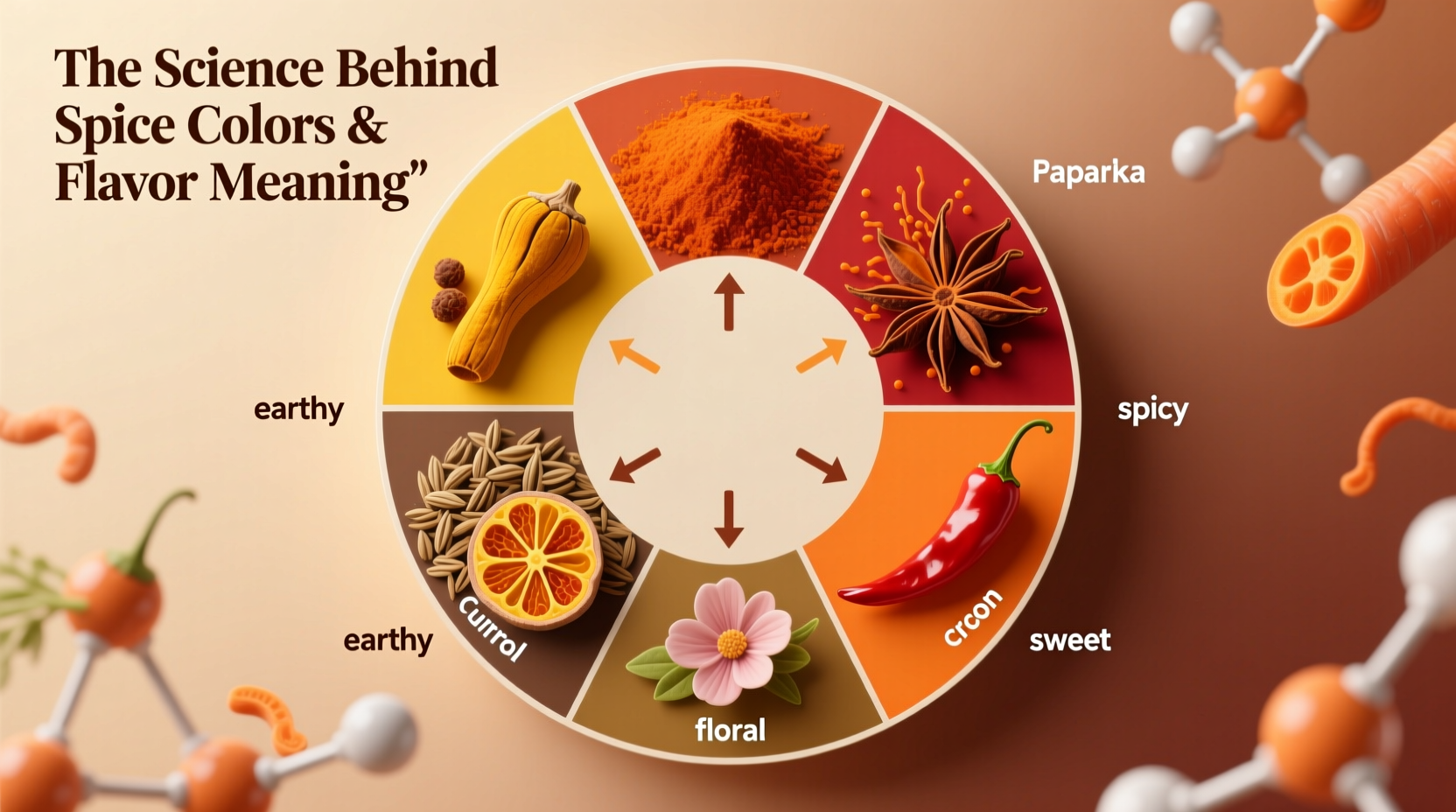
Spices are concentrated plant-derived ingredients—typically seeds, roots, bark, or dried fruits—used to enhance flavor, aroma, and appearance in food. Unlike herbs, which are usually fresh or dried leafy parts of plants, spices undergo drying processes that intensify their chemical compounds and often alter their color. The pigments responsible for a spice’s hue are bioactive molecules such as carotenoids, anthocyanins, curcuminoids, and chlorophyll derivatives. These compounds do more than tint; they influence taste, stability, and even health benefits. Crucially, the color of a spice is intrinsically linked to its phytochemistry, which in turn dictates its sensory profile and culinary behavior.
For example, red spices often derive their shade from capsaicinoids or carotenoids, both of which correlate with heat or earthy sweetness. Yellow spices frequently owe their brilliance to curcumin or other polyphenols, signaling warm, slightly bitter notes and anti-inflammatory properties. Green spices retain chlorophyll, indicating freshness and volatile aromatics. Brown and black tones suggest Maillard reaction products, fermentation, or oxidation, often associated with depth and smokiness. Recognizing these patterns allows cooks to predict flavor outcomes and build more intentional dishes.
Key Characteristics of Common Spice Colors
The following table summarizes the scientific basis, dominant compounds, and flavor implications of major spice color categories:
| Color | Primary Pigments | Common Spices | Flavor Profile | Heat Level | Culinary Function |
|---|---|---|---|---|---|
| Red | Capsanthin, Capsorubin, Carotenoids | Paprika, Cayenne, Aleppo pepper, Chili powder | Smoky, sweet, pungent, sometimes fruity | Mild to very hot | Add color, heat, depth; base for sauces and rubs |
| Yellow/Orange | Curcumin, Crocin | Turmeric, Saffron, Annatto | Earthy, bitter, floral, slightly metallic | Not hot (except when blended) | Coloring agent, base for curries, anti-inflammatory boost |
| Green | Chlorophyll, Terpenes | Green cardamom, coriander seed, matcha (culinary use), green peppercorns | Fresh, herbal, citrusy, aromatic | Low to moderate | Aromatic lift, finishing spice, brightening blends |
| Brown | Melanoidins, Tannins, Oxidized phenols | Cinnamon, nutmeg, cumin, cloves | Warm, woody, sweet, earthy | Not typically hot | Base aromatics, baking, stews, braises |
| Black | Carbonized compounds, Anthocyanin degradation | Black pepper, black mustard seed, shichimi togarashi (black sesame) | Pungent, sharp, acrid, complex | Moderate heat (pepper) or none | Finishing spice, textural contrast, bold accent |
Practical Usage: How to Use Color to Guide Seasoning
Color isn’t just aesthetic—it’s functional intelligence. Savvy cooks can leverage spice color to anticipate how an ingredient will behave in a recipe and where it should be applied in the cooking process.
Red Spices: Heat and Hue in Harmony
Red spices like paprika and chili powder are rich in carotenoids, fat-soluble pigments that release best when heated in oil. This explains why many cuisines begin by blooming red spices in fat—a technique common in Indian tadka, Spanish sofrito, and North African chermoula. The deeper the red, the higher the carotenoid concentration, often correlating with richer flavor and better coloring power. For instance, Hungarian sweet paprika provides deep color and mild sweetness, while smoked paprika (pimentón) adds a charred complexity due to pyrolysis during drying. Cayenne, though similarly red, contains capsaicin, making it far hotter and less about color than fire.
Tip: Never add powdered red spices directly to liquids without blooming in oil first. This prevents clumping and maximizes flavor extraction. Use a small amount of neutral oil or ghee over medium-low heat for 30–60 seconds before incorporating into the dish.
Yellow Spices: The Golden Standard of Depth
Turmeric dominates the yellow category, prized for curcumin—the compound responsible for its intense color and antioxidant properties. However, curcumin degrades quickly in alkaline environments and loses potency when exposed to light and oxygen. To preserve both color and benefit, pair turmeric with black pepper (which contains piperine, enhancing curcumin absorption by up to 2,000%) and cook in fat. Saffron, though technically a stigma rather than a spice, follows similar rules: steep threads in warm liquid before use to extract crocin, the pigment behind its golden infusion.
In Indian and Southeast Asian cuisines, yellow spices form the backbone of curry pastes and rice dishes. A pale yellow in a curry often means under-seasoning; a vibrant golden hue indicates proper spice blooming and balance.
Green Spices: Freshness in Dried Form
Green spices retain chlorophyll because they are either shade-dried or harvested young. Green cardamom pods, for example, are picked before full maturity and cured gently, preserving their minty-camphorous aroma. Coriander seeds, when greenish-brown, indicate youth and brighter citrus notes compared to darker, older seeds, which develop mustier tones.
These spices excel in dishes requiring aromatic lift—think Thai green curry paste, Persian rice with cardamom, or Moroccan harira soup. Because chlorophyll breaks down easily, avoid prolonged high-heat exposure. Add ground green spices late in cooking or use whole pods that can be removed later.
Brown Spices: Warmth Without Fire
Brown spices derive their hue from natural aging, enzymatic browning, or thermal processing. Cinnamon, made from rolled tree bark, develops its signature tan-to-brown tone through slow dehydration. Cloves darken as eugenol-rich oils oxidize. These changes parallel flavor development: simple sugars caramelize, volatile oils concentrate, and tannins polymerize, creating layered warmth.
Use brown spices early in long-cooked dishes like mulled wine, biryanis, or beef stew. Whole forms infuse slowly and evenly, while ground versions integrate faster but lose potency quicker. Toasting whole brown spices in dry pans revives essential oils and deepens their color further, enhancing both aroma and visual appeal.
Black Spices: Boldness and Complexity
Black pepper, the most ubiquitous black spice, gets its dark husk from minimal processing—dried unripe fruit with skin intact. The blackness signals piperine content, the alkaloid responsible for its sharp bite. In contrast, white pepper (same fruit, skin removed) is milder and less visually assertive.
Other black spices include black mustard seeds (used in tempering South Indian dishes) and nigella seeds (sometimes called \"black onion seeds\"), which contribute visual drama and distinct flavor. Black garlic, though fermented rather than dried, also fits this category—its jet-black cloves offer umami richness, not heat.
Reserve black spices for finishing or bold applications. Cracked black pepper on steak, black mustard seeds sizzling in oil for dals, or black sesame in ramen—all rely on visual contrast and punchy flavor delivery.
Variants & Types by Color and Processing
Within each color group, variations arise from growing conditions, harvest time, and post-harvest treatment. Understanding these helps refine selection.
- Red Variants: Sweet paprika (Hungary), smoked paprika (Spain), Kashmiri chili (India), and urfa biber (Turkey) all differ in heat, smokiness, and moisture content despite shared redness.
- Yellow Variants: Turmeric comes in fresh root, dried powder, and oleoresin forms. Fresh has ginger-like juiciness; powdered offers consistency; oleoresin is used commercially for maximum color yield.
- Green Variants: Green cardamom vs. black cardamom—one floral and delicate, the other smoky and camphorous. Both are green in name only; black cardamom is actually dark brown due to open-fire curing.
- Brown Variants: Ceylon cinnamon (light tan, layered bark) vs. cassia (dark brown, thick single roll). Cassia is stronger, cheaper, and higher in coumarin, a compound potentially harmful in excess.
- Black Variants: Peppercorns come in black, white, green, and red, depending on ripeness and processing. Black is most aromatic; green is brined and mild; red is rare and fruity.
Pro Tip: When a recipe calls for a specific colored spice, don’t substitute blindly. Substituting cassia for Ceylon cinnamon alters both flavor and health impact. Replacing smoked paprika with cayenne introduces unwanted heat instead of smokiness.
Comparison with Similar Ingredients
Color-based confusion is common in spice cabinets. Here’s how to distinguish look-alikes:
| Spice Pair | Color Difference | Flavor Contrast | Culinary Use |
|---|---|---|---|
| Turmeric vs. Saffron | Both yellow, but saffron is thread-like and deep orange-red at tips | Turmeric: earthy, slightly bitter; Saffron: floral, honeyed, delicate | Turmeric for bulk coloring; saffron for luxury accents |
| Black Pepper vs. Black Sesame | Peppercorns are smaller, spherical, matte black; sesame seeds are flat, shiny | Pepper: pungent, sharp; Sesame: nutty, oily | Pepper for seasoning; sesame for texture and aroma |
| Paprika vs. Chili Powder | Both red, but chili powder often duller due to blending | Paprika: sweet/smoky; Chili powder: spicy, cumin-heavy | Paprika for color; chili powder for Tex-Mex heat |
| Green Cardamom vs. Fennel Seed | Cardamom is dark green pod; fennel is lighter green, oval seed | Cardamom: citrusy, resinous; Fennel: licorice-sweet | Cardamom in desserts and curries; fennel in Italian sausages |
Practical Tips & FAQs
How does spice color affect shelf life?
Pigments degrade over time, especially when exposed to light, air, and moisture. Bright red paprika fades to brick; golden turmeric dulls to ochre. Faded color often indicates diminished flavor and potency. Store spices in airtight, opaque containers away from stoves and windows. Whole spices last longer than ground—up to 3–4 years versus 6–12 months.
Can I trust color alone when buying spices?
Not always. Some vendors enhance color with dyes (e.g., lead chromate in turmeric has been detected in adulterated batches). Buy from reputable sources. Authentic saffron dissolves into a golden-yellow bath, not red. Real paprika spreads smoothly in oil; dyed versions may leave sediment.
Why do some spices change color when cooked?
Acidity, heat, and oxidation alter pigment chemistry. Turmeric turns dull gray in alkaline batters (like some lentil pancakes). Red chilies deepen when fried in oil but burn to black if overheated. Chlorophyll in green spices turns olive if boiled too long—chlorophyll degrades to pheophytin.
Are brightly colored spices healthier?
Often, yes. Intense pigments usually mean high concentrations of bioactive compounds: curcumin (anti-inflammatory), capsaicin (metabolism booster), anthocyanins (antioxidants). But color alone isn't a guarantee—processing and storage matter.
What color spice should I use for a balanced dish?
Balance across the spectrum creates complexity. A well-layered curry might include:
- Yellow (turmeric) for base color and earthiness,
- Red (chili) for heat and vibrancy,
- Brown (cumin, coriander) for warmth,
- Green (cardamom) for brightness,
- Black (pepper) for finish.
\"The color of a spice is its first whisper of flavor. Learn to read it, and you’ll season with intention, not guesswork.\" — Chef Amira Hassan, Culinary Ethnobotanist
Summary & Key Takeaways
Spice color is far more than visual appeal—it is a direct expression of biochemical composition, offering reliable clues about flavor, heat, aroma, and optimal use. Red signals carotenoids and capsaicin, delivering color and fire. Yellow indicates curcumin or crocin, bringing earthy warmth and medicinal value. Green reflects chlorophyll and terpenes, promising freshness and volatility. Brown suggests aged, oxidized compounds ideal for slow-building depth. Black points to piperine or carbonization, offering sharpness and complexity.
To harness this knowledge:
- Bloom red and yellow spices in fat to unlock pigments and flavors.
- Add green and black spices late or as finishers to preserve aroma and contrast.
- Store all spices properly—color fades fastest in light and humidity.
- Respect differences within color groups; not all reds are equally hot, not all yellows are interchangeable.
- Use color intentionally to build layered, balanced dishes—both on the palate and the plate.
Next time you reach for a spice jar, pause and observe. What does its color tell you before you even smell or taste? Train your eye, and you’ll never season blindly again.




 浙公网安备
33010002000092号
浙公网安备
33010002000092号 浙B2-20120091-4
Comments
No comments yet. Why don't you start the discussion?