
Across kitchens from bustling street food stalls in Southeast Asia to Michelin-starred dining rooms in Europe, one ingredient consistently commands attention: the small red chile. Ubiquitous yet often misunderstood, this fiery staple is far more than just a source of heat. It's a complex flavor agent, a cultural symbol, and a precision tool in the hands of skilled cooks. Whether dried, fresh, fermented, or smoked, the small red chile shapes cuisines with its vibrant color, aromatic intensity, and layered heat. For home cooks seeking authenticity and professionals aiming for balance, understanding this ingredient isn't optional—it's essential.
Despite its global presence, confusion persists. Is it interchangeable with cayenne? What distinguishes a Thai bird’s eye chile from an African peri-peri? How can such a tiny pepper carry so much influence? This article demystifies the small red chile, exploring its botanical roots, sensory profile, and functional versatility. More than a catalog of varieties, it offers a practical framework for using these peppers with intention—transforming heat into harmony.
Definition & Overview
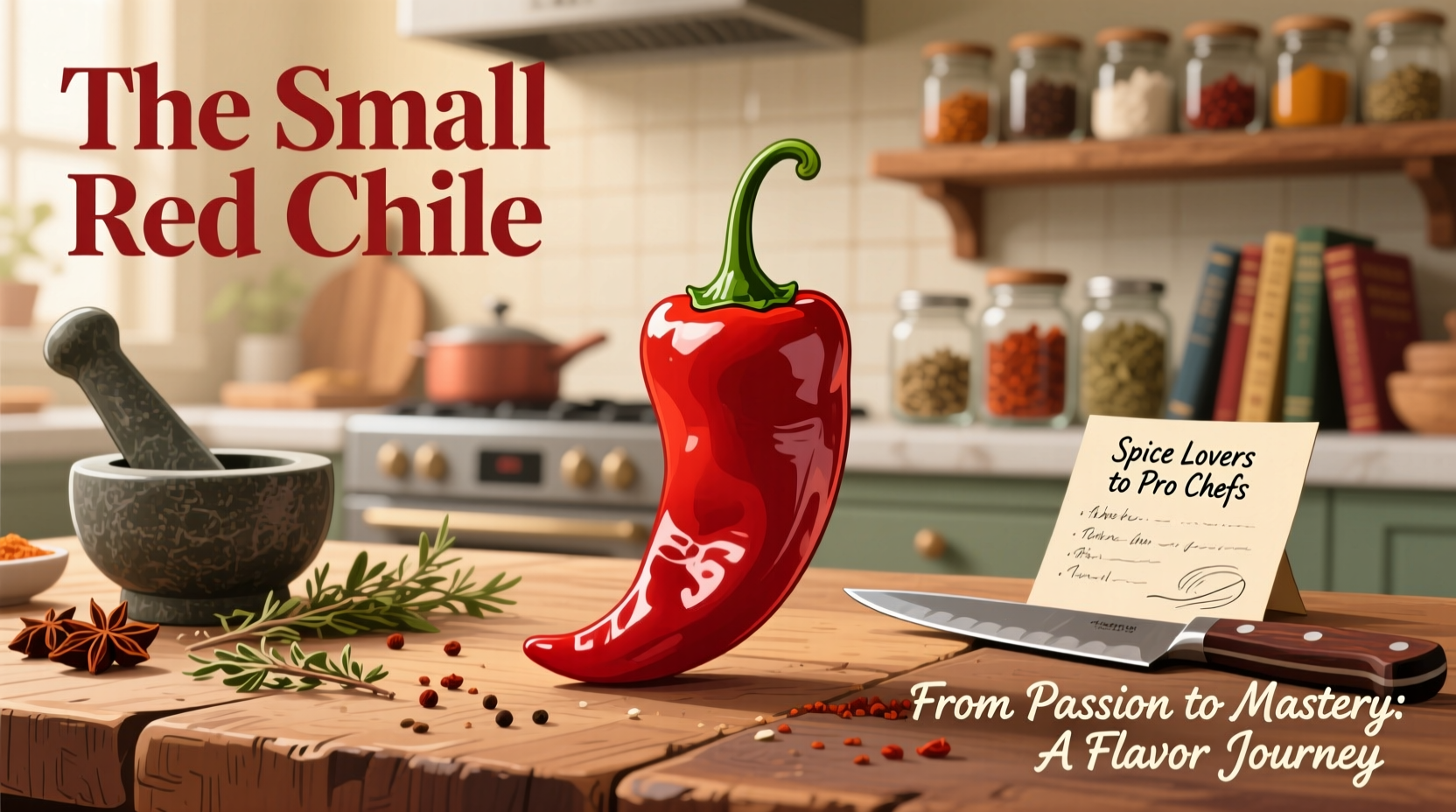
The term \"small red chile\" refers not to a single species but to a broad category of mature, red-colored chili peppers that are typically under three inches in length. These peppers belong primarily to two botanical species: Capsicum annuum (which includes jalapeños, cayenne, and many ornamental types) and Capsicum frutescens (notably Thai chiles and tabasco peppers). In their ripe red form, they have undergone full maturation, converting sugars, deepening pigments, and developing volatile compounds responsible for aroma and pungency.
Globally, small red chiles appear in nearly every warm-climate cuisine. In Mexico, chiles de árbol and pequin peppers bring sharp heat to salsas and moles. Across India and Southeast Asia, finger-length red chiles like the Byadgi or siling labuyo deliver both fire and fruitiness. In Africa, the malagueta and piri-piri are central to marinades and condiments. Their universal appeal lies in their potency—small size belies high capsaicin concentration—and adaptability to drying, grinding, fermenting, and infusing.
Unlike green chiles, which emphasize vegetal or grassy notes, red chiles offer a broader flavor spectrum: raisin-like sweetness, smoky depth, citrusy brightness, or earthy musk. This complexity makes them indispensable not only for spicing but for seasoning—adding dimension rather than mere burn.
Key Characteristics
| Characteristic | Description |
|---|---|
| Flavor Profile | Fruity, slightly sweet, with underlying notes of berry, tobacco, or citrus; matures beyond raw vegetal tones of green chiles. |
| Aroma | Pronounced when crushed or heated—floral, smoky, or pine-like depending on variety and preparation. |
| Color & Form | Bright to deep red; slender, conical, or globular; typically 1–3 inches long. |
| Heat Level (Scoville) | Varies widely: 30,000–100,000 SHU average; some exceed 150,000 SHU (e.g., Thai dragon). |
| Culinary Function | Heat source, colorant, flavor enhancer, preservative (in fermented forms), textural element (when fried). |
| Shelf Life | Fresh: 2–3 weeks refrigerated. Dried: 1–2 years if stored airtight, away from light and moisture. |
The heat of small red chiles comes from capsaicinoids concentrated in the placental tissue (the white ribs and seeds). While seeds themselves don’t produce capsaicin, they absorb it readily, contributing to perceived pungency. The burn is immediate and sharp in most fresh forms, while dried versions often develop a slower-building, longer-lasting heat due to structural changes during dehydration.
Practical Usage
How a small red chile is used determines its impact. A whole dried chile steeped in oil imparts warmth and fragrance without overwhelming heat. Finely ground, it becomes a seasoning—integrated into rubs, batters, or spice blends. Fresh, it delivers bright, piercing fire ideal for salsas, stir-fries, and relishes.
Home Cooking Applications
- Salsas & Chutneys: Finely mince 1–2 small red chiles (seeds removed for milder heat) and mix with tomatoes, cilantro, lime juice, and onion. Let sit 15 minutes to meld flavors.
- Stir-Fries: Add sliced fresh chiles in the last minute of cooking to preserve crispness and volatile aromatics.
- Infused Oils: Heat 1 cup neutral oil with 3–4 dried chiles over low flame for 10 minutes. Strain and store in dark glass bottle. Use for finishing soups, noodles, or grilled meats.
- Marinades: Crush dried chiles into flakes and combine with garlic, soy sauce, vinegar, and sugar for poultry or tofu.
Professional Techniques
In restaurant kitchens, precision with small red chiles separates competent from exceptional cooking. Chefs use them as both primary and background elements:
- Layered Heat: Combine fresh chiles for upfront punch with toasted, ground dried chiles for depth—common in Mexican mole or Sichuan mapo tofu.
- Controlled Infusion: Steep dried chiles in warm stock or cream to extract flavor without excessive burn, then strain before serving.
- Emulsified Sauces: Blend roasted red chiles with nuts, breadcrumbs, or dairy to create balanced sauces like romesco or harissa.
- Textural Contrast: Deep-fry dried chiles briefly in hot oil until crisp—adds crunch and visual drama to dim sum or noodle bowls.
Pro Tip: Always taste-test chiles before use. Heat levels vary significantly even within the same batch. Remove seeds and membranes for controlled heat; leave them intact for maximum fire. When handling large quantities, wear gloves to avoid skin irritation.
Pairing Suggestions
Small red chiles excel when balanced against complementary flavors:
- Dairy: Yogurt, sour cream, or coconut milk temper heat while adding richness (e.g., raita, Thai curries).
- Sweetness: Honey, palm sugar, or ripe fruit counterbalance pungency (mango-chile salsa, agrodolce sauces).
- Acidity: Lime, tamarind, or vinegar lift and brighten chile heat (essential in ceviche, nam prik).
- Umami: Soy sauce, fish sauce, or fermented black beans deepen savory resonance without increasing burn.
A classic ratio in many Asian kitchens: 1 part chile to 2 parts acid to 1 part sweetener. Adjust based on desired profile.
Variants & Types
Not all small red chiles are created equal. Understanding regional types ensures authentic results and informed substitutions.
| Variety | Origin | Heat (SHU) | Flavor Notes | Best Uses |
|---|---|---|---|---|
| Thai Bird’s Eye (Prik Kee Noo) | Thailand | 50,000–100,000 | Sharp, citrusy, floral | Curries, dipping sauces, salads |
| Mexican Pequin | Mexico | 40,000–60,000 | Smoky, nutty, slightly sweet | Dried for salsas, moles, spice mixes |
| Malagueta | Brazil/Africa | 60,000–100,000 | Grassy, pungent, lingering heat | Vinegar-based hot sauces, stews |
| Siling Labuyo | Philippines | 80,000–100,000 | Intense, clean burn with tropical fruit hint | Adobos, sinigang, vinegar dips |
| Piri-Piri | Angola/Portugal | 50,000–175,000 | Smoky, tangy, fruity | Grilled chicken, marinades, oil infusions |
| Chile de Árbol | Mexico | 15,000–30,000 | Woody, nutty, quick flash of heat | Ground for spice blends, infused oils |
Each variety brings distinct qualities. Thai bird’s eye chiles are prized for their aromatic lift, while pequin offers a rounded, almost buttery heat. Piri-piri’s popularity in commercial sauces stems from its balanced profile—hot but not harsh. Chile de árbol, despite moderate Scoville numbers, feels hotter due to rapid onset and lack of sweetness to buffer the burn.
Comparison with Similar Ingredients
Small red chiles are frequently confused with other red peppers. Clarifying differences prevents recipe failures and flavor imbalances.
| Ingredient | Key Differences | Substitution Advice |
|---|---|---|
| Cayenne Pepper | Typically longer, milder (30,000–50,000 SHU); often sold ground; less aromatic than fresh small chiles. | Use ½ tsp cayenne for 1 fresh small red chile; add pinch of smoked paprika for depth. |
| Red Jalapeño | Larger (2–3x the size); milder (2,500–8,000 SHU); fleshier texture; less intense flavor. | Not ideal substitute where heat is key; use chipotle powder for smokiness instead. |
| Crushed Red Pepper Flakes | Usually a blend (often cayenne + others); inconsistent heat; may include seeds and skin debris. | Use ¼ tsp flakes per chile; sift if texture matters. |
| Paprika | Generally non-pungent (unless labeled hot); sweeter, earthier; no fresh pepper texture. | Add cayenne or chile powder to hot paprika for heat mimicry. |
A critical distinction: many commercial “crushed red pepper” products use Italian or Turkish peppers that lack the aromatic complexity of true small red chiles like Thai or pequin. For authentic applications, seek specific varieties by name.
Practical Tips & FAQs
What’s the best way to reduce the heat of a dish that’s too spicy?
Add fat (cream, coconut milk), sweetness (sugar, honey), or starch (rice, bread) to absorb or mask capsaicin. Acid alone won’t reduce heat—it enhances perception of spice. Dilution with additional base ingredients (broth, vegetables) also helps.
Can I substitute dried for fresh small red chiles?
Yes, but adjust for concentration. One dried chile ≈ 1.5 to 2 fresh in heat, but flavor differs. Toast dried chiles lightly before use to rehydrate and amplify aroma. Reconstitute in hot water for sauces or blending.
How should I store fresh small red chiles?
Keep unwashed in a paper towel-lined container in the refrigerator crisper drawer. Use within 3 weeks. For longer storage, freeze whole—freeze-damaged texture limits fresh use but works fine for cooking.
Are small red chiles nutritious?
Yes. Rich in vitamin C (more than oranges by weight), vitamin A (from beta-carotene), and antioxidants like capsanthin. Capsaicin has been studied for metabolic and anti-inflammatory benefits, though effects vary by individual.
Why do some recipes call for frying chiles in oil first?
Heating chiles in oil extracts capsaicin and aromatic compounds efficiently. The oil becomes a flavored medium, distributing heat evenly. In dishes like dan dan noodles or kung pao chicken, this step builds foundational flavor.
Storage Checklist:
- Dried chiles: Airtight jar, cool, dark place—check annually for mold or staleness.
- Fresh chiles: Refrigerate in ventilated container; avoid plastic bags that trap moisture.
- Ground chile: Use within 6 months for peak potency; label with date.
- Infused oils: Refrigerate after opening; consume within 1 month to prevent botulism risk.
“In Thai cuisine, the small red chile isn’t just about heat—it’s about rhythm. One chile in a curry gives warmth; three give urgency; five demand respect. We teach students to listen to the chile, not just endure it.” — Chef Niran Ratanasopa, Bangkok Culinary Institute
Summary & Key Takeaways
The small red chile is a cornerstone of global flavor, transcending its reputation as a simple hot pepper. Its value lies in its duality: capable of searing heat and delicate nuance, depending on how it’s handled. From backyard grilling to haute cuisine, mastering this ingredient means understanding its forms, respecting its power, and using it with purpose.
Key insights:
- Small red chiles are ripe, mature peppers with complex flavor beyond heat—fruity, smoky, floral, or earthy.
- They vary significantly by type; Thai bird’s eye, pequin, malagueta, and piri-piri each offer unique profiles.
- Fresh chiles provide bright, immediate heat; dried versions contribute depth and mellower burn.
- Professional techniques include layering forms (fresh + dried), infusing oils, and balancing with fat, acid, and sweetness.
- Correct storage preserves potency; dried chiles last up to two years if protected from light and moisture.
- Substitutions require care—many common alternatives lack the aromatic fidelity of true small red chiles.
Start small. Incorporate one variety—like Thai bird’s eye or chile de árbol—into your regular rotation. Taste it raw, cooked, dried, and infused. Notice how context transforms its character. That awareness is the first step toward mastery.




 浙公网安备
33010002000092号
浙公网安备
33010002000092号 浙B2-20120091-4
Comments
No comments yet. Why don't you start the discussion?