
Digital ownership has entered a new era with non-fungible tokens (NFTs) transforming how we perceive art, music, gaming, and collectibles. For newcomers, the world of NFTs can seem both exciting and overwhelming. From choosing the right marketplace to safeguarding your digital wallet, every step matters. This guide breaks down everything a beginner needs to know—practical tips, trusted platforms, real-world examples, and pitfalls to steer clear of.
Understanding What an NFT Really Is
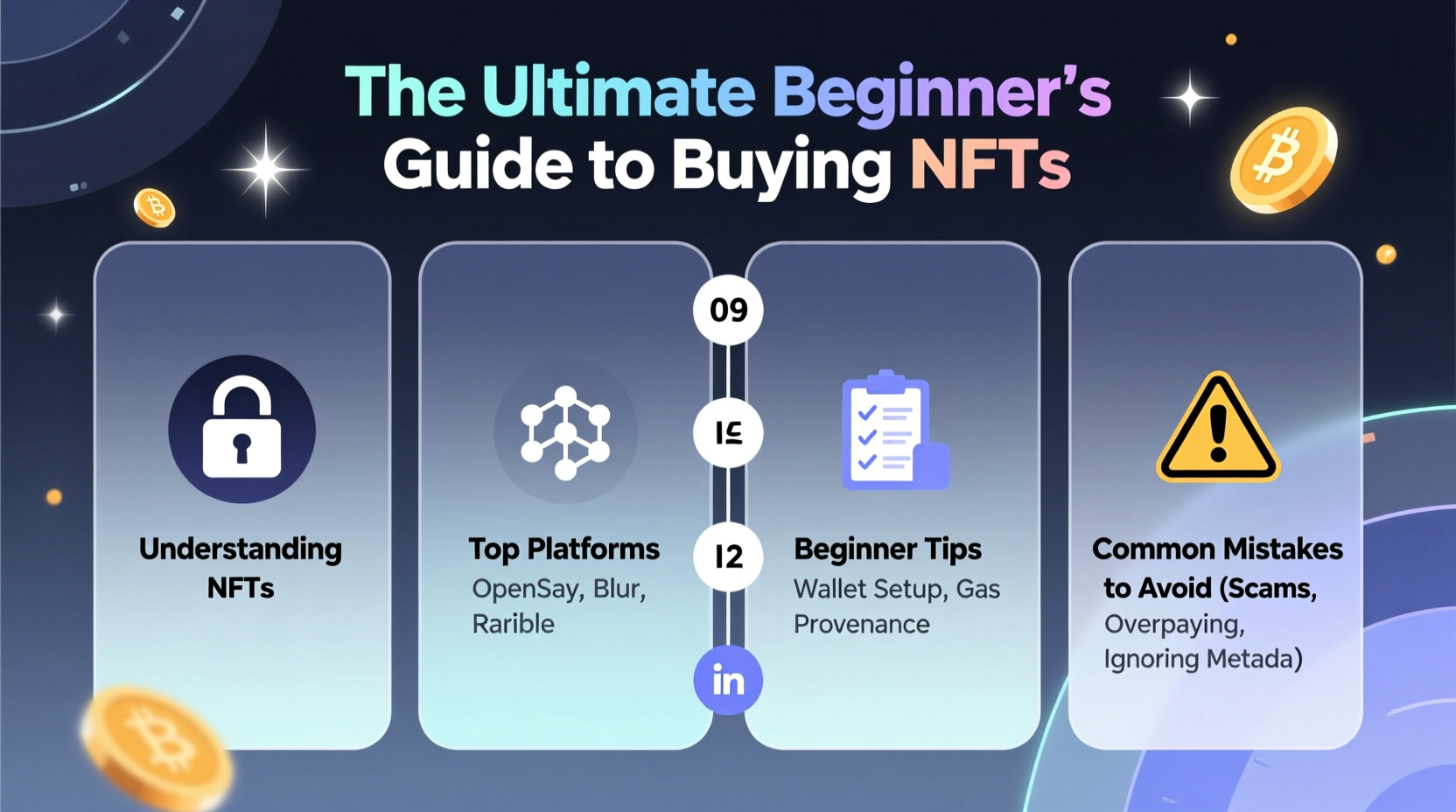
An NFT, or non-fungible token, is a unique digital asset verified using blockchain technology. Unlike cryptocurrencies such as Bitcoin or Ethereum, which are interchangeable (fungible), each NFT has distinct properties and cannot be exchanged on a one-to-one basis. They can represent digital art, music, virtual real estate, in-game items, or even tweets.
NFTs are typically built on blockchains like Ethereum, Solana, or Polygon, with Ethereum being the most widely used. Ownership is recorded on a public ledger, making provenance transparent and nearly impossible to forge. However, owning an NFT does not always mean owning the copyright or reproduction rights to the underlying content—this distinction often trips up first-time buyers.
Step-by-Step Guide to Buying Your First NFT
Purchasing an NFT involves more than just clicking “buy.” It requires preparation, research, and security awareness. Follow this sequence to ensure a smooth entry into the NFT ecosystem.
- Set up a digital wallet: Choose a crypto wallet compatible with the blockchain used by the NFT platform. MetaMask (Ethereum, Polygon) and Phantom (Solana) are popular choices.
- Fund your wallet: Purchase cryptocurrency (usually ETH, SOL, or MATIC) via exchanges like Coinbase or Binance, then transfer it securely to your wallet.
- Connect to an NFT marketplace: Visit platforms like OpenSea, Blur, or Magic Eden and connect your wallet through their interface.
- Browse and research: Use filters to explore collections, check sales history, and verify creator authenticity.
- Make a purchase: Buy instantly or place a bid. Confirm the transaction in your wallet, keeping gas fees in mind.
- Verify ownership: After purchase, confirm the NFT appears in your wallet or collection dashboard.
“New collectors should treat NFTs like any investment—do thorough research, understand the risks, and never spend more than they can afford to lose.” — Sarah Nguyen, Web3 Analyst at Chainalysis
Top NFT Platforms for Beginners
Not all marketplaces are created equal. Some cater to high-end collectors, while others focus on accessibility and low barriers to entry. Here’s a comparison of leading platforms suitable for newcomers.
| Platform | Blockchain | Fees | Best For |
|---|---|---|---|
| OpenSea | Ethereum, Polygon, Base | 2.5% + gas fees | Beginners, wide variety of NFTs |
| Rarible | Ethereum, Polygon, Solana | 2.5% | Creators and decentralized governance |
| Blur | Ethereum | 0% for pro traders, up to 2.5% | Active traders, analytics tools |
| Magic Eden | Solana, Bitcoin, Polygon | 2.0% | Solana NFTs, user-friendly UI |
| FxHash | Tezos | Minimal gas fees | Generative art enthusiasts |
For beginners, OpenSea remains the most accessible due to its intuitive interface and vast selection. Magic Eden is ideal for those exploring Solana-based projects, which often have lower transaction costs.
Common Mistakes New Buyers Make—and How to Avoid Them
The NFT space is rife with scams, hype, and emotional decision-making. Awareness of typical pitfalls can save both money and frustration.
- Falling for fake collections: Scammers replicate popular NFTs with slight name changes. Always verify the official contract address or look for blue-check marks on marketplaces.
- Ignoring gas fees: High network congestion on Ethereum can make small purchases costly. Consider minting or buying during off-peak hours or use Layer 2 solutions like Polygon.
- Clicking phishing links: Fake Discord or Twitter DMs may lead to malicious sites that drain wallets. Never share your seed phrase and double-check URLs.
- Buying based on hype alone: FOMO (fear of missing out) drives many into overpaying for trending but unsustainable projects.
- Leaving NFTs on exchanges: If your NFT is stored on a custodial wallet (like exchange accounts), you don’t fully control it. Transfer assets to your personal wallet for true ownership.
Real Example: The Case of Alex, the First-Time Buyer
Alex, a graphic designer intrigued by digital art, decided to buy his first NFT after seeing headlines about six-figure sales. He created a MetaMask wallet, funded it with $200 in ETH, and headed to OpenSea. Drawn by flashy thumbnails and a “limited drop” banner, he purchased a profile picture (PFP) NFT from an unknown collection called “CyberApes,” spending $180 including gas.
Within days, the floor price dropped to $40. The community Discord was inactive, and the website went offline. Alex realized too late that the project had no roadmap or credible team. His experience highlights the importance of due diligence: checking community engagement, developer transparency, and historical data before buying.
He later recovered by shifting strategy—researching established collections like Art Blocks and joining NFT education communities. His second purchase, a generative piece on FxHash, appreciated modestly and gave him genuine appreciation for the art form.
Essential Checklist Before Buying Any NFT
Use this checklist to minimize risk and maximize confidence in your NFT purchases.
- ✅ I’ve set up a self-custody wallet (e.g., MetaMask, Phantom)
- ✅ My seed phrase is written down and stored securely offline
- ✅ I’ve researched the project team and their social channels
- ✅ The NFT marketplace is legitimate and the collection is verified
- ✅ I understand the blockchain and associated gas fees
- ✅ I’m not rushing due to FOMO or influencer pressure
- ✅ I’ve reviewed the token’s past sales and current floor price
- ✅ I accept that this is a speculative asset with no guaranteed return
Frequently Asked Questions
Can I sell my NFT later if I change my mind?
Yes, you can list your NFT for sale on the same marketplace where you bought it. However, there’s no guarantee it will sell, especially if demand drops or the project loses relevance. Be prepared for illiquidity.
Are NFTs a good investment?
Some NFTs have generated significant returns, but most do not. The market is highly volatile and speculative. Treat NFTs as high-risk assets—only invest what you can afford to lose.
What happens if the platform shuts down?
If you hold the NFT in your personal wallet, you retain ownership even if the marketplace closes. The blockchain record persists. However, discovery and resale become harder without a functioning marketplace.
Final Thoughts: Start Smart, Stay Curious
Entering the NFT space as a beginner doesn’t require deep technical knowledge, but it does demand caution, curiosity, and patience. The most successful collectors aren’t those who chase trends, but those who take time to understand communities, value creation, and digital ownership. Whether you're drawn to art, utility, or innovation, your journey should begin with education, not expenditure.




 浙公网安备
33010002000092号
浙公网安备
33010002000092号 浙B2-20120091-4
Comments
No comments yet. Why don't you start the discussion?