
Cleaning a cat litter box is a non-negotiable part of responsible pet ownership. While it’s not the most glamorous chore, doing it efficiently and safely protects your home from odor, bacteria, and tracking. Many cat owners either rush through the task or avoid it altogether, leading to hygiene issues and unhappy cats. The good news: with the right tools, timing, and technique, you can empty a litter box in under five minutes—without spreading dust, germs, or mess across your floor.
This guide breaks down the science-backed, vet-approved methods for fast and sanitary litter disposal. From choosing the right litter scoop to mastering waste containment, you’ll learn how to turn a dreaded daily duty into a seamless routine that keeps both you and your cat healthier.
Why Speed and Hygiene Matter in Litter Maintenance
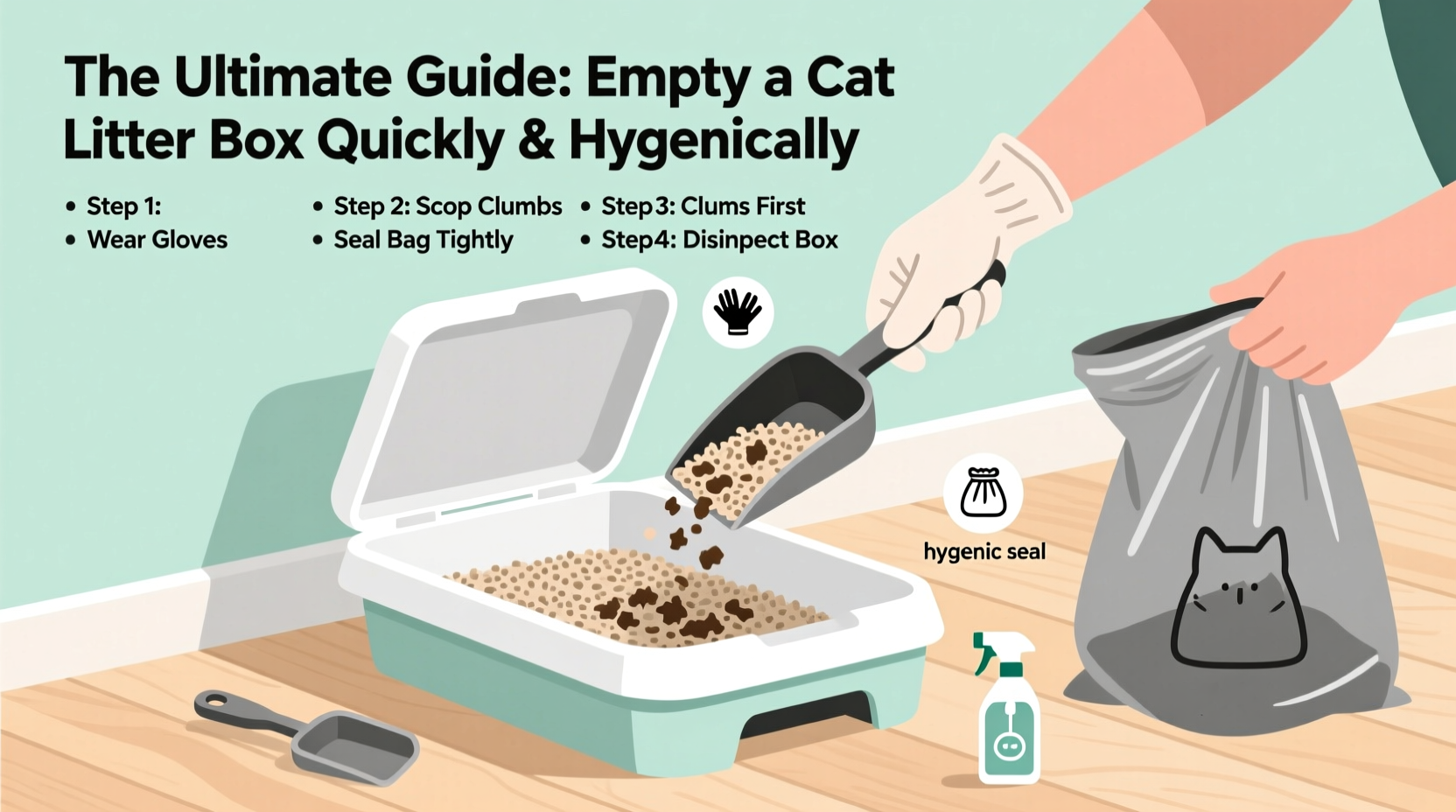
Cat feces and urine contain harmful pathogens like Toxoplasma gondii, ammonia, and E. coli. When left unattended, these compounds degrade air quality and increase infection risks—especially for pregnant individuals and immunocompromised people. According to the CDC, improper handling of cat waste contributes to over 400 reported cases of toxoplasmosis annually in the U.S. alone.
Speed matters because prolonged exposure to waste increases odor buildup and bacterial growth. A study published in the Journal of Feline Medicine and Surgery found that litter boxes cleaned at least once daily had 67% fewer microbial colonies than those cleaned every other day. Fast, consistent cleaning also encourages cats to use the box properly, reducing accidents outside the box due to aversion.
The Step-by-Step Process for Quick & Hygienic Disposal
- Gather Supplies Before You Begin
Have your litter scoop, trash bag, liner (if used), disinfectant spray, paper towels, and replacement litter ready. Preparing everything ahead prevents mid-clean interruptions. - Remove Solid Waste Daily
Use a fine-toothed scoop to extract clumps and solids. Work from front to back in smooth strokes to minimize dust dispersion. Seal waste in a small, tied plastic bag immediately. - Spot-Clean Urine Residue
If any damp spots remain on the box walls, wipe them with a disinfectant-safe cloth. Avoid ammonia-based cleaners—they mimic cat urine scent and may encourage re-marking. - Deep Clean Weekly
Once a week, dump all remaining litter. Wash the box with warm water and mild, unscented soap. Rinse thoroughly and dry completely before refilling. - Refill with Fresh Litter
Add 3–4 inches of new litter. This depth supports natural digging behavior while minimizing overflow.
Choosing the Right Tools for Efficiency
Not all scoops and liners are created equal. Using the wrong equipment slows you down and increases contamination risk. Here’s what works best:
| Tool | Recommended Type | Avoid |
|---|---|---|
| Scoop | Fine-mesh, ergonomic handle with curved edge | Flat, wide-hole scoops that let litter fall through |
| Liner | Heavy-duty, biodegradable liners with drawstring | Thin grocery bags or flimsy plastic that tear easily |
| Disinfectant | Diluted vinegar solution or enzymatic cleaner | Bleach (unless thoroughly rinsed) or scented sprays |
| Trash Container | Sealed, foot-operated bin with odor filter | Open-top bins or kitchen trash without lid |
“Efficiency starts with tool selection. A high-quality scoop can cut cleaning time in half while improving hygiene.” — Dr. Lena Patel, DVM, Feline Wellness Specialist
Pro Tips to Minimize Mess and Maximize Hygiene
- Place a rubber mat under the litter box to catch stray granules. Shake the mat into the trash weekly.
- Wash your hands with antibacterial soap immediately after cleaning—even if you wore gloves.
- Store extra litter in sealed containers away from moisture to prevent clumping and mold.
- Change the entire litter batch every 2–3 weeks, even if it looks clean. Odor builds up invisibly.
- Never flush cat waste down the toilet unless the litter is explicitly labeled flushable—and even then, check local regulations.
Real-World Example: How Sarah Reduced Cleanup Time by 60%
Sarah, a nurse and owner of two Persian cats, used to spend 12 minutes each morning cleaning her litter boxes. She struggled with tracked litter, lingering smells, and frequent box avoidance by one of her cats. After switching to a fine-mesh scoop, adding a washable mat, and adopting a nightly dumping schedule, she streamlined the process.
Now, she removes waste each morning in under 5 minutes. She lines her box with a compostable bag, allowing her to lift and seal waste without touching the container. Her cats consistently use the box, and her hallway stays free of debris. “It’s not about doing more,” she says. “It’s about doing it smarter.”
Essential Checklist for Every Litter Box Session
- ☑ Wear disposable or dedicated cleaning gloves
- ☑ Scoop solids and clumps promptly
- ☑ Wipe interior walls if needed
- ☑ Seal waste in a double-lined bag
- ☑ Replace any spilled litter
- ☑ Wash hands thoroughly afterward
- ☑ Empty all litter into sealed outdoor trash
- ☑ Wash box with warm water and mild soap
- ☑ Rinse and dry completely
- ☑ Inspect for cracks or odor retention
- ☑ Replace liner if used
Frequently Asked Questions
Can I reuse old litter that isn’t clumped?
No. Even unused litter absorbs urine vapor and bacteria over time. Reusing it compromises hygiene and increases odor. Always replace fully during deep cleans.
How do I stop my cat from kicking litter everywhere?
Use a larger box with higher sides or a hooded model. Place a textured mat around the perimeter to trap granules. Some brands offer low-tracking formulas made with compressed paper or wood pellets.
Is it safe to compost cat waste?
Only in dedicated, hot compost systems designed for pet waste—and never for edible plants. Most home compost piles don’t reach temperatures high enough to kill parasites. When in doubt, dispose of waste in sealed trash.
Final Thoughts: Turn a Chore Into a Seamless Habit
Emptying a cat litter box doesn’t have to be messy, time-consuming, or unpleasant. With the right setup and routine, you can maintain a clean, odor-free environment in just minutes a day. The key is consistency, proper tools, and attention to detail. Your cat will reward you with better litter habits, and you’ll gain peace of mind knowing your home stays sanitary.




 浙公网安备
33010002000092号
浙公网安备
33010002000092号 浙B2-20120091-4
Comments
No comments yet. Why don't you start the discussion?