
Cell phone cases are among the most frequently touched personal items, yet they’re often overlooked when it comes to cleaning. Over time, they accumulate bacteria, oils, dust, and grime from daily use—sometimes harboring more germs than a toilet seat. Regularly cleaning your phone case not only improves hygiene but also extends its lifespan and keeps it looking fresh. The good news? You don’t need specialized products or expensive tools. With simple household supplies and the right techniques, you can maintain a clean, sanitized case in minutes.
Why Cleaning Your Phone Case Matters
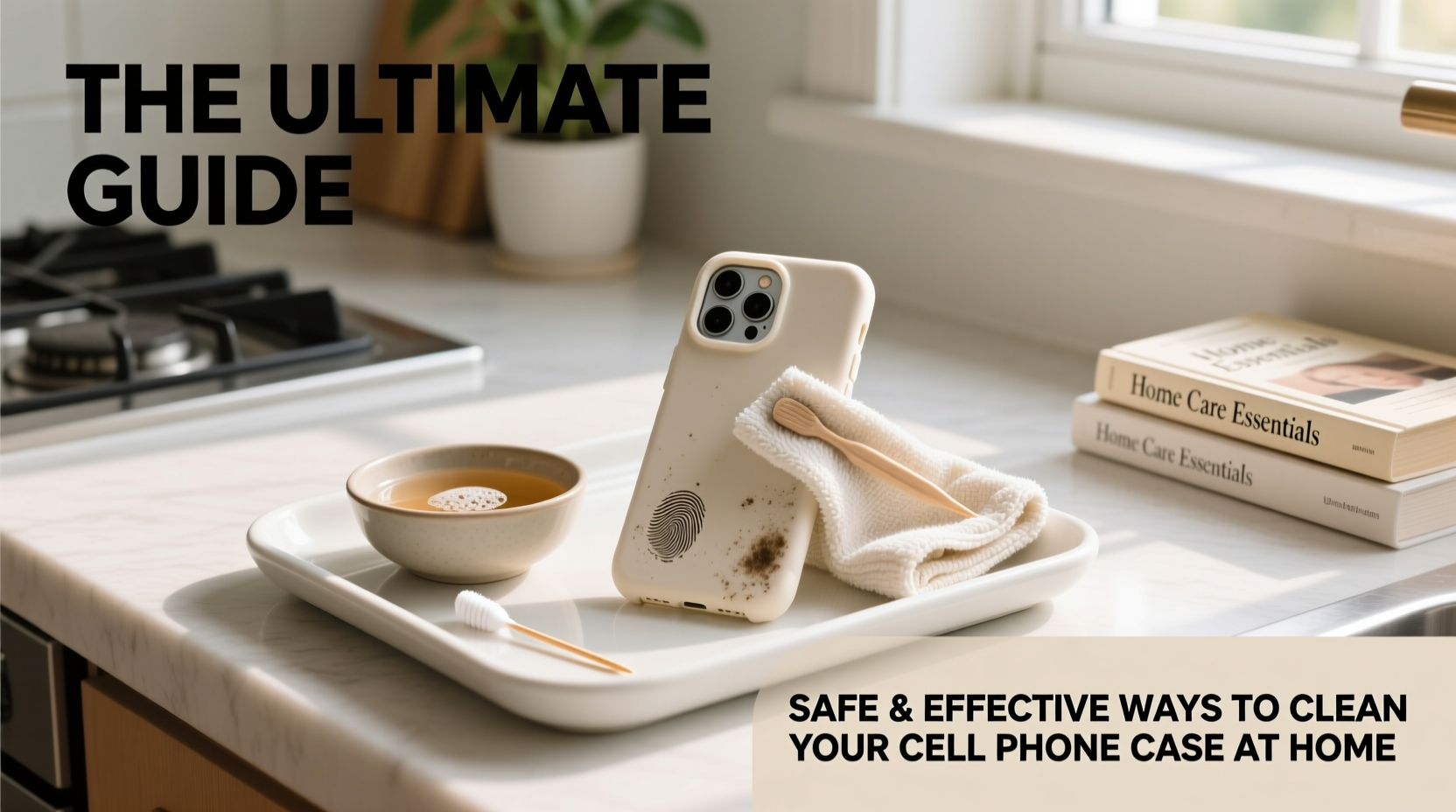
Your phone case is in constant contact with your hands, pockets, bags, and surfaces like tables and car dashboards. Studies by microbiologists have found that mobile devices—and their cases—can carry harmful pathogens such as E. coli, Staphylococcus, and even influenza viruses. Dr. Lisa Monteggia, a clinical microbiologist, explains:
“Phones are ideal environments for microbial growth due to warmth, frequent handling, and proximity to faces. A dirty case increases the risk of transferring germs to your skin and respiratory system.” — Dr. Lisa Monteggia, Clinical Microbiologist
Beyond health concerns, dirt buildup can degrade materials over time. Silicone becomes sticky, plastic yellows, and fabric cases develop odors. Regular maintenance prevents these issues and preserves both function and appearance.
Step-by-Step Guide to Cleaning Any Phone Case
Cleaning your phone case properly depends on the material. However, the following universal steps apply to all types before diving into specific care routines.
- Remove the case from your phone – Always detach the case completely to avoid exposing sensitive electronics to moisture or cleaning agents.
- Shake off loose debris – Tap the case gently or use a soft brush (like a clean toothbrush) to dislodge dust and crumbs from corners and ports.
- Inspect for damage – Look for cracks, peeling, or warping. Severely damaged cases should be replaced, as they can harbor bacteria in crevices.
- Choose the appropriate cleaning method based on material (detailed below).
- Dry thoroughly – Air-dry upside down on a clean towel for at least 30 minutes before reattaching to your device.
How to Clean Different Types of Phone Cases
Not all phone cases react the same way to cleaning agents. Using the wrong method can discolor, warp, or degrade your case. Below is a breakdown of best practices by material.
Silicone and TPU (Rubber-Like) Cases
These flexible cases attract dust and become tacky over time. They respond well to mild soap and water.
- Wash with lukewarm water and a drop of dish soap.
- Use a soft-bristled toothbrush to scrub seams and edges.
- Rinse thoroughly and pat dry with a lint-free cloth.
- Avoid alcohol-based cleaners—they can accelerate stickiness.
Hard Plastic or Polycarbonate Cases
Rigid cases resist scratches but can yellow or stain. These tolerate slightly stronger cleaning.
- Soak in warm soapy water for 5–10 minutes.
- Wipe with a microfiber cloth dampened with isopropyl alcohol (70%).
- For stubborn stains, make a paste of baking soda and water; gently rub and rinse.
Leather and Faux Leather Cases
Leather requires gentle care to prevent drying and cracking.
- Dampen a soft cloth with water and a small amount of leather-safe cleaner or mild soap.
- Wipe surface lightly—never soak.
- Buff with a dry microfiber cloth.
- Condition monthly with a leather conditioner to maintain suppleness.
Fabric or Mesh Cases
Prone to absorbing sweat and odors, fabric cases need deeper cleaning.
- Spot clean with a cloth dipped in soapy water.
- For machine-washable models, place in a mesh laundry bag and wash on cold, gentle cycle.
- Air dry completely—no direct heat or dryer use.
| Case Material | Safe Cleaners | Avoid | Drying Method |
|---|---|---|---|
| Silicone/TPU | Soap + water, microfiber cloth | Alcohol wipes, bleach, hot water | Air dry, 30+ minutes |
| Plastic/Polycarbonate | Isopropyl alcohol (70%), baking soda | Acetone, abrasive pads | Pat dry, then air dry |
| Leather/Faux Leather | Leather cleaner, damp cloth | Submersion, alcohol, ammonia | Wipe & buff immediately |
| Fabric/Mesh | Mild detergent, spot cleaning | Dryer, bleach, soaking | Air dry flat |
Mini Case Study: Reviving a Sticky Silicone Case
Jamie, a teacher from Portland, noticed her clear silicone phone case had turned yellow and felt increasingly sticky after six months of daily use. She tried wiping it with hand sanitizer, which made the problem worse. After researching safe methods, she followed this process:
- Removed the case and rinsed under lukewarm water.
- Used a soft toothbrush with dish soap to scrub every corner.
- Rinsed thoroughly and soaked in a 50/50 mix of water and white vinegar for 10 minutes.
- Washed again with soap, rinsed, and air-dried overnight.
The result: the case regained clarity and lost its stickiness. Jamie now cleans it every two weeks and stores it in a ventilated drawer when not in use. “I didn’t realize how much gunk was hiding in the edges,” she said. “Now I do a quick wipe-down weekly—it takes less than two minutes.”
Essential Tips for Long-Term Case Care
Prevention is just as important as cleaning. Incorporate these habits to keep your case in top condition:
- Wash your hands before handling your phone to reduce oil transfer.
- Avoid placing your phone face-down on dirty surfaces.
- Rotate between two cases to extend the life of each.
- Keep cases away from extreme heat (e.g., car dashboards), which accelerates degradation.
- Replace cracked or warped cases immediately—they’re harder to clean and may not protect your phone.
Frequently Asked Questions
Can I use Clorox wipes on my phone case?
Yes—but with caution. Only use on hard plastic or polycarbonate cases. Avoid applying directly to silicone, leather, or fabric, as the bleach content can cause deterioration. Wipe, then rinse with water and dry thoroughly.
How often should I replace my phone case?
Every 6 to 12 months with regular use. Signs it’s time to replace include persistent stickiness, visible cracks, fading, or poor fit. More frequent replacement is advised for shared devices or high-exposure settings.
Is it safe to use UV sanitizers on phone cases?
UV-C sanitizing boxes are generally safe for most case materials and effective at killing surface bacteria. However, prolonged or daily UV exposure may fade colors or weaken plastics over time. Use 2–3 times per week rather than daily.
Final Checklist: Your Weekly Phone Case Maintenance Routine
- Remove case from phone.
- Tap out debris or brush with a clean toothbrush.
- Wash with appropriate cleaner based on material.
- Rinse (if applicable) and wipe dry.
- Air-dry completely before reattaching.
- Inspect for wear and tear.
- Sanitize phone screen while case is off.
Take Control of Your Digital Hygiene Today
Your phone case plays a crucial role in protecting your device—and your health. With minimal effort and the right knowledge, you can keep it clean, functional, and fresh-looking for months. Don’t wait until it’s visibly grimy or sticky. Build a simple cleaning habit into your routine, just like charging your phone at night. Small actions today prevent bigger problems tomorrow. Start tonight: take off your case, give it a proper clean, and feel the difference a little care can make.




 浙公网安备
33010002000092号
浙公网安备
33010002000092号 浙B2-20120091-4
Comments
No comments yet. Why don't you start the discussion?