
Accurately measuring your home’s square footage is more than a numbers game—it directly impacts property value, resale potential, and buyer perception. Whether you’re preparing to sell, refinancing, or simply want to understand your living space better, precise measurements are essential. Many homeowners rely on tax records or listing data, but discrepancies are common. This guide walks through the correct methodology, industry standards, and practical steps to ensure your home’s square footage is calculated with confidence.
Why Accurate Square Footage Matters
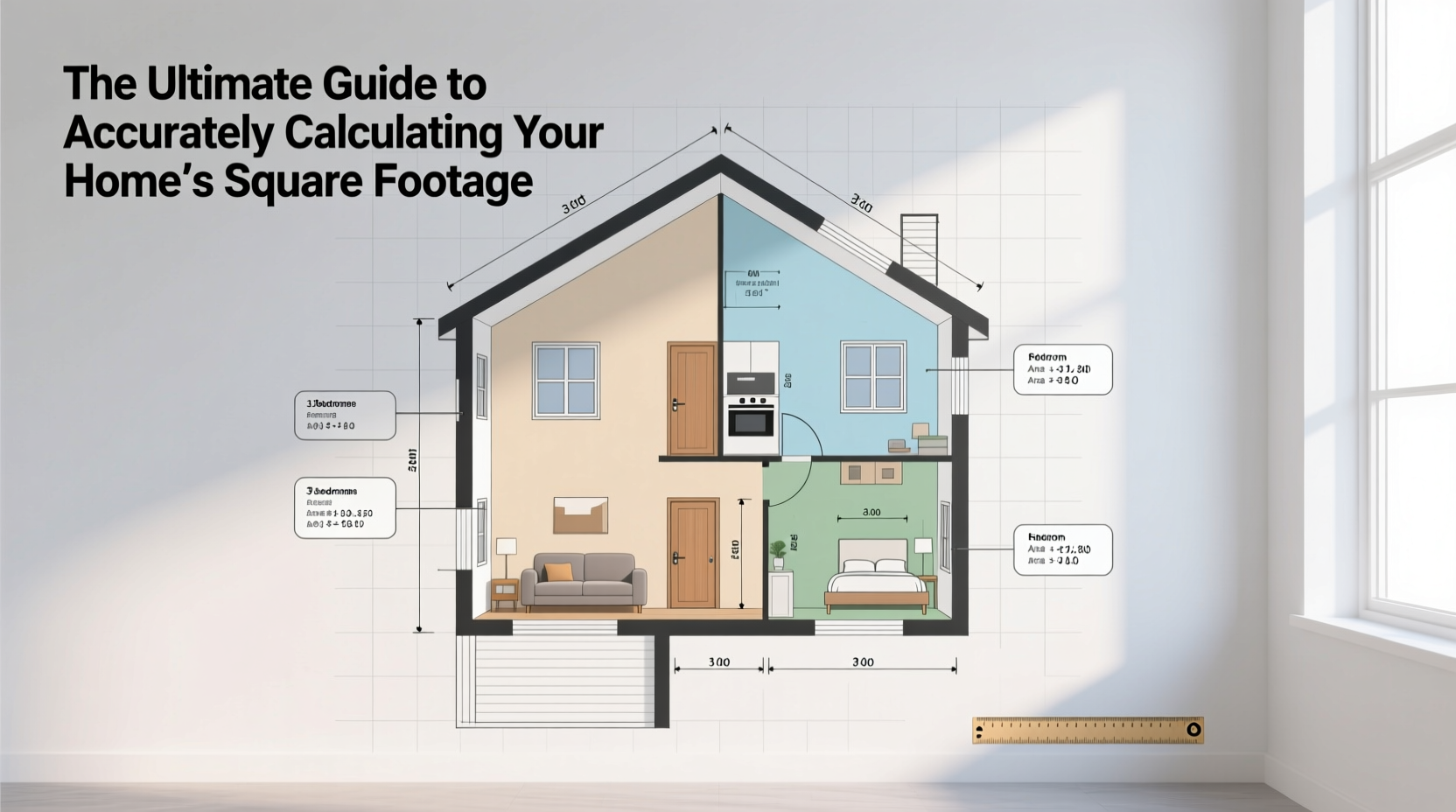
Square footage isn’t just a number on a listing; it influences mortgage approvals, property taxes, insurance premiums, and comparative market analysis. Overstating size can lead to pricing issues and legal complications, while understating it may cost you thousands in lost equity. Real estate professionals, appraisers, and lenders follow specific guidelines when determining livable area, and understanding these standards empowers homeowners to verify or challenge reported figures.
“Square footage accuracy is one of the top three factors affecting a home’s marketability and appraisal outcome.” — James Reynolds, Certified Residential Appraiser, MAI Designation
What Counts as Finished Living Space?
Not all interior space contributes to gross living area (GLA). The American National Standards Institute (ANSI) provides widely accepted guidelines for measuring residential square footage. According to ANSI Z765-2022, only finished, habitable areas above grade are included. Here’s what qualifies:
- Flooring (hardwood, tile, carpet—not concrete or dirt)
- Heating and cooling systems integrated with the main house
- Enclosed, weatherproof walls and ceilings
- Minimum ceiling height of 7 feet (with exceptions for sloped ceilings)
- Direct access from other living areas (no exterior-only entry)
Common spaces that do not count toward official square footage include garages, unfinished basements, attics, porches, patios, pool houses, and detached guest suites—even if they’re furnished and used regularly.
Step-by-Step Guide to Measuring Your Home
Follow this systematic process to calculate your home’s square footage accurately. Use a laser measure for precision, though a standard tape measure works well too.
- Gather tools: Tape measure or laser distance measurer, notepad, floor plan sketch, calculator.
- Draw a rough floor plan: Sketch each level separately, labeling rooms and hallways.
- Measure exterior walls: For rectangular homes, multiply length by width per floor. For complex layouts, break the home into measurable rectangles.
- Calculate individual room areas: Multiply length × width for each room, then sum totals per floor.
- Exclude non-livable areas: Subtract space occupied by garages, unheated sunrooms, or unfinished sections.
- Add floors together: Combine totals from basement (if finished and permitted), main level, and upper levels.
- Verify ceiling height compliance: Areas with ceilings below 5 feet don’t count; between 5–7 feet may be counted partially.
Handling Irregular Shapes
L-shaped rooms, bay windows, or angled walls require subdivision. Break odd-shaped spaces into geometric shapes (rectangles, triangles), calculate each, then add them. For example, a trapezoidal dining area can be split into a rectangle and a triangle. Use the formula: Area = ½ × base × height for triangular sections.
Do’s and Don’ts When Calculating Square Footage
| Do’s | Don’ts |
|---|---|
| Measure from the outside perimeter of the home | Include garage space in total square footage |
| Count closets, bathrooms, and hallways as part of room area | Count basement space unless it’s fully finished and up to code |
| Use consistent units (feet and inches converted to decimal feet) | Rely solely on tax assessor records without verification |
| Round final totals to the nearest whole number | Add square footage of a backyard studio without proper permits |
| Hire a professional for legal or appraisal purposes | Assume all “finished” basements meet GLA criteria |
Real Example: Correcting a Misreported Listing
In suburban Denver, a homeowner listed their colonial-style house at 2,800 sq ft based on an old builder blueprint. After receiving lowball offers, they hired an appraiser who recalculated using ANSI standards. The actual GLA was 2,450 sq ft—the original figure included a 300 sq ft garage and a 50 sq ft enclosed porch with a non-permitted electrical setup. By correcting the listing, the seller adjusted the price accordingly and closed faster, avoiding disputes during inspection. This case underscores how accurate measurement builds trust and streamlines transactions.
When to Hire a Professional
While DIY measurement is possible, certain situations warrant hiring a licensed appraiser or certified measurer:
- You’re selling and need legally defensible numbers
- Planning a major renovation or addition
- Disputing property tax assessments
- Applying for a home equity loan or refinance
- Your home has complex architecture or multi-level designs
Professionals use calibrated tools, adhere to ANSI or local standards, and provide documentation acceptable to lenders and municipalities. Their fees typically range from $150 to $400 depending on location and home size.
FAQ
Does basement space count in square footage?
Only if it’s fully finished, has legal egress (like a window or door to the outside), is heated/cooled like the rest of the house, and is at or above grade. Below-grade basements are often listed separately and do not contribute to main-floor GLA.
Can I include my sunroom?
If the sunroom is permanently enclosed, insulated, and connected to the home’s HVAC system, it may count. However, if it’s only accessible from outdoors or lacks proper foundation integration, it won’t qualify as living space under most standards.
Why do my county records show different square footage?
Tax assessors often use outdated blueprints or exterior dimensions without verifying interior conditions. They may also include non-livable areas. Always verify with current, on-site measurements before relying on public records.
Checklist: How to Ensure Your Square Footage Is Accurate
- ☐ Measure each floor individually using exterior wall dimensions
- ☐ Confirm all included spaces meet ANSI criteria for finished living area
- ☐ Exclude garages, outdoor-access-only rooms, and unfinished areas
- ☐ Verify ceiling heights meet minimum standards (7 feet for flat ceilings)
- ☐ Compare your results with tax records and listing data
- ☐ Consult a professional if discrepancies exceed 5% or for legal needs
- ☐ Keep detailed notes, sketches, and photos for future reference
Final Thoughts
Calculating your home’s square footage correctly protects your financial interests and ensures transparency in any real estate transaction. While it may seem straightforward, subtle details—like ceiling height, heating integration, and access points—can significantly affect what counts. Taking the time to measure properly, understand the standards, and consult experts when needed pays dividends in accuracy and credibility.




 浙公网安备
33010002000092号
浙公网安备
33010002000092号 浙B2-20120091-4
Comments
No comments yet. Why don't you start the discussion?