
Custom commands are the backbone of interaction in a thriving Twitch community. Whether you're sharing your schedule, explaining inside jokes, or automating frequent responses, well-crafted commands reduce chat clutter and deepen viewer engagement. For streamers looking to build a professional presence, mastering command creation isn’t optional—it’s essential. This guide walks through every step of setting up, organizing, and optimizing custom commands using popular tools like Nightbot, Streamlabs Chatbot, and BetterTTV.
Why Custom Commands Matter
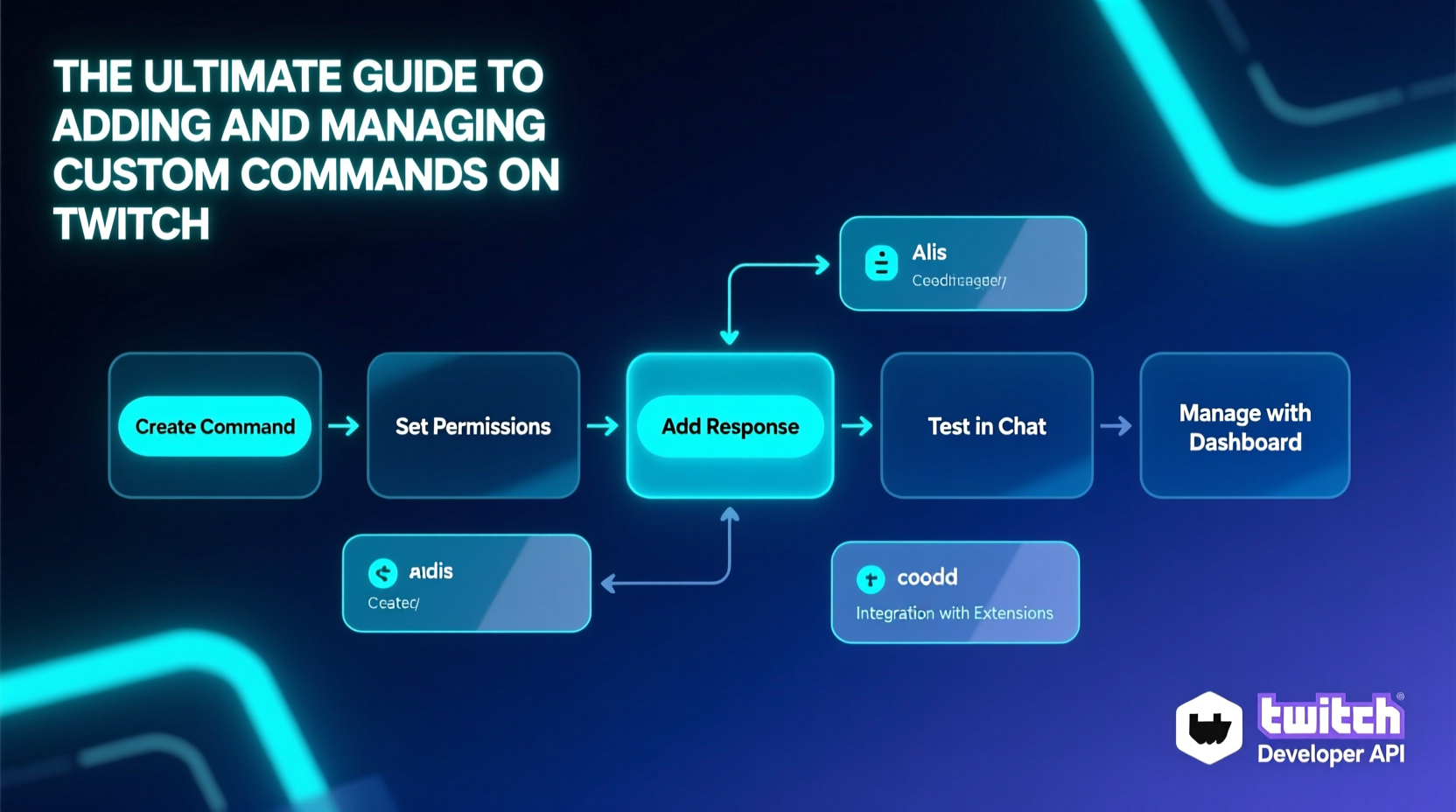
Every streamer eventually faces repetitive questions: “What game are you playing?” “Where’s your Discord?” “How do I apply for mod?” Answering these manually eats into valuable interaction time. Custom commands automate these replies, ensuring consistency while freeing you to focus on gameplay and conversation.
Beyond efficiency, commands strengthen community identity. Unique phrases, memes, or personalized greetings give your channel a distinct voice. When viewers use !so to shout out fellow chatters or trigger a fun fact about your pet iguana, they’re not just interacting—they’re participating in your world.
“Automation doesn’t make streams impersonal. It creates space for more meaningful human moments.” — Jordan Lee, Community Growth Strategist at StreamFuel
Choosing the Right Bot Platform
Before creating commands, select a reliable bot service. Each platform offers different features, permissions, and integration depth. Here's a comparison of the most widely used options:
| Bot | Free Features | Premium Cost | Custom Command Limits (Free) | Best For |
|---|---|---|---|---|
| Nightbot | 50 custom commands, moderation, song requests | $9.99/month | 50 | Beginners, general automation |
| Streamlabs Chatbot | Unlimited commands, Python scripting, alerts | $14.99/month | Unlimited | Advanced users, deep integrations |
| Wizebot | 30 commands, moderation, giveaways | $7.99/month | 30 | Small-to-mid-sized channels |
| PhantomBot | Fully open-source, unlimited commands | Free | Unlimited | Developers, self-hosters |
Nightbot remains the most beginner-friendly option due to its intuitive dashboard and broad compatibility. Streamlabs Chatbot excels if you want dynamic commands that pull data from APIs or respond differently based on user roles.
Step-by-Step: Creating Your First Custom Command
Let’s walk through setting up a basic command using Nightbot as an example. The process is similar across most platforms.
- Connect your bot to Twitch: Visit nightbot.tv, log in with your Twitch account, and authorize the bot to join your channel.
- Access the command panel: Navigate to Dashboard > Commands.
- Create a new command: Click “+” to add a command. Name it with a prefix like !discord.
- Set the response: Enter the message you want the bot to send. Example: “Join our community here: discord.gg/yourlink”.
- Configure permissions: Decide who can use or edit the command. Most default to “Everyone,” but restrict editing to mods or admins.
- Save and test: Type !discord in your chat to verify the bot responds correctly.
Once functional, expand beyond static text. Use variables to personalize responses. For instance:
$(user)inserts the username of the person triggering the command.$(count)tracks how many times a command has been used.$(game)pulls your current game from Twitch’s API.
A dynamic welcome command like !welcome could respond: “Hey $(user), welcome to the stream! We’re currently playing $(game). Don’t forget to check out our Discord!”
Organizing and Managing Commands at Scale
As your channel grows, so will your command list. Without structure, maintenance becomes chaotic. Implement these practices early:
Use a Naming Convention
Group related commands with prefixes:
!info_schedule,!info_rules!social_yt,!social_tiktok
This makes them easier to filter and update in bulk.
Document Internally
Maintain a spreadsheet tracking each command’s purpose, response, permissions, and last update date. Include notes like “Updated after schedule change – Jan 2024.”
Review Monthly
Remove outdated commands (e.g., for discontinued games or expired giveaways). Archive old responses in case you need to restore them.
“We audit our commands every first Sunday. It keeps our chat clean and prevents confusion.” — Taylor Reyes, Moderator for @PixelParadoxLive
Advanced Command Ideas to Boost Engagement
Move beyond basics with creative uses that entertain and inform:
- !fact: Share rotating trivia about your life, favorite games, or pop culture.
- !quote: Let viewers recall memorable moments from past streams.
- !uptime: Automatically display how long your stream has been live using
$(uptime). - !lastwin: Pull recent win data from a game API or manual input.
- !challenge: Announce weekly viewer goals (“We’ve donated $212—only $88 to unlock the next game!”).
For tech-savvy streamers, combine Streamlabs Chatbot with JavaScript or Python scripts to generate random responses, roll dice, or track in-stream events like boss kills.
Mini Case Study: Growing Engagement with Smart Commands
When streamer MiaKoi transitioned from casual gaming to full-time streaming, her chat became overwhelming. Viewers repeated questions, and she missed opportunities to engage. She implemented six core commands: !schedule, !setup, !discord, !rules, !so (shoutout), and !meme.
Within three weeks, mod workload dropped by 40%. The !meme command, which rotated funny GIF links monthly, became a fan favorite. She later added !goal to show donation progress, which increased contributions by 22% during charity events. By reducing friction and adding playful elements, her average viewer retention rose from 18 to 27 minutes.
Common Pitfalls to Avoid
Even experienced streamers make mistakes when managing commands. Steer clear of these:
- Overloading chat: Too many automated messages feel robotic. Balance bot activity with organic interaction.
- Ignoring permissions: Allowing everyone to edit commands risks sabotage. Restrict editing to trusted roles.
- Using unclear triggers: Avoid ambiguous names like !helpme. Use descriptive ones like !apply_mod instead.
- Forgetting mobile users: Keep responses concise. Long paragraphs are hard to read on phones.
FAQ
Can I have the same command on multiple bots?
Yes, but avoid redundancy. If both Nightbot and Streamlabs respond to !discord, chat gets cluttered. Disable duplicates or assign different functions.
How do I prevent command abuse?
Set usage cooldowns, limit command access by user role (e.g., only subs can use !color), and monitor logs regularly. Most bots offer anti-spam filters.
Can commands pull live data from other sites?
Yes—bots like Streamlabs Chatbot support API calls. You can display your latest YouTube upload, Twitter post, or even weather in your city using custom scripts.
Final Checklist: Launch-Ready Command Setup
- Choose a bot platform and connect it to your channel.
- Create essential commands: social links, rules, schedule, and common Q&A.
- Add 1–2 fun or community-driven commands (e.g., !meme, !fact).
- Set proper permissions and cooldowns.
- Test all commands in a live or staging environment.
- Document your command list for future reference.
- Schedule monthly reviews to update or remove outdated entries.
Conclusion
Custom commands are more than convenience tools—they’re foundational to building a responsive, lively Twitch community. When set up thoughtfully, they reflect your brand, empower your mods, and give viewers a sense of belonging. Whether you're streaming to dozens or thousands, investing time in command management pays off in smoother broadcasts and deeper connections.




 浙公网安备
33010002000092号
浙公网安备
33010002000092号 浙B2-20120091-4
Comments
No comments yet. Why don't you start the discussion?