
A Cuban link chain is more than a fashion statement—it’s a symbol of craftsmanship, value, and personal style. But with rising demand comes an influx of counterfeit versions that mimic appearance but lack quality, durability, and authenticity. Whether you’re investing thousands or simply want assurance in your purchase, knowing how to distinguish a genuine Cuban link chain from a fake is essential. This guide delivers actionable, field-tested methods used by jewelers, appraisers, and seasoned collectors to verify authenticity with confidence.
Understanding What Makes a Cuban Link Chain Authentic
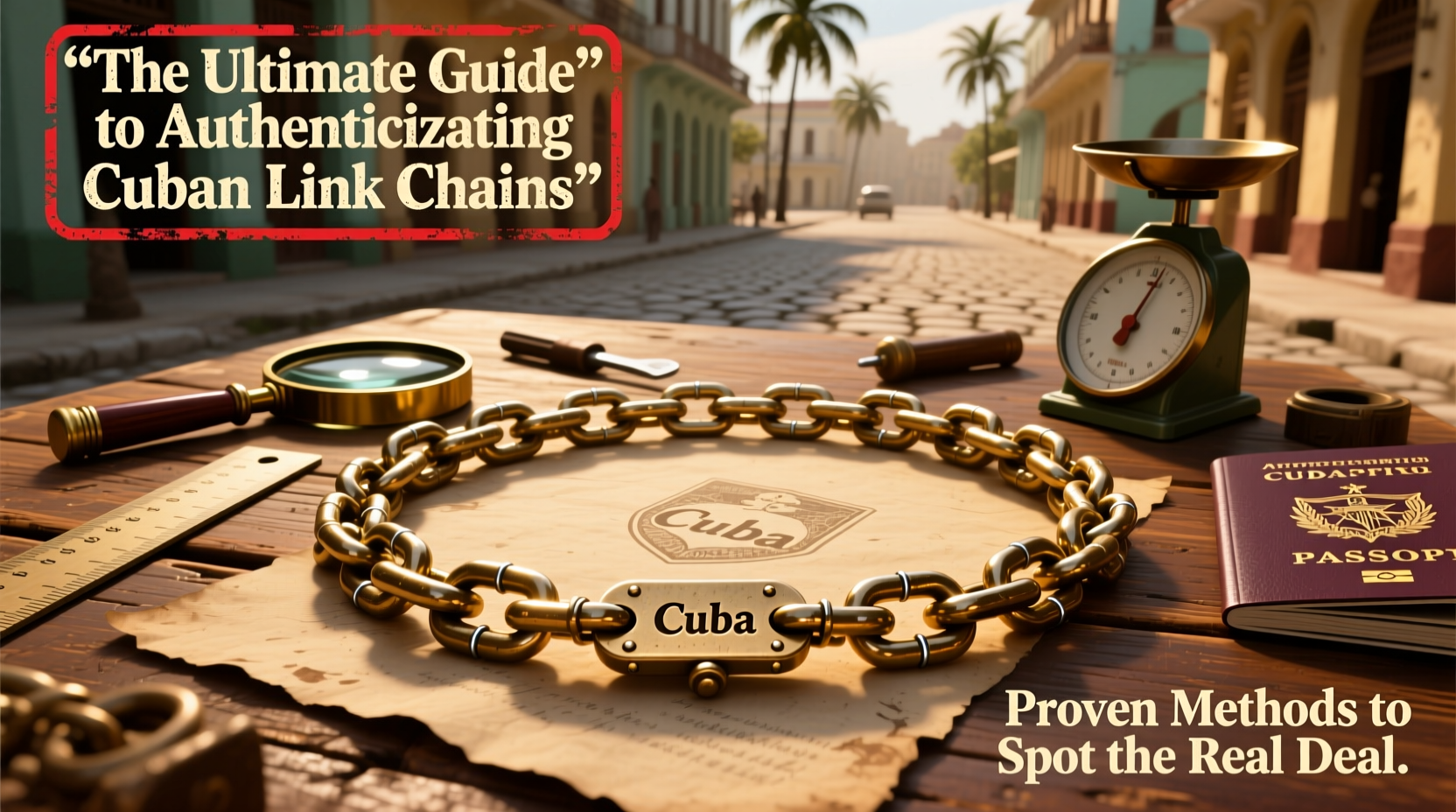
The hallmark of a true Cuban link chain lies in its construction, materials, and finish. Originating in Miami’s Cuban-American communities, these chains are known for their thick, interlocking twisted cables that form a solid, flexible rope. Authentic pieces are typically made from solid gold (14k or 18k), platinum, or high-grade stainless steel for non-precious variants. The links are uniformly shaped, tightly connected, and polished to a mirror-like shine.
Fake chains often use hollow construction, base metals like brass or copper coated with gold plating, and uneven link patterns. These shortcuts reduce cost but compromise longevity and appearance. A single glance may not reveal the truth—scrutiny at multiple levels is required.
Step-by-Step Inspection Process
Authenticating a Cuban link chain isn’t guesswork. Follow this systematic approach to evaluate every critical component.
- Check the Weight: Solid gold or platinum chains have noticeable heft. A lightweight chain—even if it looks shiny—is likely hollow or made from low-density alloys.
- Examine the Links: Each link should be uniform in size, shape, and twist direction. Gaps between links or inconsistent thickness indicate poor craftsmanship.
- Inspect the Clasp: Real chains use secure, well-finished clasps (usually lobster or spring ring). Wobbly, thin, or misaligned clasps are red flags.
- Look for Hallmarks: Legitimate chains are stamped with purity marks (e.g., “14K,” “585” for 14k gold, “750” for 18k) and manufacturer’s ID. Absence of stamps suggests forgery.
- Assess the Finish: Authentic polishing is smooth and consistent. Fake chains often show brush marks, pitting, or orange-peel texture under magnification.
Real Example: The $3,000 Mistake
Mark, a first-time buyer, purchased what he believed was a 14k gold Cuban link online for $2,900—a steep discount compared to retail. Upon delivery, the chain looked impressive, but something felt off. It weighed less than his friend’s similar chain. He took it to a local jeweler who confirmed it was gold-plated brass with no internal structure. Worse, there were no hallmarks. Mark lost nearly three grand on a piece that couldn’t pass a basic magnet test. His mistake? Skipping verification before payment.
Material Testing Methods You Can Use
Visual checks are just the beginning. To confirm metal composition, apply one or more of these reliable tests.
| Test Method | How It Works | Reliability | Caution |
|---|---|---|---|
| Magnet Test | Hold a strong magnet near the chain. Real gold and platinum are non-magnetic. | High (for ferrous metals) | Won’t detect gold-plated tungsten; only rules out iron/steel cores |
| Scratch/Acid Test | Lightly scratch inconspicuous area and apply testing acid. Color change indicates metal type. | Very High | Destructive—best done by professionals |
| XRF Analyzer | Uses X-ray fluorescence to determine elemental composition without damage. | Extremely High | Requires specialized equipment (available at pawn shops and jewelers) |
| Float Test | Drop chain in water. Real gold sinks immediately due to density (~19.3 g/cm³). | Moderate | Hollow fakes may also sink; not definitive alone |
“Over 60% of ‘gold’ chains brought in for appraisal fail material verification. Buyers trust aesthetics over evidence—and pay the price.” — Rafael Mendez, Certified Gemologist & Jewelry Appraiser, Miami Jewel Guild
Do’s and Don’ts When Buying a Cuban Link Chain
Navigating the market requires both knowledge and discipline. Avoid common pitfalls with this checklist.
| Do’s | Don’ts |
|---|---|
| Buy from reputable jewelers with physical stores or verified online presence | Don’t rely solely on photos or influencer endorsements |
| Request a detailed invoice listing metal type, weight, and hallmark | Don’t accept vague terms like “gold tone” or “luxury finish” |
| Verify the chain in person or through third-party grading services (e.g., IGI, GIA for precious metals) | Don’t skip independent lab testing for high-value purchases |
| Compare price per gram with current gold market rates | Don’t assume low prices mean a good deal—underpricing is a major red flag |
Spotting Fakes Online: E-Commerce Red Flags
Online shopping increases risk due to limited sensory feedback. Counterfeiters exploit this with professional photography and misleading descriptions. Watch for these signs:
- Vague product titles: “Luxury Cuban Chain,” “Heavy Gold-Look Rope” avoid stating metal type.
- No close-up detail shots: Missing hallmark images or macro views of links suggest they have something to hide.
- Unrealistic shipping times: “Ships from USA” but delivered in 3 days from China? Likely drop-shipped counterfeit.
- Over-the-top reviews: “Best gold ever!” with stock photos as avatars signal fake testimonials.
- No return policy or warranty: Legitimate sellers offer at least 14-day returns and authenticity guarantees.
If buying online, choose platforms with buyer protection (e.g., eBay Money Back Guarantee, Shopify stores with SSL encryption) and always request video confirmation of hallmarks before finalizing payment.
FAQ: Common Questions About Authenticating Cuban Link Chains
Can a Cuban link chain be real gold and still tarnish?
Yes. Even solid gold can dull or develop surface oxidation over time, especially 14k which contains alloy metals. Regular cleaning with mild soap and water restores shine. Tarnishing doesn’t mean it’s fake—but flaking or green skin residue does.
Are all Cuban link chains heavy?
Authentic solid-metal chains are significantly heavier than fakes. However, weight depends on length, width, and karat. A 24-inch, 10mm 14k gold Cuban link typically weighs 80–120 grams. Compare against verified specs before judging.
Is a hallmark enough to prove authenticity?
No. While hallmarks are important, they can be forged. Some counterfeiters laser-stamp “14K” onto plated chains. Always combine hallmark verification with weight, magnet, and professional testing.
Final Checklist: How to Confirm Your Chain Is Real
Before wearing or reselling, run through this authentication checklist:
- ✅ Visible, legible hallmark matching claimed metal purity
- ✅ Consistent, tight link pattern with no gaps or deformities
- ✅ Significant weight relative to size and length
- ✅ Non-magnetic response (passes magnet test)
- ✅ Professional verification via XRF or acid test (if valuable)
- ✅ Secure, branded clasp with smooth operation
- ✅ Purchase from trusted source with receipt and return option
Conclusion: Protect Your Investment With Knowledge
A Cuban link chain is a timeless accessory, but its value hinges entirely on authenticity. Relying on appearances alone leaves you vulnerable to costly deception. By mastering material identification, understanding construction details, and applying practical verification techniques, you gain the upper hand in any transaction. Whether you're building a collection, giving a gift, or treating yourself, insist on proof—not promises. Authenticity isn’t optional—it’s the foundation of true value.




 浙公网安备
33010002000092号
浙公网安备
33010002000092号 浙B2-20120091-4
Comments
No comments yet. Why don't you start the discussion?