
Nike has long stood at the pinnacle of athletic innovation, and its Nike Tech line—encompassing apparel, footwear, and performance wear—represents a fusion of style, function, and cutting-edge design. But as demand for these premium products soars, so does the flood of counterfeit versions flooding online marketplaces and street vendors. Distinguishing real from fake isn’t just about protecting your wallet—it’s about ensuring quality, durability, and brand integrity. This guide delivers actionable, field-tested methods used by collectors, sneaker experts, and authentication services to verify authenticity with precision.
Why Authenticity Matters in Nike Tech
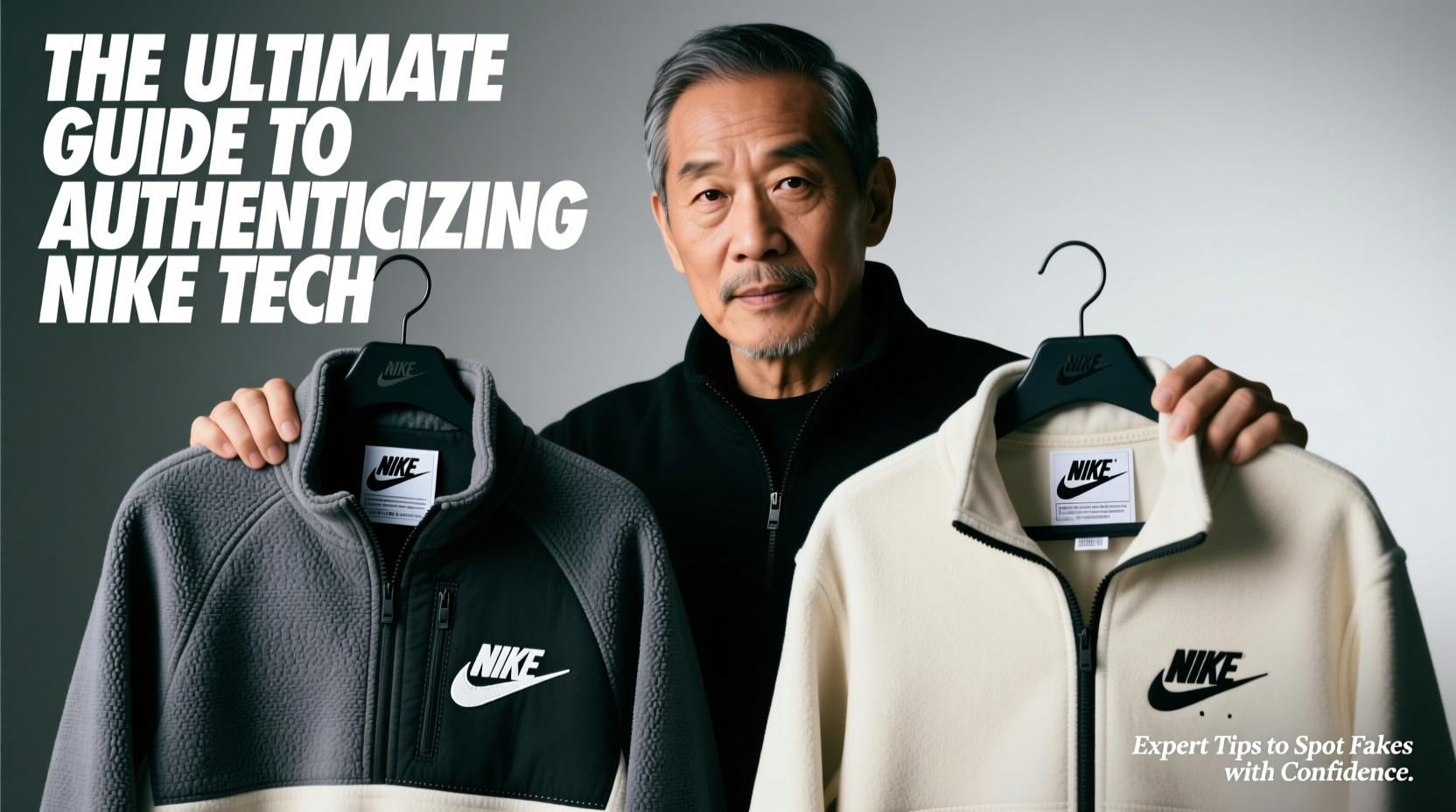
Nike invests heavily in research, materials, and craftsmanship. From moisture-wicking fabrics in Tech Fleece to precision-engineered cushioning in Tech React shoes, every detail serves a purpose. Counterfeits, however, often cut corners—using subpar stitching, incorrect dyes, or flawed midsoles that degrade quickly. Beyond performance, wearing knockoffs risks supporting unethical labor practices and intellectual property theft. More practically, reselling inauthentic items can lead to bans on platforms like StockX or GOAT.
“Authenticity verification is no longer optional—it’s essential. The sophistication of fakes today means even seasoned buyers get fooled.” — Marcus Lin, Senior Authenticator at LegitCheck Pro
The 7-Point Inspection Framework
To consistently detect fakes, follow this structured approach. Each point targets a common weak spot in counterfeit manufacturing.
- Stitching & Seam Quality: Genuine Nike Tech garments feature even, tight stitching with no loose threads. Fake versions often have uneven spacing, skipped stitches, or visible glue residue.
- Tag & Label Accuracy: Check the size tag font, placement, and content. Originals use specific sans-serif typefaces and include correct care symbols and country-of-origin codes (e.g., “VN” for Vietnam, not “CHINA” unless verified).
- Fabric Texture & Weight: Nike Tech Fleece uses a bonded tri-layer construction. It should feel substantial but flexible. Counterfeits often feel plasticky or overly thin.
- Logo Precision: The Swoosh must be symmetrical, properly aligned, and consistent with the product era. Use official product images from nike.com as reference.
- Holographic Hang Tags (for select models): Tilt the tag under light—the Swoosh should shift color smoothly. Fakes often have flat, printed versions without depth.
- Sole Construction (Footwear): In Tech React or Air-based models, examine air bubble patterns, rubber density, and foam compression. Real soles resist indentation; fakes compress too easily.
- Box & Packaging Details: Authentic boxes have crisp printing, correct SKU labels, and matching serial numbers. Ink smudging or mismatched fonts are red flags.
Spotting Fakes: A Real-World Case Study
Consider the case of James R., a collector based in Chicago, who purchased a pair of Nike Tech React Element 87s from a third-party seller on a popular resale app. The price was 30% below market value, and the photos looked convincing. Upon delivery, he noticed three discrepancies: the heel counter lacked structural rigidity, the insole text was slightly misaligned, and the box had a barcode that didn’t match Nike’s standard format. He submitted the item to a third-party authenticator, who confirmed it was a Grade B replica—well-made but using inferior foam and incorrect mold dimensions. By applying the 7-point checklist, James avoided a $180 loss and reported the seller, preventing further fraud.
Do’s and Don’ts When Buying Nike Tech
| Do’s | Don’ts |
|---|---|
| Buy directly from Nike.com or authorized retailers (Foot Locker, JD Sports) | Trust deals that seem “too good to be true” |
| Request multiple high-resolution photos of tags, seams, and packaging | Accept vague descriptions like “authentic guaranteed” without proof |
| Use free authentication services before finalizing resale purchases | Ignore mismatched batch codes between shoe and box |
| Verify the seller’s return policy and history | Assume new condition equals genuine—fakes are often sold unworn |
Step-by-Step: How to Authenticate a Nike Tech Hoodie
Follow this timeline when inspecting a pre-owned or resale Nike Tech hoodie:
- Day 1 – Visual Inspection: Examine the Swoosh embroidery under bright light. Real logos have clean edges and consistent thread density.
- Day 1 – Tag Check: Flip the inside label. Font should be sharp, black-on-white, with no pixelation. Country code must align with known production regions.
- Day 1 – Fabric Test: Stretch the cuff gently. Authentic ribbing recovers its shape immediately. Counterfeit elastic often sags.
- Day 2 – Stitch Analysis: Use a magnifying glass if needed. Genuine pieces have 10–12 stitches per inch; fakes rarely exceed 8.
- Day 2 – Care Instructions: Verify washing symbols match Nike’s global standards. Incorrect icons (e.g., iron with dot) suggest a fake.
- Day 3 – Compare: Pull up official product images on the Nike website. Overlay mentally or digitally to check pocket placement, drawstring length, and hood shape.
- Final Step – Consult Community: Upload clear photos to trusted forums like r/SneakerAuthentication or Discord groups. Experienced members often spot issues within hours.
Expert Tools and Resources
While visual inspection is foundational, leverage digital tools for deeper verification:
- Nike SNKRS App: Compare release details, color codes (e.g., “Black/White-Anthracite”), and launch dates.
- StockX Price History: Sudden price drops may signal oversupply of fakes mimicking rare releases.
- UV Light Test: Some authentic insoles have invisible ink markers visible under UV light—a feature most replicas lack.
- Weight Comparison: Use a digital scale. A real Tech Fleece full-zip hoodie (size M) weighs approximately 680g; fakes often fall below 600g.
“The best authenticators aren’t born—they’re trained. Spend time handling real pairs, and the fakes will start jumping out at you.” — Diana Cho, Head of Authentication at SoleVerifier
FAQ: Common Questions About Nike Tech Authentication
Can I trust sellers who offer “100% authentic or your money back”?
Not always. While reputable sellers stand by their guarantees, many fraudulent ones disappear after payment. Always use platforms with buyer protection and independent verification.
Are all knockoffs easy to spot?
No. High-grade replicas (often called “UA” or “replicas”) use better materials and molds. These require close inspection of micro-details—like font kerning on tags or sole vent hole patterns—to detect.
Does Nike offer official authentication?
Nike does not provide consumer-facing authentication services. However, they collaborate with platforms like StockX and GOAT, which employ certified authenticators as part of their resale process.
Conclusion: Confidence Starts with Knowledge
Authenticating Nike Tech gear isn’t about memorizing every detail—it’s about developing a disciplined eye for consistency, quality, and brand standards. Whether you're investing in a limited-edition hoodie or refreshing your workout wardrobe, the ability to spot fakes empowers smarter, safer decisions. The tools and techniques outlined here are used daily by professionals who handle thousands of pairs each year. Now, they’re yours.




 浙公网安备
33010002000092号
浙公网安备
33010002000092号 浙B2-20120091-4
Comments
No comments yet. Why don't you start the discussion?