
Cosplay uniforms are more than costumes—they’re expressions of passion, creativity, and craftsmanship. Whether you’ve spent weeks sewing every seam or invested in a high-end replica, your uniform deserves meticulous care. Improper handling can lead to frayed edges, color bleeding, warped armor, or ruined wigs. The good news: with the right knowledge, you can extend the life of your cosplay significantly while keeping it stage-ready for conventions, photoshoots, and performances.
Understand Your Materials Before You Clean
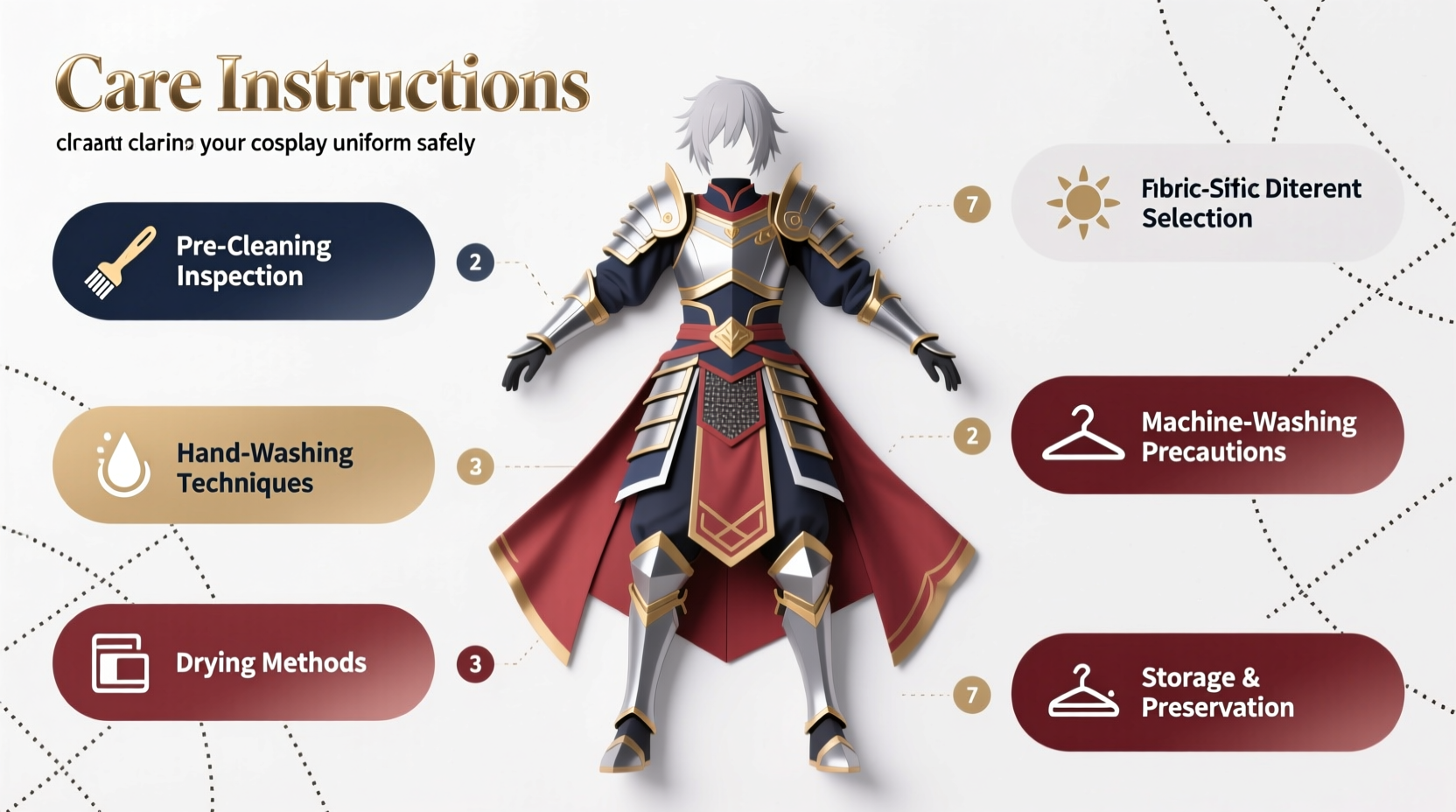
Every cosplay piece is made from different materials—each requiring unique care. Treating all fabrics the same way risks irreversible damage. Common materials include polyester, cotton, spandex, EVA foam, latex, pleather, and synthetic wigs. Always check garment labels or manufacturer instructions if available. When in doubt, test any cleaning method on a small, hidden area first.
Fabrics like cotton and polyester blends can usually tolerate gentle machine washing, but stretchy or printed materials (common in anime or superhero suits) may warp or crack. Armor pieces made from EVA foam should never be submerged; instead, they require spot cleaning. Latex and pleather are especially sensitive to heat and oils, so avoid direct sunlight and harsh detergents.
Step-by-Step Cleaning Process by Component
Cleaning a full cosplay isn’t a one-step task. Break it down into components for precision and safety.
- Disassemble when possible: Remove detachable parts like capes, badges, armor plates, or wig caps.
- Dust and shake out debris: Use a soft brush or lint roller for surface dust, pet hair, or glitter residue.
- Treat stains immediately: Blot (don’t rub) spills with a clean cloth. Use a mild detergent diluted in water and dab gently.
- Wash fabric pieces: Hand wash in cold water with a gentle detergent. For delicate prints, turn garments inside out.
- Clean armor and props: Wipe with a damp microfiber cloth. For stubborn grime, use a 50/50 mix of water and isopropyl alcohol (70%) sparingly.
- Maintain wigs: Rinse in cool water with wig shampoo, condition, and air-dry on a wig stand. Avoid brushing when wet.
- Reassemble only when fully dry: Moisture trapped between layers causes mold and odors.
Drying: The Most Overlooked Step
Air drying is essential. Never toss cosplay items in a dryer—even on low heat. High temperatures shrink spandex, melt glued seams, and warp foam. Lay flat on a clean towel away from direct sunlight, which fades colors and weakens fibers. Rotate pieces occasionally to ensure even drying.
“Many cosplayers ruin their suits within months because they skip proper drying. A little patience preserves quality for years.” — Lila Chen, Prop & Costume Conservator at FanCon Studios
Do’s and Don’ts: Material-Specific Guidelines
| Material | Do’s | Don’ts |
|---|---|---|
| Polyester/Spandex | Hand wash cold, lay flat to dry, store folded | Use bleach, iron, or machine dry |
| EVA Foam | Wipe with damp cloth, store flat, avoid pressure | Submerge in water, expose to heat, stack heavy items on top |
| Latex/Pleather | Dust regularly, apply silicone conditioner (for latex), store in breathable fabric | Use alcohol-based cleaners, fold, or leave in plastic bags |
| Synthetic Wigs | Wash with wig shampoo, detangle from ends upward, store on a stand | Use regular shampoo, blow-dry on high heat, sleep in the wig |
| Printed Fabrics | Turn inside out before cleaning, use color-safe detergent | Soak for long periods, scrub aggressively, wring out |
Storage Solutions That Prevent Damage
How you store your cosplay between uses is just as important as how you clean it. Poor storage leads to yellowing, creasing, insect damage, and moisture buildup.
Fold fabric costumes neatly in acid-free tissue paper and place them in breathable cotton garment bags. Avoid plastic bins unless they have ventilation—plastic traps humidity and promotes mildew. For armor, disassemble and pad each piece with bubble wrap or foam sheets. Store in labeled containers with silica gel packs to absorb moisture.
Wigs should remain on stands or in wig boxes, covered with a loose net to prevent tangling. Keep all items in a cool, dark closet away from windows or heating vents.
Real Example: Recovering After a Long Convention
Jessica attended a three-day outdoor convention in humid weather wearing her full Sailor Moon uniform. By day two, sweat had stained the bodice, the skirt picked up grass stains, and the wig was tangled from wind. Instead of discarding it, she followed a recovery routine: she hand-washed the suit in cold water with Woolite, used a toothbrush to gently lift grass marks, and conditioned the wig with a sulfate-free formula. She stored each piece with lavender sachets to deter moths. Six months later, the costume looked nearly new and was reused for a themed photoshoot.
Essential Care Checklist
- ✔️ Inspect costume after each use for stains, tears, or loose attachments
- ✔️ Disassemble armor, capes, and accessories before cleaning
- ✔️ Hand wash delicate fabrics in cold water with mild detergent
- ✔️ Spot clean foam and latex with a damp cloth—never soak
- ✔️ Air-dry all components completely before storing
- ✔️ Condition latex pieces monthly to prevent cracking
- ✔️ Store in breathable containers with desiccants in a climate-controlled space
- ✔️ Brush wigs gently from ends to roots when dry
Frequently Asked Questions
Can I machine wash my cosplay if it’s mostly polyester?
Only if the garment has no prints, glue, foam, or elastic components. Use a mesh laundry bag, cold water, and delicate cycle. However, hand washing is always safer and recommended for longevity.
How do I remove sweat odor from a lined bodysuit?
Soak in a mixture of cold water and one cup of white vinegar for 30 minutes before rinsing and air-drying. Vinegar neutralizes odor without damaging fabric. Avoid baking soda if the suit has metallic threads—it can cause discoloration.
My foam armor got scratched at a con. How can I fix it?
Light scratches can be buffed with a soft cloth and a tiny amount of rubbing alcohol. For deeper marks, lightly sand with fine-grit paper, then re-paint using acrylics matched to the original color. Seal with a matte varnish for protection.
Final Thoughts: Treat Your Cosplay Like the Art It Is
Your cosplay uniform represents hours of effort, emotion, and identity. Protecting it isn’t just about cleanliness—it’s about respect for your craft. With consistent, thoughtful care, a single costume can serve you across multiple events, seasons, and memories. Implement these practices after every wear, invest in proper storage, and document your process. Over time, you’ll build a collection that stays vibrant, functional, and ready for the spotlight.




 浙公网安备
33010002000092号
浙公网安备
33010002000092号 浙B2-20120091-4
Comments
No comments yet. Why don't you start the discussion?