
Fleece cargo joggers have become a staple in modern wardrobes—blending comfort, utility, and casual style. Whether you're lounging at home, running errands, or layering for a winter walk, their plush fabric and functional pockets make them a go-to choice. But frequent use can take a toll. Pilling, shrinkage, fading, and loss of softness are common issues when care is overlooked. The good news: with the right habits, your favorite pair can stay cozy and intact for years. This guide delivers actionable, expert-backed strategies to maintain the quality of your fleece joggers—without guesswork.
Understanding Fleece Fabric and Why It Needs Special Care
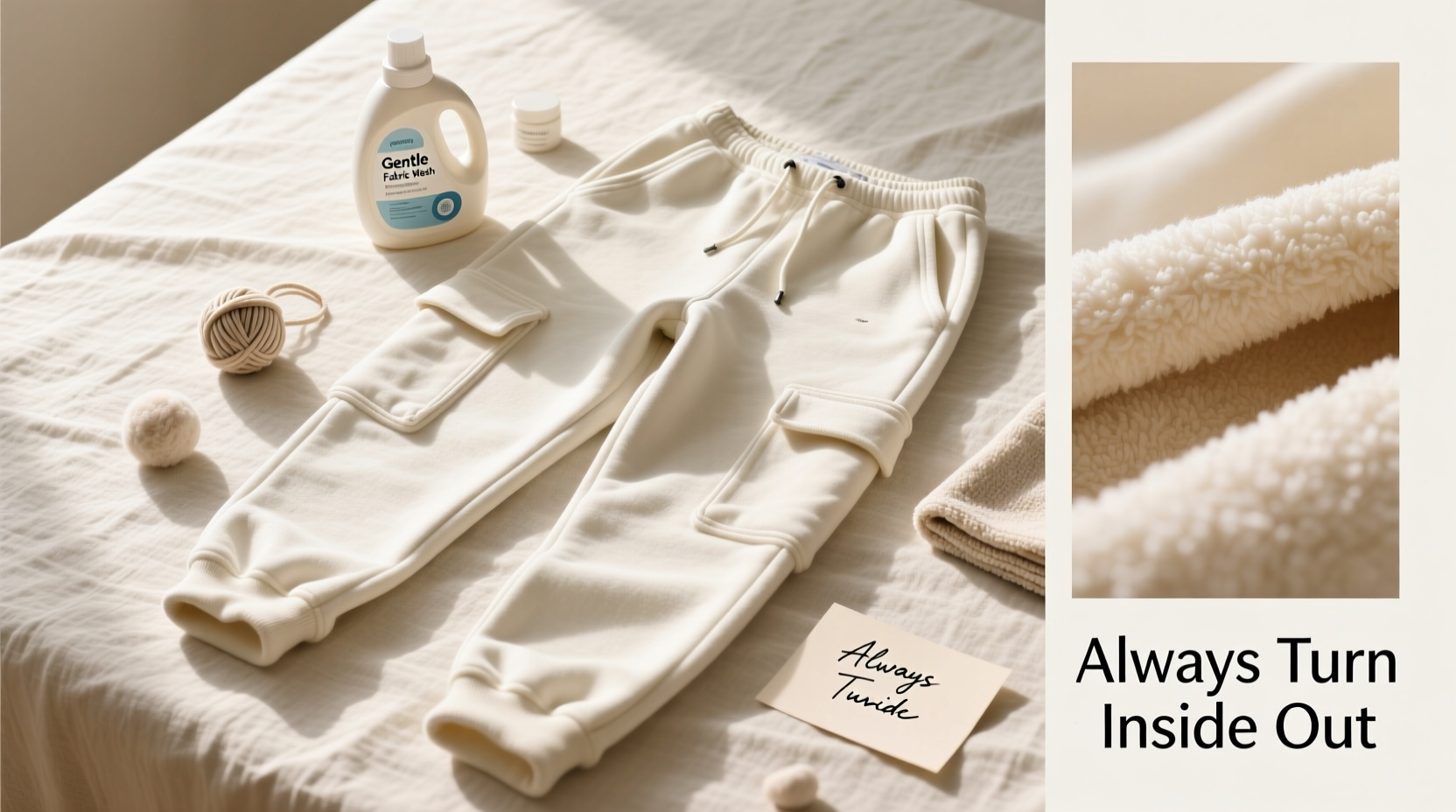
Fleece is typically made from polyester, a synthetic fiber known for its warmth, moisture-wicking ability, and lightweight feel. While durable, polyester fleece is prone to static, pilling, and heat damage. Unlike cotton, it doesn’t absorb moisture well, which makes it quick-drying but also sensitive to high temperatures. Over time, improper washing or drying can break down fibers, leading to a rough texture and diminished insulation.
The structure of fleece—especially brushed or anti-pill varieties—affects how it ages. High-pile fleece feels softer but may pill more easily if agitated. Low-pile or microfleece holds up better to friction but still requires gentle handling. Recognizing these traits helps you tailor your care routine to extend longevity.
“Fleece performs best when treated like performance wear—not just loungewear. The same principles that protect athletic gear apply here: avoid heat, reduce friction, and clean mindfully.” — Jordan Lin, Textile Care Consultant
Washing Techniques That Preserve Softness and Shape
How you wash your fleece joggers directly impacts their lifespan. Aggressive cycles and harsh detergents strip natural oils from fibers and accelerate wear. Follow these steps to keep them looking and feeling new:
- Turn them inside out before washing. This protects the outer surface from abrasion and reduces pilling.
- Use cold water on a gentle cycle. Hot water can cause shrinkage and weaken fibers over time.
- Choose a mild detergent. Avoid bleach and fabric softeners—they coat fibers, reducing breathability and softness. Opt for a liquid detergent designed for synthetics.
- Wash with similar fabrics. Pair joggers only with other soft items like cotton tees or other fleece garments. Zippers, buttons, or denim can snag the fabric.
- Limit load size. Overcrowding causes excess rubbing; underloading leads to excessive tumbling. Aim for a medium, balanced load.
Drying Methods to Prevent Damage and Maintain Loft
Drying is where most fleece garments meet their downfall. Tumble drying on high heat melts polyester fibers slightly, causing shrinkage and hardening. To retain softness and shape:
- Air-dry whenever possible. Lay flat on a drying rack away from direct sunlight, which can fade colors.
- If using a dryer, select low heat or no heat (air fluff) and remove while slightly damp to prevent over-drying.
- Never hang fleece joggers to dry. The weight of retained moisture can stretch the waistband and leg openings.
- Remove promptly after drying to minimize wrinkles and static buildup.
| Drying Method | Pros | Cons |
|---|---|---|
| Air-Drying (Flat) | Preserves fiber integrity, prevents shrinkage | Slower; requires space |
| Tumble Dry (Low Heat) | Faster; reduces static | Risk of slight shrinkage if overused |
| Tumble Dry (High Heat) | Fastest option | Causes fiber damage, pilling, and shrinkage |
Preventing Pilling and Fabric Wear
Pilling—the formation of small fabric balls on the surface—is one of the most common complaints with fleece. It’s caused by friction during wear and washing. While not harmful, it affects appearance and texture. Prevention starts with mindful habits:
- Avoid wearing backpacks or seatbelts directly over fleece areas. Use a jacket or liner as a buffer.
- Store joggers folded neatly rather than crumpled in drawers or gym bags.
- Use a fabric shaver or fine razor to gently remove pills. Do this sparingly and in one direction to avoid snags.
- Invest in anti-pill fleece variants when purchasing new joggers—these are tightly woven to resist surface abrasion.
Real-Life Example: How Mark Extended His Joggers’ Life by 3 Years
Mark, a remote worker in Portland, wears his black fleece cargo joggers nearly every day. After noticing pilling around the thighs within six months, he adjusted his routine. He began turning them inside out before washing, switched to cold water and a gentle detergent, and air-dried them flat on a mesh rack. He also stopped using a fabric softener he’d been adding “to keep them soft”—which was actually coating the fibers. Within two washes, the texture improved. Three years later, the joggers remain soft, intact, and free of major pilling. “I thought they’d be dead by now,” he said. “But treating them like technical gear made all the difference.”
Care Checklist: Maintain Your Fleece Joggers Like a Pro
Follow this checklist after every wear to ensure long-term quality:
- After Wearing:
-
• Shake out debris from cargo pockets
• Inspect for stains or snags
• Hang briefly to air out if damp - Before Washing:
-
• Turn inside out
• Close zippers and empty pockets
• Pre-treat stains with a dab of mild detergent - During Washing:
-
• Use cold water, gentle cycle
• Add mild, softener-free detergent
• Wash with similar fabrics only - After Washing:
-
• Air-dry flat or tumble dry on low
• Remove promptly to avoid creasing
• Store folded in a dry drawer
Frequently Asked Questions
Can I iron fleece cargo joggers?
No, ironing can melt or scorch polyester fibers. If wrinkles occur, use a steamer on low heat from a distance, or toss them in the dryer with a damp towel on air-fluff for 10 minutes to relax creases.
Why do my joggers smell after washing?
Synthetic fibers can trap odor-causing bacteria if not rinsed thoroughly. Try adding a cup of white vinegar to the rinse cycle occasionally to neutralize odors and remove detergent residue. Also, ensure the drum of your washing machine is clean—mold and mildew there can transfer smells.
How often should I wash fleece joggers?
Every 3–5 wears is sufficient unless soiled or sweaty. Overwashing accelerates wear. For light use, airing them out between wears is enough to refresh the fabric.
Final Thoughts: Small Habits, Long-Term Results
Your fleece cargo joggers don’t need complicated care—just consistent, thoughtful treatment. By adjusting how you wash, dry, and store them, you protect both comfort and investment. The softness you love doesn’t have to fade after a few months. With cold water, gentle detergents, and air-drying, you preserve the fabric’s integrity. Avoiding heat and friction keeps them looking sharp. These aren’t luxury steps—they’re simple shifts any wearer can adopt.




 浙公网安备
33010002000092号
浙公网安备
33010002000092号 浙B2-20120091-4
Comments
No comments yet. Why don't you start the discussion?