
A backpack is more than just a carrier—it’s a daily companion through commutes, hikes, travel, and work. Yet most people overlook the importance of proper care until zippers fail, straps fray, or fabric stains become permanent. With consistent attention and smart habits, you can extend your backpack’s life by years, maintain peak performance, and avoid costly replacements. This guide covers every aspect of backpack maintenance, from material-specific cleaning to intelligent storage and real-world usage strategies.
Understanding Your Backpack’s Materials
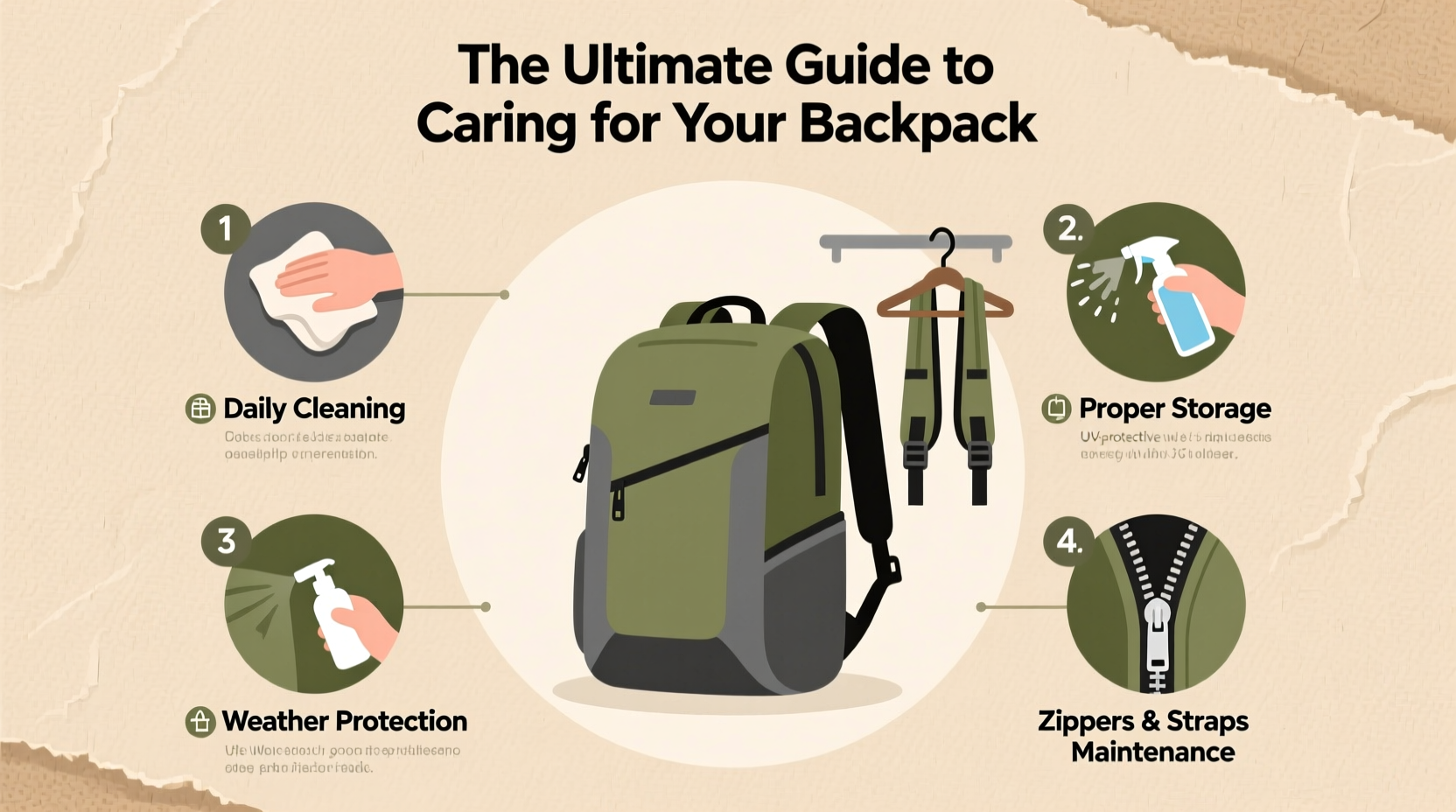
Backpacks are made from a variety of materials, each requiring specific care. Knowing what your pack is made of determines how you should clean and store it. Common materials include:
- Nylon (e.g., Cordura): Durable, water-resistant, and abrasion-proof. Ideal for hiking and outdoor use.
- Polyester: Lightweight and colorfast but less breathable. Often used in urban and school backpacks.
- Canvas: Sturdy and stylish but prone to absorbing moisture. Requires waterproofing over time.
- Leather (genuine or synthetic): Premium look and feel but sensitive to water and sunlight.
- Recycled fabrics: Eco-friendly options that may have different washability thresholds.
Treating all backpacks the same way risks damage. For example, soaking a leather-trimmed nylon pack can cause mold along seams, while using harsh detergents on waxed canvas strips its natural water resistance.
Step-by-Step Cleaning Process by Material Type
Cleaning isn’t one-size-fits-all. Follow this timeline-based approach tailored to your backpack’s construction.
- Empty and inspect: Remove all contents. Shake out debris and check pockets, zippers, and seams for trapped dirt.
- Dry brush: Use a soft-bristle brush to remove surface dust and mud. Avoid wire brushes—they scratch coatings.
- Spot test: Apply any cleaner to an inconspicuous area first (e.g., bottom corner) to check for discoloration.
- Wipe or wash: Proceed based on material type (see table below).
- Air dry: Never use a dryer. Hang in a well-ventilated, shaded area away from direct heat.
| Material | Cleaning Method | Avoid |
|---|---|---|
| Nylon / Polyester | Hand wash with mild detergent and lukewarm water. Use a sponge for stains. | Machines, bleach, hot water |
| Canvas | Damp cloth with gentle soap. Re-wax annually if treated. | Submerging, machine washing |
| Leather Trim | Damp cloth only. Condition with leather cream every 3–6 months. | Water immersion, alcohol wipes |
| Mesh Panels | Gentle wipe-down; compressed air for deep cleaning vents. | Scrubbing, high pressure |
After cleaning, reapply DWR (Durable Water Repellent) spray to technical fabrics if water no longer beads on the surface. This restores weather resistance without altering breathability.
Storage Strategies That Prevent Long-Term Damage
How you store your backpack when not in use impacts longevity as much as active wear. Poor storage leads to warped frames, mildew, and weakened stitching.
Always store your backpack empty, clean, and dry. Avoid stuffing it into tight spaces or under heavy objects. Instead, place it upright on a shelf or hook where airflow prevents mustiness. In humid climates, add silica gel packets inside to absorb moisture.
“Consistent care and proper storage can double a bag’s lifespan.” — Emma Clarke, Fashion Care Expert
Maintenance Checklist for Peak Performance
Use this monthly checklist to catch issues early and maintain reliability:
- ✅ Inspect zippers for snags or misalignment; lubricate with paraffin wax if stiff.
- ✅ Tighten loose screws on frame stays or hip belts (common in hiking packs).
- ✅ Clean mesh back panels with a soft brush to prevent sweat buildup.
- ✅ Check strap padding for compression or cracking.
- ✅ Test load capacity gradually after long periods of non-use.
- ✅ Re-tighten any loose stitching with a needle and nylon thread.
This routine prevents small problems from becoming critical failures during use. A frayed strap might hold under light loads but snap under stress—proactive checks eliminate such risks.
Real-World Example: The Hiker Who Doubled His Pack’s Lifespan
Mark, an avid Appalachian Trail section hiker, relied on a mid-tier 65L backpack for over five years—far exceeding the typical 2–3 year lifespan. His secret? A strict care regimen.
After every trip, he brushed off trail dust, aired out the interior overnight, and wiped down muddy areas with a damp cloth. Once per season, he gave it a full hand wash and reapplied Nikwax Tech Wash. He stored it in a cotton dust bag in his climate-controlled garage, never in the damp basement. When a buckle began to loosen, he tightened the anchor point himself using the repair kit included by the manufacturer.
By treating his pack like gear—not just luggage—he avoided structural fatigue and kept performance consistent across hundreds of miles.
Frequently Asked Questions
Can I machine wash my backpack?
Only if explicitly stated by the manufacturer. Most experts advise against it. Machines create excessive agitation that damages coatings, foam padding, and stitching. Hand washing is safer and more effective for thorough cleaning.
How often should I deep clean my backpack?
Every 3–4 months for daily-use packs; once per season for occasional or outdoor models. Signs it’s time include lingering odors, visible grime, or reduced water repellency.
What should I do if my backpack gets wet?
Remove contents immediately. Wipe down exterior surfaces, open all compartments, and hang it upside down in a dry, ventilated space. Avoid radiators or hairdryers—excessive heat warps adhesives and melts stitching threads.
Conclusion: Small Habits, Lasting Results
Your backpack endures daily stress—weather, weight, friction, and time. But with mindful care, it doesn’t have to show it. Simple actions like regular wiping, correct drying, and thoughtful storage compound into dramatic gains in durability and function. Whether you’re carrying laptops through city streets or gear through mountain trails, your backpack performs best when maintained with intention.




 浙公网安备
33010002000092号
浙公网安备
33010002000092号 浙B2-20120091-4
Comments
No comments yet. Why don't you start the discussion?