
Luxury graphic t-shirts blend high-end fashion with bold artistic expression. Whether it’s a limited-edition designer print, a vintage band tee reissued in premium cotton, or a custom silk-screen masterpiece, these garments deserve more than standard laundry treatment. The intricate inks, delicate fabrics, and layered dyes that define their quality are also what make them vulnerable to fading, cracking, and shrinkage. Most wearers unknowingly shorten the lifespan of their favorite pieces through everyday habits like flipping shirts inside out—or worse, using hot water and harsh detergents. Protecting your investment starts with understanding the materials involved and adopting a tailored care routine that preserves both fabric integrity and visual impact.
Understanding Your Graphic T-Shirt’s Composition
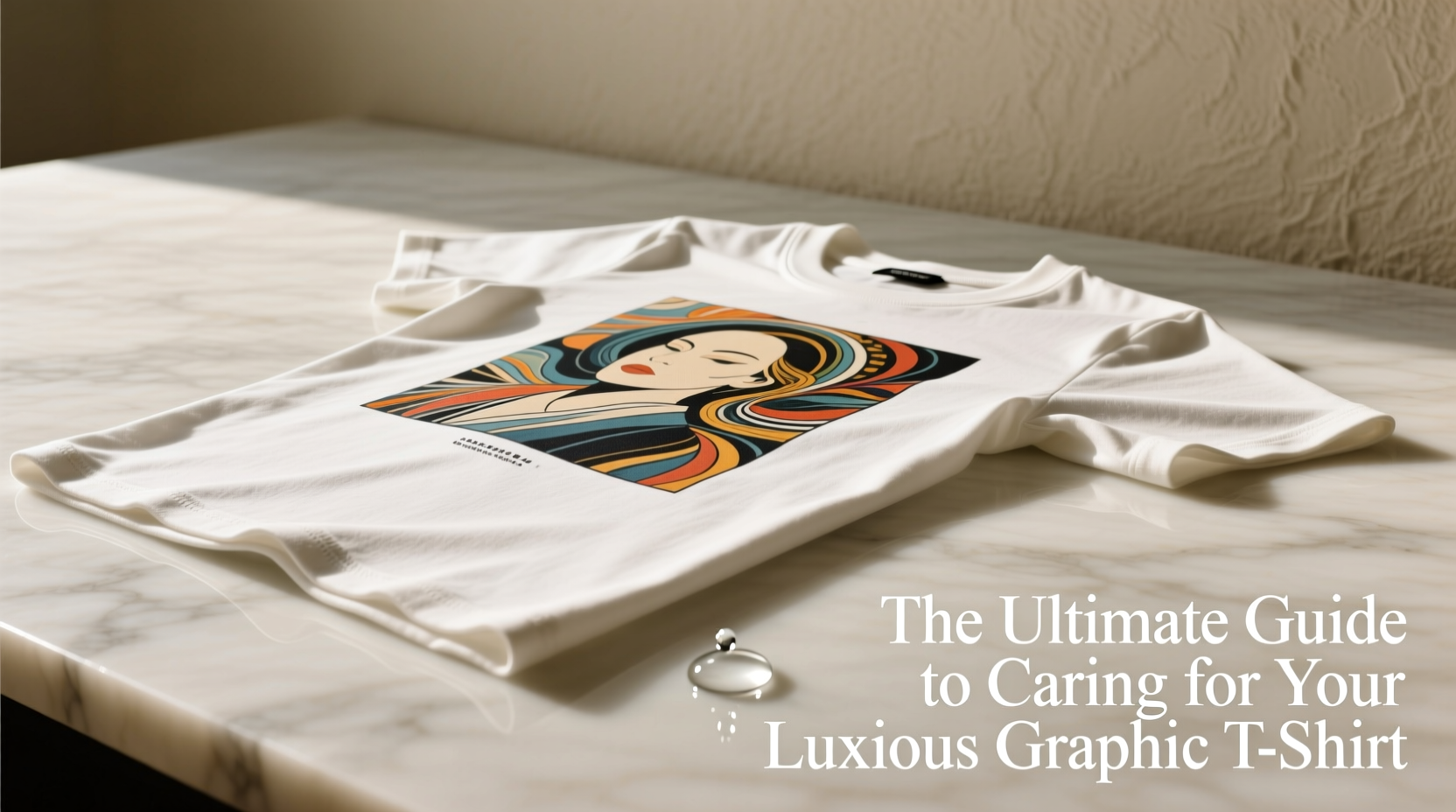
Not all graphic tees are created equal. Before establishing a care regimen, identify the base fabric and printing method used. Common combinations include:
- Cotton (100% or blended): Breathable and soft but prone to shrinking if washed incorrectly.
- Preshrunk cotton: Less likely to contract but still sensitive to high heat.
- Tri-blend (cotton, polyester, rayon): Offers a vintage drape and softness; however, the synthetic fibers can react poorly to chlorine bleach.
- Silk-screen printing: Durable when cured properly, but may crack over time if folded sharply or dried at high temperatures.
- Heat transfer vinyl (HTV): Glossy and precise, yet vulnerable to peeling after repeated washing unless handled gently.
- Digital direct-to-garment (DTG): Photorealistic prints, but require cold washes and air drying to prevent ink breakdown.
Check the garment label for fiber content and manufacturer instructions. When in doubt, treat the piece as delicate—especially if it was purchased at a premium price point or features intricate artwork.
“Luxury graphic tees are wearable art. Treating them like ordinary clothing leads to premature degradation of both fabric and design.” — Marcus Tran, Sustainable Apparel Consultant
The Right Way to Wash Your Graphic Tee
Washing is where most damage begins. Aggressive cycles, incorrect temperatures, and chemical exposure degrade both textile and print. Follow this step-by-step process to preserve vibrancy and structure.
- Turn the shirt inside out before washing. This shields the print from abrasion against other clothes and the drum walls.
- Use cold water only (below 30°C / 86°F). Hot water weakens adhesive bonds in printed designs and causes natural fibers to contract.
- Select a gentle cycle on your machine. Avoid heavy-duty or permanent press settings that increase agitation.
- Choose a mild, dye-free, and fragrance-free detergent. Enzyme-based or oxygen-cleaner formulas are ideal; avoid chlorine bleach and optical brighteners.
- Wash with similar colors and lightweight items. Denim, towels, or zippers can rub against the print and cause pilling or flaking.
- Limit load size. Overcrowding increases friction. Wash one or two graphic tees per load for best results.
Drying and Ironing: Heat Is the Enemy
Heat is the leading cause of print cracking and color distortion. Tumble drying—even on low—subjects garments to sustained warmth that degrades polymer-based inks and stresses fibers. Air drying is the gold standard.
- Lay the shirt flat on a clean towel or hang it on a padded hanger away from direct sunlight.
- Avoid metal hangers or clips that can stretch shoulder seams.
- If ironing is necessary, turn the shirt inside out and use a low-heat setting. Never apply heat directly over the print.
- For HTV prints, place a pressing cloth between the iron and fabric to prevent melting.
| Drying Method | Impact on Graphic Tee | Recommended? |
|---|---|---|
| Tumble Dry (High Heat) | Causes severe shrinkage and print cracking | No |
| Tumble Dry (Low Heat) | Moderate risk of fading and warping | Rarely |
| Air Dry (Flat) | Preserves shape and print integrity | Yes |
| Air Dry (Hanging) | May stretch shoulders slightly | With padded hanger |
Storage Solutions That Prevent Damage
How you store your graphic tees matters just as much as how you wash them. Poor storage leads to yellowing, creasing across prints, and moisture buildup that invites mildew.
- Fold rather than hang whenever possible. Hanging can distort shoulder seams, especially in heavier cotton blends.
- Use acid-free tissue paper between folds to reduce pressure on printed areas.
- Store in a cool, dry closet away from windows. UV exposure fades colors even through fabric.
- Avoid plastic bags—they trap moisture. Opt for breathable cotton garment bags or drawers lined with silica gel packs in humid climates.
Mini Case Study: Reviving a Faded Limited-Edition Print
Jamal owns a rare 2019 collaboration tee featuring hand-painted artwork by a renowned street artist. After two years of regular washing and machine drying, the once-vibrant blues had dulled, and the central image showed faint cracks near the collar. He consulted a textile conservator who recommended a three-phase restoration plan: first, a single cold hand wash with Woolite Delicates; second, laying the tee flat under a weighted board overnight to relax creases; third, storing it in a UV-protected display case when not worn. Within weeks, the fabric regained its softness, and further degradation halted. Jamal now wears the tee only four times a year and hand-washes it immediately after each use. Three years later, it remains in near-mint condition.
Essential Care Checklist
To ensure consistent protection, follow this monthly maintenance checklist:
- ✅ Turn graphic tees inside out before every wash
- ✅ Use cold water and gentle detergent
- ✅ Air dry flat or on padded hangers
- ✅ Store folded with tissue paper separation
- ✅ Inspect prints quarterly for early signs of cracking
- ✅ Limit wear frequency for high-value pieces
- ✅ Avoid wearing during meals or activities involving friction
Frequently Asked Questions
Can I put my graphic tee in the dryer if I use a no-heat setting?
Even \"air-only\" tumble drying creates mechanical stress through tumbling action. While less damaging than heated cycles, it still risks misshaping and micro-abrasion. Air drying is always safer for luxury prints.
What should I do if the print starts cracking?
Minor cracking cannot be reversed, but progression can be slowed. Stop machine washing, avoid folding over damaged areas, and consider framing the shirt if it holds sentimental value. Some specialty textile repair services offer ink stabilization treatments.
Are eco-friendly detergents safe for graphic tees?
Many are excellent choices, provided they are free from bleaching agents and enzymes that target protein-based stains (which can affect certain binders in screen printing). Look for labels specifying “safe for delicates” or “color-safe.”
Conclusion: Treat Art Like Art
Your luxurious graphic t-shirt is more than casual wear—it’s a fusion of fashion, culture, and craftsmanship. Every wash, fold, and storage decision either honors that value or diminishes it. By adopting mindful practices such as cold washing, inside-out handling, and patient air drying, you extend not just the life of the garment, but the emotional and aesthetic experience it provides. These pieces tell stories. Keep them vivid, intact, and wearable for years to come.




 浙公网安备
33010002000092号
浙公网安备
33010002000092号 浙B2-20120091-4
Comments
No comments yet. Why don't you start the discussion?