
A well-chosen nap blanket does more than provide warmth—it enhances relaxation, supports restful micro-sleeps, and adds a layer of aesthetic harmony to any environment. Whether draped over a living room sofa, stored in an office drawer, or folded at the foot of a guest bed, the right nap blanket can transform a space into a sanctuary of comfort. Yet, with so many fabrics, weights, and designs available, selecting one that meets both functional and visual needs requires thoughtful consideration.
This guide explores the essential factors in choosing a nap blanket that feels luxurious, looks intentional, and performs reliably across different settings—from minimalist studios to bustling co-working spaces.
Understanding Your Nap Environment
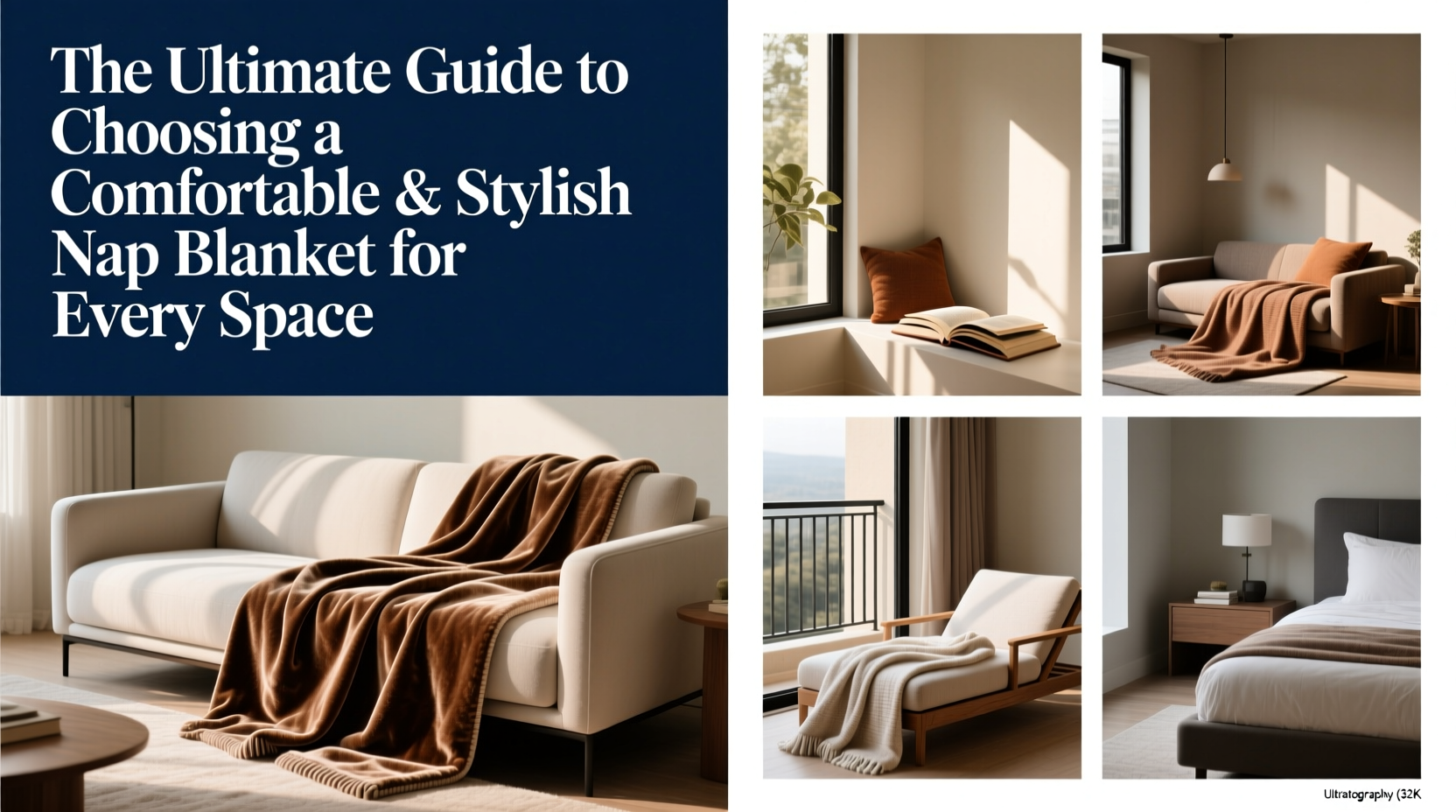
The ideal nap blanket depends heavily on where it will be used. A throw meant for a sunlit reading nook has different requirements than one stored in a climate-controlled office. Consider these three primary environments:
- Home Living Areas: These are typically temperature-stable but may see frequent use. Style integration is key—choose colors and textures that complement existing decor.
- Bedrooms: Here, breathability and softness take priority. The blanket should support sleep onset without overheating.
- Workspaces: Office naps demand compact, easy-to-store options. Lightweight materials that resist wrinkles and odors are ideal.
“Comfort isn’t just about fabric—it’s about context. A blanket that works in a nursery might overwhelm a modernist apartment.” — Lena Torres, Interior Wellness Consultant
Fabric Matters: Balancing Softness, Breathability, and Durability
The material of your nap blanket directly influences how it feels against the skin, how it regulates temperature, and how long it lasts. Below is a breakdown of the most common options:
| Fabric | Pros | Cons | Best For |
|---|---|---|---|
| Cotton | Breathable, hypoallergenic, machine washable | Can wrinkle easily, less insulating | Warm climates, allergy-sensitive users |
| Merino Wool | Naturally temperature-regulating, moisture-wicking | Higher cost, delicate care required | All-season use, cooler rooms |
| Fleece | Soft, warm, affordable | Traps heat, prone to pilling | Cold environments, occasional use |
| Bamboo | Ultra-soft, sustainable, antibacterial | Less durable when blended poorly | Sensitive skin, eco-conscious buyers |
| Microfiber | Durable, lightweight, stain-resistant | Less breathable, synthetic feel | High-traffic areas, kids’ spaces |
For year-round versatility, consider a cotton-bamboo blend or a lightweight merino throw. These offer a balance of softness, breathability, and moderate insulation without compromising on sustainability.
Design & Aesthetic Integration
A nap blanket shouldn’t clash with its surroundings. It should enhance the atmosphere—calming in a bedroom, inviting in a lounge, professional in a workplace. Pay attention to:
- Color Psychology: Cool tones like slate blue or sage green promote relaxation. Neutrals (taupe, ivory, charcoal) blend seamlessly into most interiors.
- Texture Contrast: Pair smooth upholstery with a subtly textured knit, or introduce a chunky cable weave to add depth to a minimalist room.
- Size and Drape: A 50” x 60” throw is standard, but oversized blankets (60” x 70”) work better on sectionals or for taller individuals.
Real-World Example: The Co-Working Lounge Makeover
A tech startup in Portland upgraded its break area by introducing curated nap blankets in muted earth tones. Each blanket was made from organic cotton with a subtle geometric weave. Employees reported feeling more refreshed after short rests, and the cohesive design contributed to a calmer, more focused workspace. Feedback showed that the tactile quality of the fabric played a significant role in perceived comfort—even more than pillow support.
This case illustrates how deliberate textile choices influence not just physical comfort but also psychological well-being and brand culture.
Weight and Insulation: Finding the Sweet Spot
The weight of a nap blanket affects both thermal performance and sensory comfort. Research suggests that slightly heavier blankets (3–5 lbs) can have a calming effect due to gentle pressure, similar to weighted blankets. However, true weighted blankets may be too restrictive for casual napping.
Instead, opt for a medium-weight option—around 2–3 lbs—that provides enough coverage to retain body heat without causing discomfort. This is especially important in air-conditioned offices or drafty living rooms.
Step-by-Step Guide: Choosing the Right Weight
- Evaluate Room Temperature: Is the space consistently cool (below 68°F), neutral, or warm?
- Assess Usage Frequency: Will this be used daily or occasionally?
- Test Drape and Fold: Can the blanket be neatly folded or rolled for storage?
- Layer It: Try placing it over a sheet or light pajamas to simulate real use.
- Judge After 10 Minutes: Does it feel cozy or constricting? Adjust thickness accordingly.
Maintenance and Longevity
No matter how beautiful or soft a blanket is, its value diminishes if it pills, shrinks, or fades after a few washes. Prioritize low-maintenance materials and check care labels carefully.
- Machine-washable cotton and microfiber are practical for high-use areas.
- Wool and bamboo blends often require hand washing or dry cleaning—factor in time and cost.
- Avoid high heat; tumble dry on low or air-dry to preserve fiber integrity.
“Proper care extends a blanket’s life by 2–3 years. Rotate between two throws to reduce wear.” — Marcus Reed, Textile Preservation Specialist
Checklist: Before You Buy a Nap Blanket
- ✅ Measure the seating or sleeping surface to ensure proper coverage
- ✅ Confirm fabric composition and care instructions
- ✅ Feel the texture in person or request a swatch
- ✅ Check for OEKO-TEX or GOTS certification if sustainability matters
- ✅ Ensure color matches your interior palette under natural and artificial light
- ✅ Verify return policy in case it doesn’t perform as expected
FAQ
Can I use a regular bed blanket as a nap throw?
Possibly, but most bed blankets are too large and heavy for casual napping. A dedicated nap blanket is lighter, easier to store, and designed for quick access and comfort in sitting or reclining positions.
Are expensive nap blankets worth it?
Not always—but higher-priced options often use superior materials, ethical production, and better construction. If you value durability and comfort, investing in a $80–$120 merino or organic cotton throw can pay off over time compared to replacing cheaper alternatives annually.
How do I keep my nap blanket fresh between uses?
Air it out weekly by hanging it over a chair. Use a fabric refresher spray (alcohol-free) to eliminate odors. Store in a breathable cotton bag, not plastic, to prevent mildew.
Final Thoughts: Elevate Rest Through Intentional Design
A nap blanket is more than a piece of fabric—it’s a tool for well-being. In a world where rest is increasingly recognized as essential to productivity and mental health, choosing a blanket that feels good and looks harmonious is a small act with meaningful impact. Whether you're curling up after work, taking a midday reset at the office, or offering guests a touch of comfort, the right blanket signals care—for yourself and others.




 浙公网安备
33010002000092号
浙公网安备
33010002000092号 浙B2-20120091-4
Comments
No comments yet. Why don't you start the discussion?