
Dressing up a puppy can be one of the most joyful parts of pet parenthood. Whether it's a tiny sweater for winter walks or a festive costume for a birthday, clothing adds fun and sometimes function to your pup’s life. But beyond cuteness, comfort and health must come first. Ill-fitting, restrictive, or poorly made garments can cause chafing, overheating, or even behavioral stress. The right puppy clothes should feel like a second skin—supportive, breathable, and barely noticeable. This guide breaks down everything you need to know to choose garments that keep your pup both stylish and safe.
Why Puppy Clothing Matters: More Than Just Cuteness
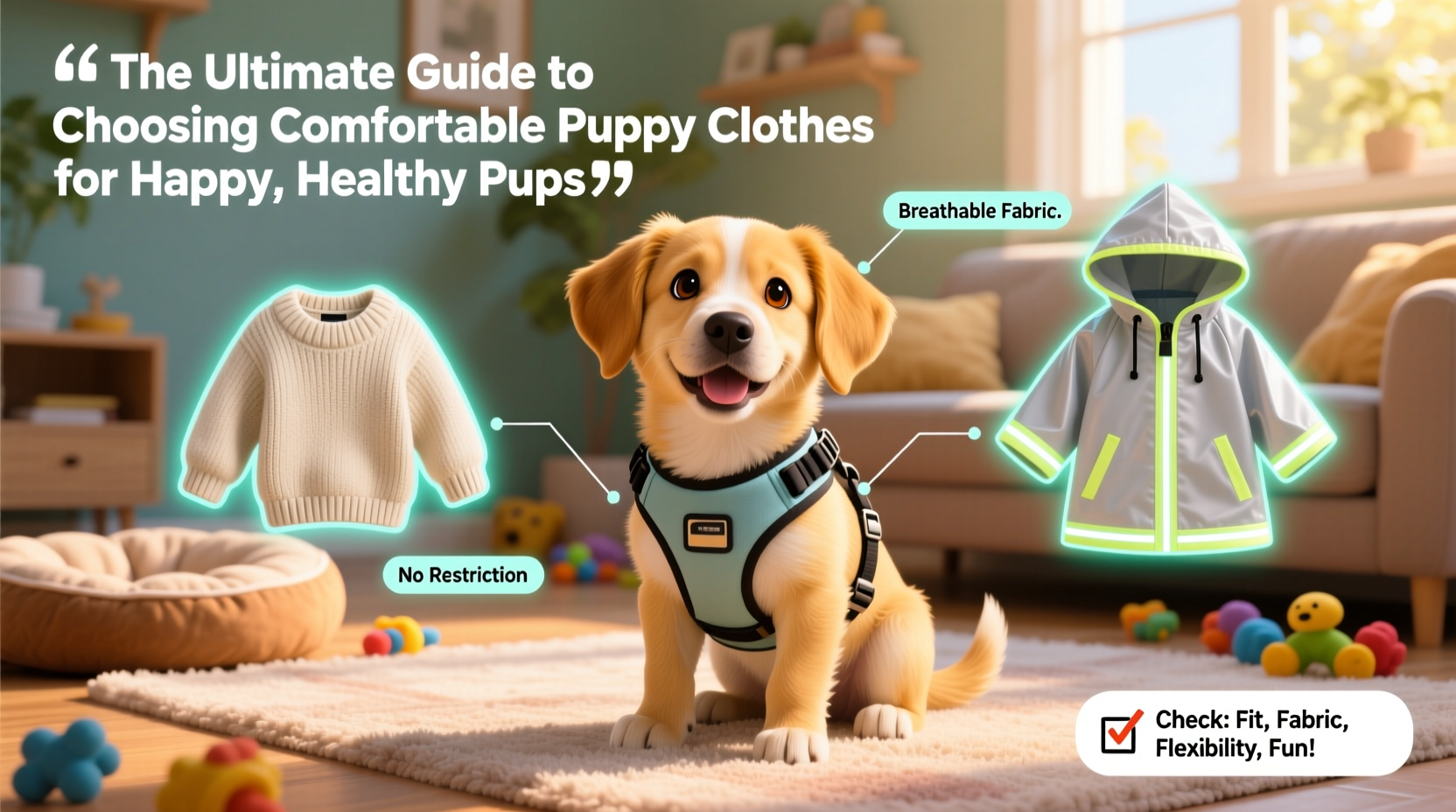
While many owners dress their puppies for aesthetic reasons, functional clothing serves real purposes. Small breeds, hairless dogs, and young pups with underdeveloped coats often struggle to regulate body temperature in cold weather. A well-chosen garment can prevent hypothermia during winter outings. Similarly, UV-protective shirts shield light-coated or thin-skinned breeds from sunburn during summer hikes. For puppies with allergies or sensitive skin, certain fabrics can reduce irritation caused by environmental allergens.
However, not every puppy needs clothes. Overdressing can lead to overheating, restricted movement, or anxiety. The key is balance—assess your puppy’s breed, climate, activity level, and temperament before introducing any wardrobe additions.
Finding the Perfect Fit: Size, Proportions, and Mobility
Finding the right size is the foundation of comfort. Unlike humans, puppies vary widely in body shape even within the same breed. Relying solely on weight-based charts can lead to poor fits. Always measure your puppy using three key points:
- Neck girth: Measure around the base of the neck where the collar sits.
- Chest girth: Wrap the tape around the widest part of the chest, just behind the front legs.
- Back length: From the base of the neck (where the collar rests) to the start of the tail.
Once measured, compare these numbers to the brand’s specific sizing chart. When in doubt between sizes, opt for slightly larger—tight clothing restricts breathing and movement. A properly fitting garment should allow two fingers to slide comfortably under any seam or band.
Mobility is critical. After dressing your puppy, observe them walking, sitting, and lying down. If they hunch, limp, or try to chew at the fabric, the fit is likely too tight or the design flawed.
Common Fit Mistakes to Avoid
| Mistake | Consequence | Solution |
|---|---|---|
| Too-tight chest band | Restricted breathing, chafing | Choose stretchable, wide-band designs |
| Short back length | Tail discomfort, exposed lower back | Measure from neck to tail base |
| Long sleeves on active pups | Tripping, snagging on furniture | Select sleeveless or short-sleeve styles |
| High necklines | Chewing, scratching, refusal to move | Opt for crewnecks or turtlenecks only if necessary |
Choosing Safe and Comfortable Fabrics
The material of a puppy’s clothing affects breathability, durability, and skin health. Natural fibers like cotton are soft and breathable but may shrink or lose shape after washing. Blends with spandex or polyester offer stretch and resilience but must be tested for sensitivity.
Avoid rough textures, stiff embellishments, or non-breathable synthetics like vinyl or thick nylon unless used in outerwear designed for rain protection. Inner seams should be flat and smooth—raised stitching causes irritation, especially in small or hairless breeds.
Wash all new clothes before use. Residual dyes and manufacturing chemicals can trigger allergic reactions. Use fragrance-free detergent and avoid fabric softeners, which coat fibers and reduce breathability.
“Puppy skin is far more sensitive than adult dogs’. Fabrics that seem soft to us can still cause micro-abrasions over time.” — Dr. Lena Reyes, Veterinary Dermatologist
Step-by-Step: How to Introduce Clothes to Your Puppy
Not all puppies accept clothing naturally. Some freeze, others panic or try to escape. Follow this gradual timeline to build positive associations:
- Day 1: Place the garment near your puppy during playtime. Let them investigate it freely.
- Day 2: Drape the item loosely over their back for 10–15 seconds. Reward with treats and praise.
- Day 3: Fasten one closure (e.g., snap at the chest), leave on for 30 seconds, then remove. Repeat 2–3 times.
- Day 4–5: Dress fully for increasing durations—1 minute, then 3, then 5. Monitor closely for signs of stress.
- Day 6 onward: Incorporate clothing into short outdoor activities. Gradually extend wear time as comfort increases.
If your puppy shows persistent resistance—whining, hiding, excessive licking—pause the process. Forcing clothing can create lasting fear. Consider whether the garment is truly necessary.
Essential Checklist Before Buying Puppy Clothes
- ✅ Measured neck, chest, and back length
- ✅ Fabric is soft, breathable, and non-irritating
- ✅ Seams are flat and interior tags are absent or covered
- ✅ Easy closures (snap buttons, Velcro, elastic) without pinching
- ✅ Allows full range of motion (no restriction when sitting or running)
- ✅ Machine-washable or easy to clean
- ✅ No small, detachable decorations (buttons, beads) that could be chewed off
- ✅ Climate-appropriate (lightweight for summer, insulated for winter)
Real-Life Example: Bella the Chihuahua
Bella, a six-month-old Chihuahua living in Chicago, struggled during winter walks. Despite her owner wrapping her in scarves and bulky sweaters, she would shiver, crouch low, and refuse to walk. A veterinary checkup revealed no illness, but the vet noted red marks under her arms—caused by tight elastic bands in her clothes.
Her owner switched to a custom-fit, fleece-lined hoodie with adjustable snaps and a wider chest band. Within days, Bella walked confidently, her tail wagging through snow flurries. The difference wasn’t just warmth—it was comfort. The new garment moved with her, didn’t rub, and stayed securely in place without constriction.
This case highlights a crucial point: function follows fit. Even the warmest material fails if it causes pain or restriction.
Frequently Asked Questions
Do puppies need clothes indoors?
Most puppies don’t need clothing indoors unless the environment is unusually cold (below 65°F/18°C) or the dog is a small, short-haired breed. Overheating is a real risk. Watch for panting, restlessness, or seeking cool surfaces—signs your pup may be too warm.
Can puppy clothes cause skin problems?
Yes. Prolonged wear, especially of non-breathable materials, traps moisture and bacteria, leading to rashes or hot spots. Never leave clothes on unsupervised or overnight. Limit wear to active periods and remove immediately after coming inside.
How often should I wash puppy clothes?
Wash after every 2–3 uses, or immediately if soiled. Regular cleaning prevents odor buildup and maintains fabric integrity. Inspect for loose threads or weakened seams each time.
Final Thoughts: Style Should Never Override Safety
Choosing puppy clothes isn’t about fashion alone—it’s an extension of responsible pet care. The best outfits support your pup’s health, adapt to their lifestyle, and disappear into their natural movements. Prioritize soft, breathable materials, precise measurements, and stress-free introductions. Remember, your puppy doesn’t care about trends. They care about comfort, security, and your approval.




 浙公网安备
33010002000092号
浙公网安备
33010002000092号 浙B2-20120091-4
Comments
No comments yet. Why don't you start the discussion?