
Dressing well isn’t about conforming to trends—it’s about understanding your body and using design elements to highlight your best features. The right dress can transform your silhouette, boost confidence, and create the illusion of balance and proportion. Whether you’re shopping for everyday wear or a special occasion, knowing which cuts, fabrics, and details work in your favor is essential. This guide dives deep into strategic dressing, offering practical advice tailored to different body types, backed by fashion expertise and real-life application.
Understanding Body Shapes and Proportions
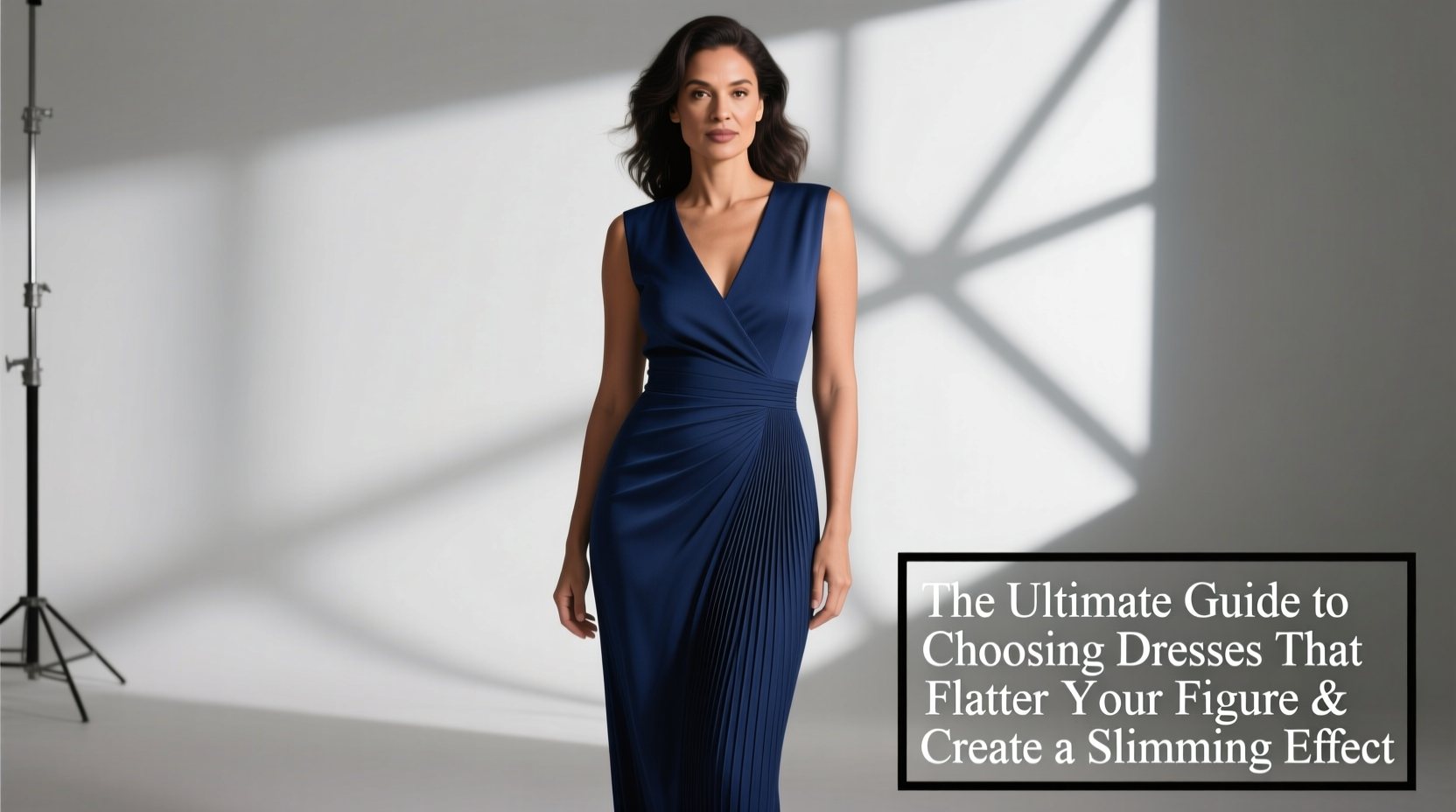
Before selecting a dress, it’s crucial to identify your body shape. While no two bodies are identical, most fall into one of five common categories: hourglass, pear, apple, rectangle, and inverted triangle. Recognizing your shape helps you make informed choices about neckline, waistline, hem, and fabric.
| Body Shape | Key Features | Silhouette Goal |
|---|---|---|
| Hourglass | Balanced bust and hips, defined waist | Emphasize the waist |
| Pear | Hips wider than shoulders | Balancing upper body |
| Apple | Broad torso, narrower legs | Elongate the torso |
| Rectangle | Minimal waist definition | Create curves |
| Inverted Triangle | Broad shoulders, narrow hips | Add volume below |
Each shape benefits from specific design cues. For example, an A-line skirt balances a pear shape, while a V-neck elongates an apple-shaped torso. The goal is not to hide but to harmonize—using clothing as a tool for visual balance.
Strategic Design Elements That Slim and Flatter
Certain design features have proven optical effects. Vertical lines draw the eye up and down, creating length. Darker colors absorb light, minimizing areas they cover. Strategic draping can redirect attention. Understanding these principles allows you to build a wardrobe that works with your body, not against it.
- V-necks and deep necklines: Elongate the neck and upper torso, ideal for apple and rectangular shapes.
- Defined waistlines: Belts, darts, or seaming at the natural waist enhance curves and prevent boxiness.
- A-line silhouettes: Gradually flare from the waist, skimming over hips and thighs—perfect for pear and apple shapes.
- Asymmetrical hems: Create movement and draw attention to one area, breaking up straight lines.
- Vertical seams or panels: Mimic the effect of vertical stripes, slimming the torso.
“Proportion is everything. A well-placed seam or a thoughtful neckline can redefine a silhouette without altering a single measurement.” — Lila Chen, Fashion Stylist & Fit Consultant
Choosing the Right Fabric and Structure
Fabric choice dramatically impacts how a dress fits and feels. Lightweight materials like chiffon or silk flow gracefully but may cling unintentionally if too thin. Structured fabrics such as crepe or ponte knit hold shape, providing gentle compression and smoothing.
Ponte knit, for instance, is favored for its slight stretch and ability to smooth without squeezing. It’s excellent for sheath dresses that need to maintain form while remaining comfortable. On the other hand, stiff taffeta may add volume where it’s unwanted, while overly stretchy jersey can emphasize areas if not cut precisely.
Do’s and Don’ts by Fabric Type
| Fabric | Do | Don’t |
|---|---|---|
| Ponte Knit | Choose for bodycon or sheath styles | Avoid overly long lengths that drag |
| Chiffon | Layer for soft volume | Wear alone if prone to clinging |
| Cotton Blend | Opt for A-line or shirt dresses | Wear if it wrinkles easily and sags |
| Stretch Satin | Select for evening wear with structure | Choose if it highlights lumps |
Real-Life Application: A Case Study
Sophia, a 38-year-old professional with an apple-shaped body, struggled with dresses that either clung to her midsection or hung loosely, making her appear shapeless. After consulting a stylist, she shifted her focus from size to structure. She began choosing dresses with empire waists, V-necks, and softly draped fabrics that skimmed rather than hugged her torso.
One standout piece was a navy blue wrap-style dress in matte jersey with a deep V and self-tie belt just under the bust. The color provided contrast, the neckline created length, and the drape allowed comfort without sacrificing elegance. At her next client presentation, colleagues complimented her polished appearance—unaware that the dress was doing more than just covering her body; it was shaping perception.
This case illustrates that effective dressing is psychological as much as physical. When you feel balanced and confident, it shows.
Step-by-Step Guide to Selecting Your Next Dress
- Identify your dominant body shape using mirrors and measurements.
- Determine the occasion—work, evening, casual—and prioritize comfort and appropriateness.
- Focus on key design elements: neckline, waist placement, hemline, and sleeve style.
- Test the fabric: Does it drape well? Does it stretch appropriately?
- Try it on and move: Sit, walk, raise your arms. Ensure functionality meets aesthetics.
- Assess proportion: Does the dress create balance? Does it draw attention to your favorite features?
- Check lighting: View yourself in natural and artificial light to see true fit and color impact.
Essential Checklist Before Buying
- ✅ Does the waistline align with my natural waist or desired focal point?
- ✅ Is the neckline flattering to my face and neck length?
- ✅ Does the fabric skim rather than cling to problem areas?
- ✅ Can I move comfortably without adjusting constantly?
- ✅ Does the color complement my skin tone?
- ✅ Is the hem length appropriate for my height and shoe choice?
Frequently Asked Questions
Can short women still wear maxi dresses?
Absolutely. Choose high-waisted maxi dresses with vertical details and pair them with wedges or heels. Avoid excessive fabric pooling at the floor, which can shorten the look. A slit or open side panel adds leg length visually.
What if I’m between body shapes?
Many people are hybrids—such as an hourglass with broader shoulders or a rectangle with fuller hips. Focus on your most dominant feature or the one you’d like to balance. You can adapt rules: for example, use shoulder detailing to offset wide hips or a plunging back to add interest if front-heavy.
Are dark colors always the slimmest choice?
Dark tones are generally slimming, but texture and cut matter more than color alone. A poorly fitting black dress will not flatter as much as a well-structured navy or burgundy one. Monochromatic outfits (matching top and bottom in color) also lengthen the silhouette, regardless of shade.
Final Thoughts: Dress for the Body You Have, Not the One You Wish For
The most powerful fashion statement isn’t following trends—it’s mastering the art of looking and feeling like the best version of yourself. Choosing dresses that flatter your figure doesn’t require drastic changes or restrictive styles. It requires awareness, intention, and a willingness to experiment. Every body deserves to be celebrated through clothing that enhances, supports, and empowers.




 浙公网安备
33010002000092号
浙公网安备
33010002000092号 浙B2-20120091-4
Comments
No comments yet. Why don't you start the discussion?