
Rabbit fur keychains have grown from simple accessories into stylish symbols of elegance and warmth. Whether clipped to a bag, zipper, or keys, they add a touch of softness and personality. But not all rabbit fur keychains are created equal. With rising demand, the market is flooded with options—some genuine, others synthetic or poorly made. Choosing a high-quality piece means understanding materials, craftsmanship, and ethical sourcing. This guide equips you with the knowledge to make informed, confident decisions when purchasing a rabbit fur keychain that will last, look luxurious, and reflect your values.
Understanding Rabbit Fur: Natural Beauty and Texture
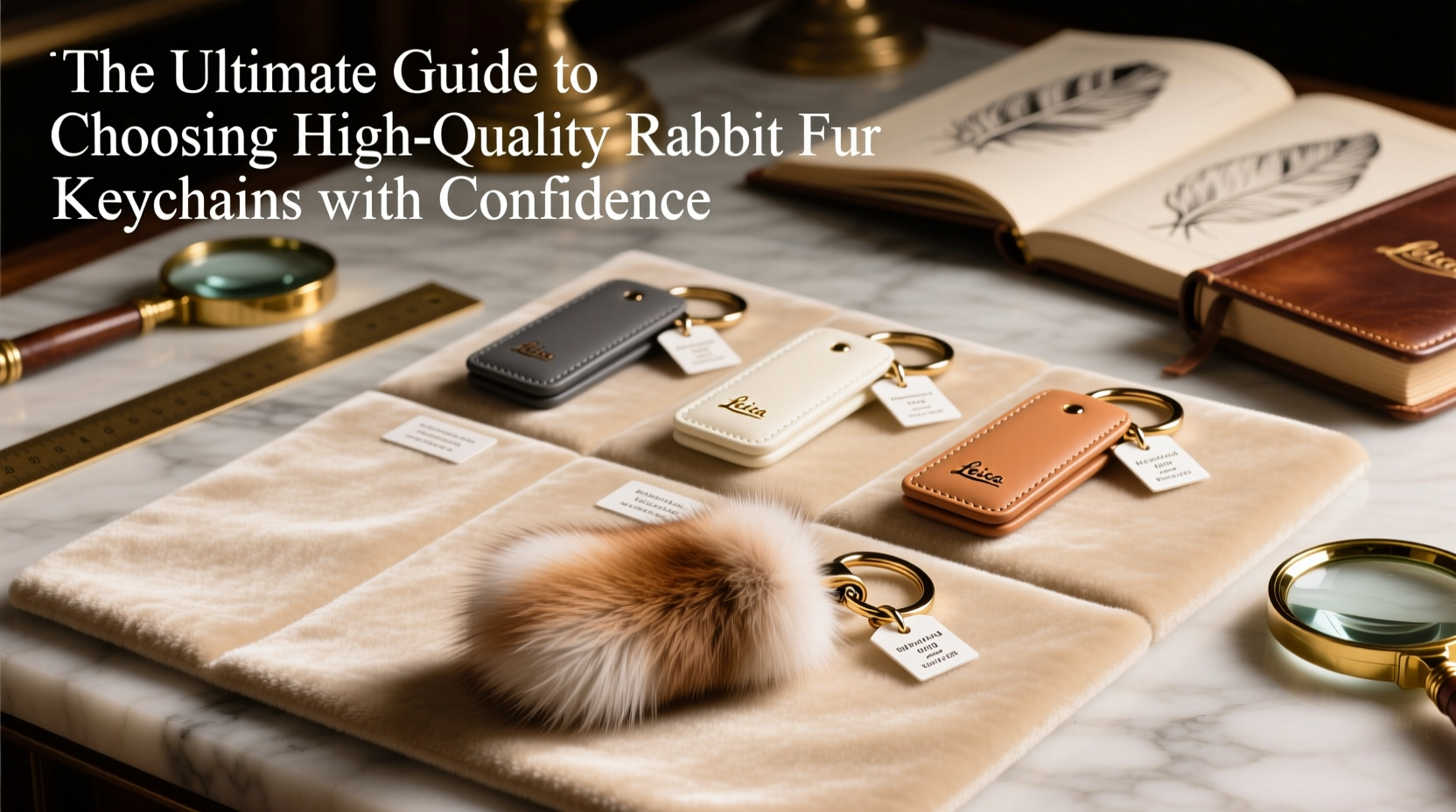
Rabbit fur is prized for its softness, density, and insulating properties. Unlike coarser animal furs, rabbit fur has a plush, velvety feel that’s immediately noticeable upon touch. The finest examples come from breeds like Rex or Angora rabbits, known for their thick, even pelts. When evaluating a keychain, pay attention to the fur’s nap—the direction and consistency of the hair fibers. High-quality fur lies flat and uniform, without bald spots or uneven patches.
Natural rabbit fur also has subtle variations in color and tone, which can be a sign of authenticity. Overly uniform, plastic-looking sheen often indicates synthetic substitutes. Real fur may darken slightly over time with exposure to light and oils, but it retains its texture far longer than faux alternatives.
How to Spot Genuine Rabbit Fur vs. Synthetic Imitations
Many so-called “rabbit fur” keychains are actually made from acrylic or polyester blends designed to mimic the look of real fur. While more affordable, these synthetics lack breathability, soften less over time, and degrade faster with use.
The most reliable way to test authenticity is the burn test—but only if you're purchasing in person and can spare a small fiber. Pluck a tiny strand and hold it with tweezers over a flame. Real fur will smell like burning hair, curl away from the flame, and turn to fine ash. Synthetic fibers melt, drip, and emit a plastic odor.
In everyday shopping, rely on sensory cues:
- Touch: Real fur feels soft but not slippery; synthetics often feel too smooth or static-prone.
- Sight: Look at the base. Real fur is attached to a leather-like skin backing. Faux fur sits on a woven fabric mesh.
- Sound: Rub the fur briskly—real fur makes a soft rustling; synthetic may squeak.
“Consumers often mistake shine for quality, but true luxury in fur lies in texture and resilience, not gloss.” — Lena Petrov, Textile Authenticity Consultant
Key Quality Indicators to Evaluate Before Buying
When assessing a rabbit fur keychain, focus on five core elements that determine long-term value and appearance.
| Feature | High-Quality Sign | Poor-Quality Red Flag |
|---|---|---|
| Fur Density | Thick, full coverage with no visible base | Thin patches, see-through areas |
| Color Consistency | Natural variation within shade | Artificially perfect, shiny hue |
| Backing Material | Leather or reinforced hide | Flimsy fabric or plastic |
| Stitching & Attachment | Reinforced stitching at stress points | Loose threads, weak metal loop |
| Odor | Neutral or faint earthy scent | Strong chemical or musky smell |
A well-made keychain should feel substantial without being heavy. The metal hardware—especially the clasp or ring—should be corrosion-resistant, such as nickel-free brass or stainless steel. Weak hardware is the most common reason for premature failure, regardless of fur quality.
Step-by-Step Guide to Selecting the Best Keychain
Follow this practical process to ensure you’re getting a premium product, whether shopping online or in-store.
- Inspect the fur under natural light. Avoid dim or colored lighting that distorts appearance.
- Feel the texture deeply. Press through the fur to the base—ensure it’s dense from tip to root.
- Check the attachment point. Wiggle the metal ring; it should not twist or detach easily.
- Examine the reverse side. The backing should be clean, securely bonded, and free of glue stains.
- Ask about sourcing. Reputable sellers disclose whether the fur is byproduct-sourced or ethically harvested.
- Review return policies. If buying online, confirm you can return if the product doesn’t meet expectations.
Ethical Considerations and Responsible Sourcing
While rabbit fur is biodegradable and often a byproduct of the meat industry, ethical concerns remain. Some farms prioritize humane treatment, while others do not. Look for certifications or statements indicating responsible farming practices. Terms like “farm-raised,” “byproduct of food industry,” or “no wild trapping” suggest a more transparent supply chain.
If ethics are a priority, consider vintage or secondhand rabbit fur keychains. These reuse existing materials and eliminate new animal impact. Alternatively, high-end faux fur innovations now offer remarkably realistic textures with zero animal use—ideal for cruelty-free consumers who still appreciate the aesthetic.
Mini Case Study: A Buyer’s Lesson in Patience
Sophie, a fashion student in Montreal, initially bought a $12 rabbit fur keychain online. It arrived with thin, shedding fur and a flimsy clip that broke within three weeks. Disappointed, she researched fur quality and eventually found a small European brand selling hand-finished pieces. She invested $38 in a new one, verifying the fur origin and metal durability. Two years later, her keychain remains intact, softer with age, and has become a signature accessory. Her experience underscores that short-term savings often cost more in the long run.
Essential Checklist for Confident Purchasing
Before finalizing any purchase, run through this checklist to ensure quality and value:
- ✅ Fur is dense, soft, and consistent in texture
- ✅ No visible backing or bald spots
- ✅ Backing is leather or durable material
- ✅ Metal hardware is sturdy and corrosion-resistant
- ✅ Seller provides sourcing information
- ✅ Return policy allows inspection upon delivery
- ✅ Price reflects craftsmanship—not suspiciously low
Frequently Asked Questions
Are rabbit fur keychains legal and ethical?
In most countries, rabbit fur from farm-raised animals is legal. Ethical standards vary, so choose brands that disclose humane practices. Many producers use fur that would otherwise go to waste, making it a sustainable choice when sourced responsibly.
How do I clean a rabbit fur keychain?
Avoid water and detergents. Instead, gently brush the fur with a soft-bristled clothes brush. For odors, place in a sealed bag with baking soda for 24 hours. Never machine wash or dry.
Can I repair a damaged fur keychain?
Minor shedding can be managed with careful brushing. However, if the backing detaches or the fur thins significantly, professional fur repair services may help—though often, replacement is more cost-effective.
Final Thoughts: Confidence Through Knowledge
Selecting a high-quality rabbit fur keychain isn’t about spending the most—it’s about recognizing what matters. From fur density to ethical sourcing, every detail contributes to longevity and satisfaction. Armed with the right criteria, you can move past marketing claims and identify truly exceptional pieces. Whether you value tradition, texture, or sustainability, your choice should reflect both personal style and informed judgment.




 浙公网安备
33010002000092号
浙公网安备
33010002000092号 浙B2-20120091-4
Comments
No comments yet. Why don't you start the discussion?