
Temporary tattoos have evolved far beyond the colorful stickers of childhood. Today’s high-quality designs can mimic real ink so closely that even tattoo artists do a double-take. Whether you’re testing a permanent design, dressing up for an event, or simply expressing yourself without commitment, a well-chosen temporary tattoo can deliver stunning results — if done right. The key lies in selecting the right product, applying it correctly, and maintaining it properly. This guide breaks down everything you need to know to make your temporary tattoos look authentic and last as long as possible.
Understanding Realistic Temporary Tattoos
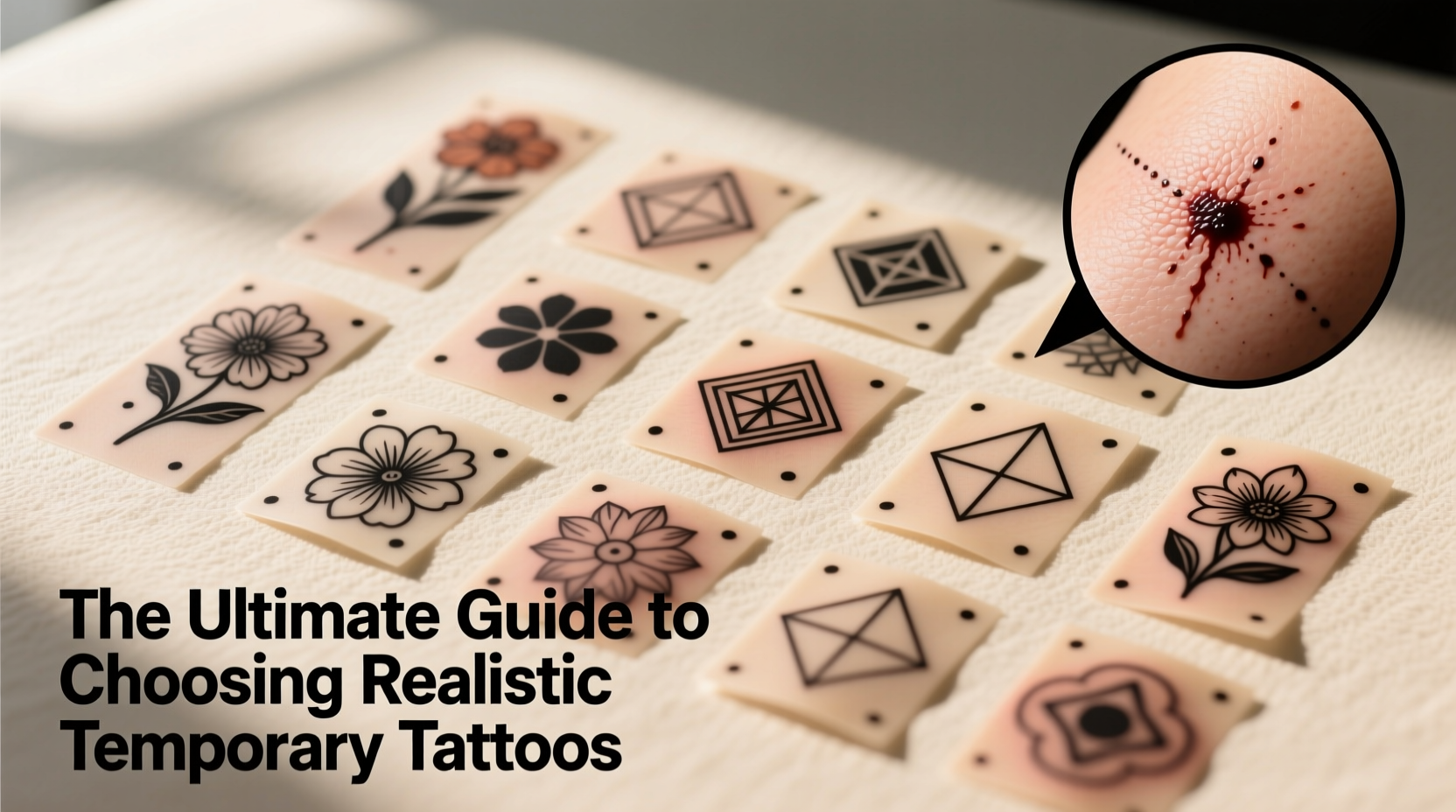
Not all temporary tattoos are created equal. What separates a convincing, lifelike tattoo from a cartoonish sticker comes down to material, printing quality, and realism in shading and skin integration. Modern options include water-slide transfers, airbrush-style kits, and even henna-inspired stains. Each has its strengths, but only certain types offer the depth, texture, and durability needed for authenticity.
Realistic temporary tattoos typically use advanced printing techniques that replicate gradients, fine lines, and skin tone blending. They’re often made with non-toxic, FDA-compliant inks and designed to adhere seamlessly to the natural contours of your body. Unlike older versions that sit visibly on top of the skin, today’s premium tattoos integrate more naturally, mimicking the way real ink settles beneath the surface.
Choosing the Right Material and Technology
The foundation of a believable temporary tattoo is the technology behind it. Here’s a breakdown of the most common types and which ones deliver the best realism and longevity:
| Type | Realism Level | Average Lifespan | Best For |
|---|---|---|---|
| Water-Slide Transfers (Traditional) | Low-Medium | 1–3 days | Casual wear, kids, parties |
| High-Definition Water Transfer (HDWT) | High | 5–10 days | Photo-realistic designs, testing permanent ideas |
| Transfer-Style Airbrush Kits | Medium-High | 3–7 days | Custom shapes, artistic expression |
| Temporary Ink Stains (e.g., Inkbox, Tattify) | Very High | 1–2 weeks | Mimicking real tattoos, long-term wear |
Among these, temporary ink stains stand out. Using plant-based dyes like lawsone (from henna) or proprietary formulations, they react with the keratin in your skin to create a semi-permanent stain that darkens over 24–48 hours. These don’t peel or flake — they fade gradually like real tattoos.
“With proper formulation, temporary tattoos can achieve 90% of the visual depth of real ink. The difference is no longer obvious at conversational distance.” — Diego Marquez, Body Art Product Developer
Step-by-Step Guide to Application for Maximum Realism
Even the best tattoo will fail if applied incorrectly. Follow this proven process to ensure optimal adhesion, clarity, and skin integration:
- Clean the Skin Thoroughly: Use alcohol wipes or mild soap to remove oils, lotions, and sweat. Dry completely.
- Exfoliate Gently: Light scrubbing removes dead skin cells that can interfere with adhesion.
- Trim Hair if Necessary: On hairy areas, shave lightly to prevent lifting at the edges.
- Position Carefully: Align the tattoo before pressing down. Once contact begins, repositioning distorts the image.
- Apply Even Pressure: For water-slide types, press firmly for 30 seconds using a flat object like a credit card.
- Peel Slowly and at an Angle: Wait until fully dry, then lift one edge and pull parallel to the skin.
- Seal with Hairspray or Setting Spray (Optional): A light mist can extend wear time by creating a protective barrier.
For ink-stain types, follow manufacturer instructions precisely — many require leaving the patch on for 1–2 hours and avoiding moisture during development.
Extending Longevity: Daily Care and Maintenance
To keep your temporary tattoo looking fresh, treat it like real skin art. Avoid prolonged exposure to elements that break down adhesion or fade pigment.
- Limited water exposure: Showers are fine, but avoid soaking in baths, pools, or hot tubs.
- Pat dry — never rub — after washing.
- Avoid oil-based products near the tattoo; they dissolve adhesive layers.
- Refrain from scratching or picking at edges.
- Use a UV-protective lotion if exposed to sunlight frequently.
Mini Case Study: Testing a Sleeve Before Committing
Jamie, a graphic designer from Portland, wanted a full arm sleeve but wasn’t ready for permanence. She ordered a set of HD water-transfer tattoos replicating her desired design — a fusion of botanical and geometric patterns. After prepping her skin and applying each section with precision, she wore the complete sleeve for nine days. During that time, she received multiple compliments and even questions about her “new ink.” The realism was so convincing that a friend offered her a referral to his tattoo artist. Jamie used the experience to adjust spacing and color balance before scheduling her permanent session — saving hundreds in correction costs.
Checklist: How to Choose & Wear a Realistic Temporary Tattoo
Before buying or applying, go through this essential checklist:
- ✅ Research brands known for photorealistic quality (e.g., Inkbox, Tattify, Momentary Ink)
- ✅ Check ingredient safety — avoid parabens, heavy metals, and synthetic dyes
- ✅ Match the design scale to your body part (small tattoos on large limbs look fake)
- ✅ Test on a small area first if you have sensitive skin
- ✅ Choose placements with less friction (avoid inner elbows, palms)
- ✅ Plan application timing — allow 48 hours for stain-based tattoos to darken fully
- ✅ Keep aftercare supplies ready: alcohol wipes, setting spray, soft towels
Frequently Asked Questions
How do I remove a temporary tattoo safely?
For water-slide types, use rubbing alcohol, olive oil, or adhesive removers. Gently massage the area until the image lifts. For ink-stain tattoos, exfoliate daily — they fade naturally within 2–3 weeks. Never scrape or use harsh abrasives.
Can I swim with a realistic temporary tattoo?
Short swims are usually fine, but chlorine and saltwater accelerate fading. If swimming is unavoidable, apply a waterproof barrier spray beforehand and rinse off immediately after.
Are realistic temporary tattoos safe for sensitive skin?
Most high-end brands use hypoallergenic, vegan, and dermatologically tested materials. Still, always perform a patch test 24 hours before full application, especially if you have allergies or eczema.
Final Thoughts: Elevate Your Expression Without the Needle
Realistic temporary tattoos are no longer just novelties — they’re powerful tools for self-expression, design testing, and creative exploration. With advancements in materials and application methods, you can now achieve a look so authentic that only close inspection reveals the truth. By choosing high-quality products, following precise application steps, and maintaining them like real ink, you extend not just their lifespan but their impact.




 浙公网安备
33010002000092号
浙公网安备
33010002000092号 浙B2-20120091-4
Comments
No comments yet. Why don't you start the discussion?