
The four leaf clover has long been a symbol of rare fortune, hope, and enduring optimism. Once considered a botanical anomaly found only once in every 10,000 three-leaf clovers, it now appears as a cherished emblem in jewelry and accessories. Among its most popular forms is the keychain pendant—a small but powerful token that combines practicality with sentiment. More than just a decorative trinket, a well-chosen four leaf clover keychain can reflect personal taste, serve as a daily reminder of intention, and even become a family heirloom. With so many variations available—from materials and finishes to symbolic engravings—selecting the right one requires thoughtful consideration.
Understanding the Symbolism Behind the Four Leaf Clover
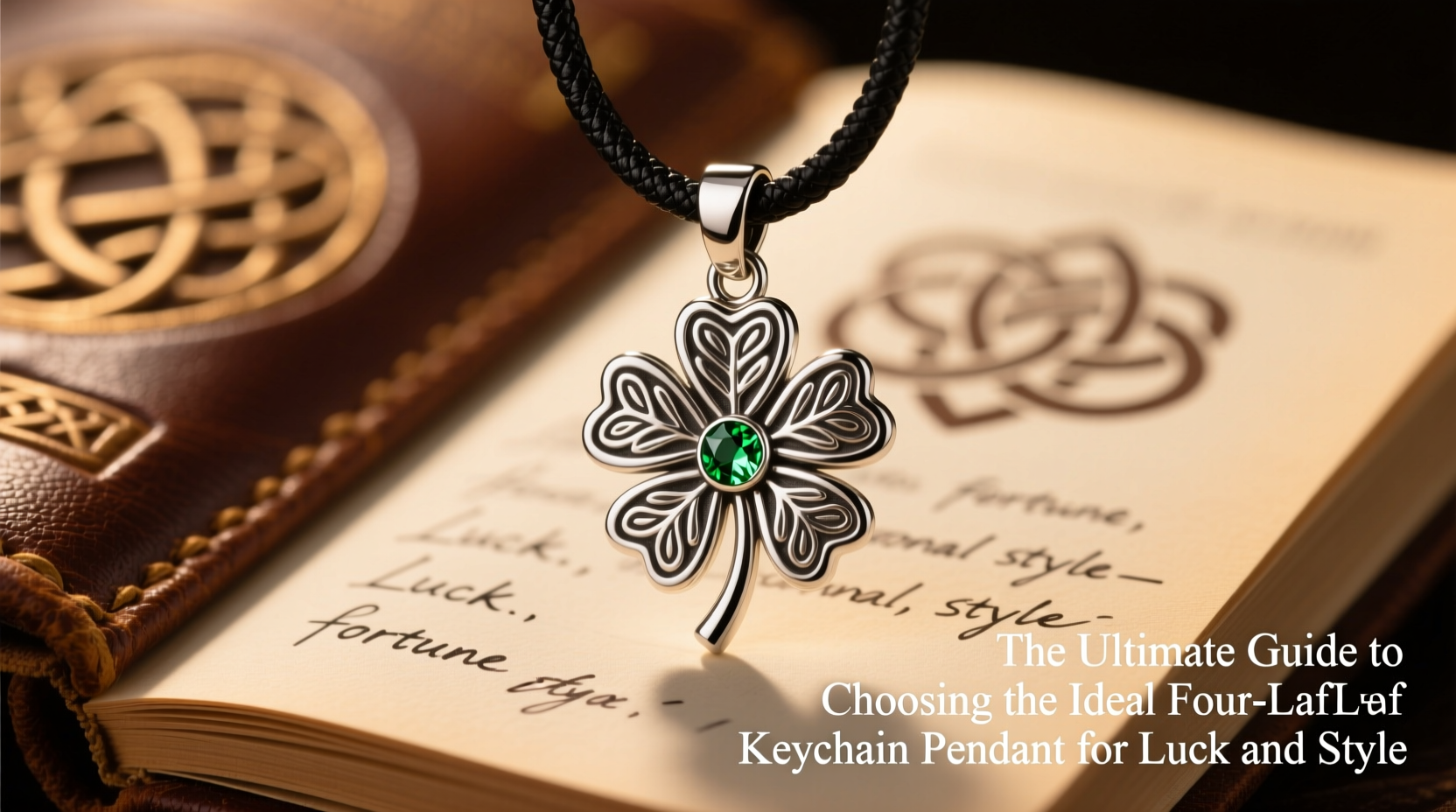
The four leaf clover’s enduring appeal lies in its layered symbolism. Each leaf traditionally represents a different virtue: the first for faith, the second for hope, the third for love, and the fourth for luck. This quartet of meaning makes the pendant more than a superstitious charm—it becomes a wearable affirmation. Historically, Celtic folklore regarded the clover as a ward against evil spirits, while Christian traditions later associated it with the cross and divine protection. In modern times, the motif transcends cultural boundaries, embraced by those seeking both aesthetic elegance and emotional resonance.
When selecting a keychain pendant, understanding this symbolism helps align the piece with your values. Some people seek it purely for its association with good fortune, especially during transitional periods like job changes or travel. Others appreciate it as a gift imbued with care—offered to loved ones embarking on new chapters. Recognizing what the clover means to you ensures the final choice feels authentic, not merely ornamental.
“Symbols carry energy. A four leaf clover isn’t just about chance—it’s about noticing the rare moments of grace in everyday life.” — Dr. Lila Nguyen, Cultural Anthropologist
Material Matters: Choosing the Right Build for Durability and Aesthetic
A keychain endures constant handling, friction, and environmental exposure. The material of your clover pendant directly affects its longevity, luster, and tactile experience. Below is a comparison of common materials used in high-quality clover keychains:
| Material | Pros | Cons | Best For |
|---|---|---|---|
| Stainless Steel | Highly durable, rust-resistant, affordable, hypoallergenic | Limited color variation, may scratch over time | Daily wear, active lifestyles |
| Sterling Silver | Elegant shine, timeless appeal, easily polished | Tarnishes with exposure to air/moisture | Gifts, formal aesthetics |
| Brass with Gold Plating | Warm tone, luxurious look, cost-effective | Plating wears off over time, may cause skin reactions | Fashion-forward designs |
| Silicone or Resin | Lightweight, colorful, shatterproof | Less premium feel, degrades in UV light | Children, casual use |
| Solid Gold (10K–18K) | Prestigious, corrosion-resistant, holds value | Expensive, soft metal prone to dents | Investment pieces, heirlooms |
For everyday durability, stainless steel strikes an ideal balance. Sterling silver offers refinement but demands regular maintenance. If budget allows, solid gold provides lasting quality, though it’s best reserved for those who prioritize sentimental investment over rugged utility.
Design Elements That Elevate Style and Meaning
Beyond material, design choices shape how the pendant resonates with your personality. Consider these key aspects:
- Size and Proportion: A smaller clover (10–15mm) maintains subtlety, ideal for minimalist keys or wallets. Larger pendants (20mm+) make bolder statements and allow for intricate detailing.
- Finish Type: Polished finishes offer shine and visibility; matte or brushed textures provide understated elegance. Antique finishes add vintage character through intentional darkening of recessed areas.
- Engraving and Detailing: Look for pendants with engraved veins on each leaf or micro-inscriptions like “Luck,” “Believe,” or initials. These subtle touches personalize the piece without overwhelming its simplicity.
- Chain or Ring Attachment: A sturdy split ring prevents loss, while a decorative chain adds flair. Ensure the connecting loop is soldered securely to avoid breakage.
Some modern designs integrate additional symbols—a tiny heart on one leaf, a crystal accent at the stem, or a Celtic knot border—to deepen the narrative. While these enhancements can increase emotional significance, avoid overly complex styles that compromise the clover’s natural symmetry.
Mini Case Study: Sarah’s Commemorative Keychain
Sarah, a recent graduate starting her first job abroad, wanted a meaningful token to carry with her. She chose a 14mm sterling silver clover with a single cubic zirconia set into the center leaf—symbolizing clarity amid change. The back was engraved with “June 2023 – Begin Boldly.” Lightweight yet substantial, it became her go-to accessory, clipped to her work bag keys. Over two years of travel, the pendant tarnished slightly but retained its emotional weight. After polishing it before her return home, she gifted an identical one to her sister, continuing the tradition.
How to Choose Based on Lifestyle and Intention
Your daily routine and emotional goals should influence your selection. Follow this step-by-step decision framework:
- Define Your Purpose: Is the pendant for personal motivation, a gift, or spiritual alignment? Clarity here guides all other decisions.
- Assess Usage Frequency: Frequent car or bike users need robust materials like stainless steel. Occasional wearers can opt for delicate silver or plated options.
- Match to Personal Aesthetic: Minimalists lean toward sleek silhouettes; romantics may prefer floral borders or gem accents.
- Consider Gifting Context: For birthdays or graduations, include engraving. For weddings, pair the clover with a wedding band charm.
- Verify Craftsmanship: Examine edges for smoothness, symmetry in leaf shape, and secure attachments. Poor construction undermines both beauty and durability.
Essential Checklist Before Buying
Before finalizing your choice, review this concise checklist:
- ✅ Material suits your durability needs and skin sensitivity
- ✅ Size complements your keyring or bag without bulk
- ✅ Design reflects your personal style or intended message
- ✅ Engravings (if any) are clear and correctly spelled
- ✅ Pendant comes from a reputable seller with return policy
- ✅ Packaging is gift-ready if intended as a present
FAQ
Does a four leaf clover keychain really bring luck?
While there’s no scientific proof, many find that carrying a symbolic object enhances mindfulness and positive thinking. The act of believing in good fortune can shift perspective, leading to greater openness to opportunity—a psychological effect often mistaken for pure luck.
Can I wear the pendant as a necklace instead?
Absolutely. Most four leaf clover keychains come with a standard 6–8mm loop, compatible with necklace chains. Transitioning it from keys to jewelry allows for seasonal or occasion-based styling.
How do I clean and maintain my clover pendant?
For metal pendants, use a soft cloth and mild soap solution weekly. Silver pieces benefit from anti-tarnish wipes. Avoid submerging in water if the pendant has enamel or glued elements. Store separately to prevent scratches.
Final Thoughts: Wear Your Luck With Intention
Selecting the ideal four leaf clover keychain isn’t just about aesthetics or superstition—it’s about curating a small object with outsized meaning. Whether drawn to its historical roots, captivated by its rarity, or inspired by its quiet symbolism, your choice becomes part of a personal narrative. The best pendants endure not because they’re made of precious metal, but because they accompany pivotal moments: a first apartment key, a cross-country move, a promise kept.
As you search for yours, remember that true luck often arises from attention—to detail, to feeling, to the small tokens we carry forward. Let your clover be more than decoration. Let it be a companion.




 浙公网安备
33010002000092号
浙公网安备
33010002000092号 浙B2-20120091-4
Comments
No comments yet. Why don't you start the discussion?