
An iced out bracelet—crafted with precision-set stones, often cubic zirconia or diamonds, shimmering across a metal base—is more than an accessory. It’s a statement of confidence, taste, and personal flair. But no matter how dazzling the design, its impact diminishes if the fit is off. A bracelet that slips, pinches, or hangs awkwardly undermines both comfort and style. The key to maximizing presence lies in selecting the correct size—one that sits naturally on the wrist, enhances proportion, and reflects intentionality.
Understanding Wrist Anatomy and Bracelet Fit
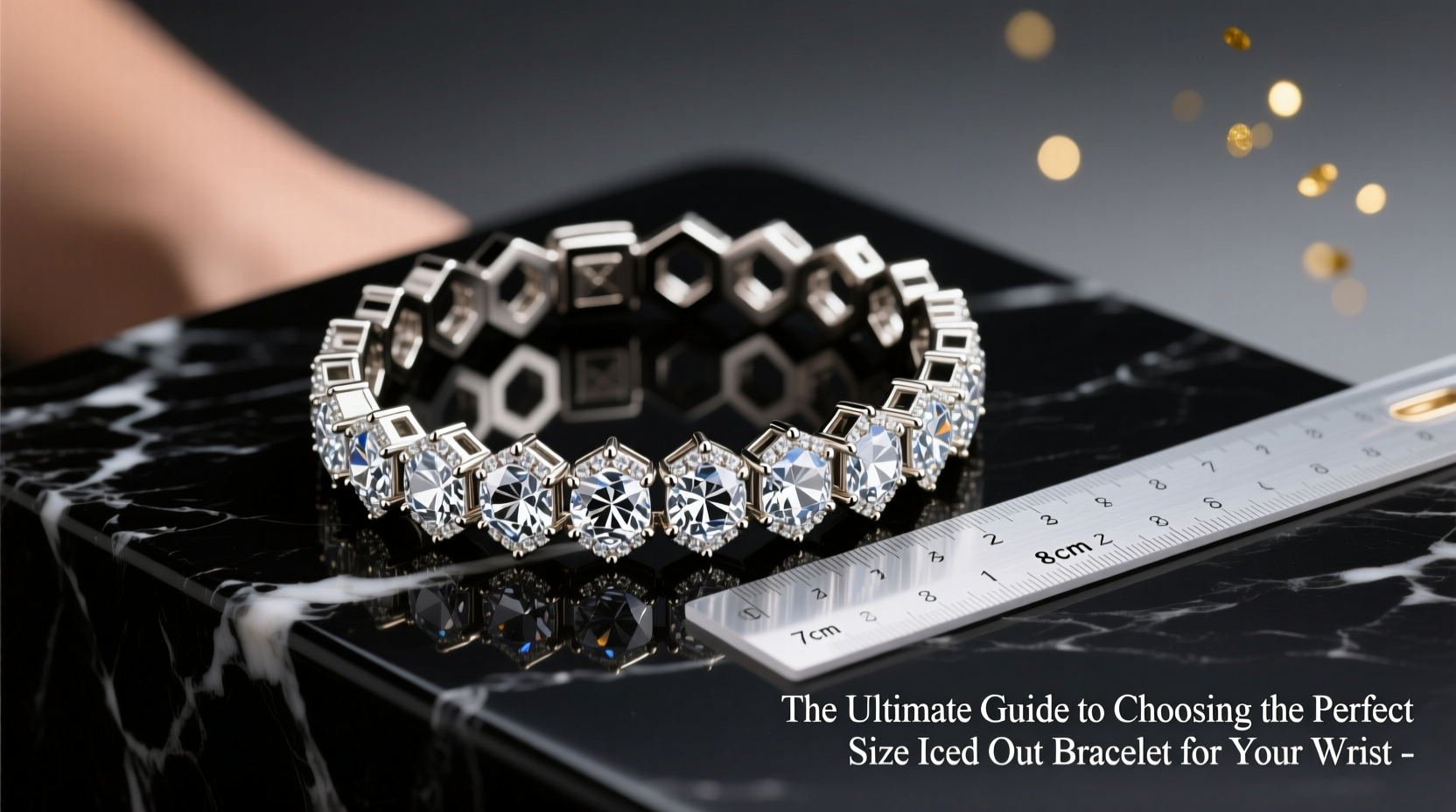
The human wrist varies significantly in circumference, bone structure, and flexibility. Some wrists taper sharply from forearm to hand; others maintain a consistent width. These differences directly affect how a bracelet rests and moves. An oversized piece may slide around during movement, while one too tight can restrict circulation or cause discomfort after prolonged wear.
Iced out bracelets typically come in rigid or flexible styles. Rigid cuffs require precise measurement because they don’t stretch. Flexible chains with clasps offer slight adjustability but still rely on accurate sizing for optimal drape and security. The goal is a snug yet comfortable fit—close enough to stay in place without digging into the skin.
How Bracelet Style Influences Sizing
Different designs demand different fitting approaches. For example:
- Cuff bracelets: Should open just wide enough to slide over the hand and rest firmly on the wrist. They should not require force to put on or leave red marks after removal.
- Chain link bracelets: Benefit from a half-inch to one-inch addition beyond actual wrist size to allow room for movement and knuckle clearance.
- Bangle-style iced out pieces: Require diameter consideration rather than length. These must pass over the widest part of the hand before settling on the wrist.
Designers often build slight tolerances into their sizing, but relying solely on general guidelines risks misfit. Personalized measurement remains essential.
Step-by-Step Guide to Measuring Your Wrist
Accurate sizing begins with the right tools and technique. Follow this sequence to determine your ideal bracelet length:
- Gather supplies: Use a flexible tape measure or a non-stretch string with a ruler.
- Position correctly: Wrap the tape around the wrist bone where you intend to wear the bracelet. Avoid wrapping too close to the hand or up the forearm unless that’s your preferred placement.
- Tightness matters: Keep the tape snug but not tight—slip one finger underneath to simulate ideal comfort.
- Record the number: Note the measurement in inches or centimeters. If using string, mark it and measure against a ruler.
- Add allowance: For chain bracelets, add ½ inch for a snug fit, ¾ to 1 inch for a relaxed fit. Cuffs usually follow exact wrist size due to rigidity.
If purchasing online, cross-reference the brand’s size chart. Reputable jewelers provide detailed guidance based on their specific construction methods.
Choosing Size by Gender and Wrist Type
While gender doesn't dictate style preference, average wrist sizes differ and influence standard offerings:
| Category | Average Wrist Size (inches) | Common Bracelet Sizes | Recommended Fit Adjustment |
|---|---|---|---|
| Women – Small | 5.5 – 6 | 6.5\" | Add 0.5–0.75\" |
| Women – Medium | 6 – 6.5 | 7\" | Add 0.75–1\" |
| Men – Average | 6.5 – 7.5 | 8\"–8.5\" | Add 0.75–1.25\" |
| Men – Large | 7.5 – 8+ | 9\"+ | Add 1\"–1.5\" |
This table serves as a starting point. Always prioritize individual measurement over demographic assumptions. Many men prefer slimmer profiles, while some women opt for bold, oversized looks. Personal expression should guide style; accuracy ensures wearability.
Real Example: Finding Balance Between Boldness and Comfort
James, a 34-year-old entrepreneur, wanted a standout iced out chain bracelet to complement his watch collection. He measured his wrist at 7.2 inches and initially considered an 8-inch model, thinking “bigger means bolder.” After receiving it, he found the bracelet slipped constantly and rotated out of position. He exchanged it for a 7.75-inch version—adding only half an inch—and noticed immediate improvement. The new fit stayed secure, sat flat against his wrist, and enhanced rather than fought his movements. His experience underscores that presence isn’t achieved through excess, but through proportion.
Expert Insight on Proportion and Design Harmony
“Fit is the silent foundation of luxury jewelry. No amount of sparkle compensates for poor ergonomics. A well-sized iced out bracelet moves with the wearer, not against them.” — Daniel Reyes, Master Jewelry Designer at Luxura Metals
Reyes emphasizes that craftsmanship extends beyond stone setting to include anatomical awareness. “We design with motion in mind,” he adds. “A bracelet should feel like an extension of the body, not an ornament strapped on top.” This philosophy highlights why custom-fit options are increasingly popular among discerning buyers.
Checklist: Final Steps Before Purchase
Before finalizing your choice, run through this verification process:
- ✅ Measure your wrist accurately using a soft tape.
- ✅ Decide on preferred fit: snug, classic, or loose-draped.
- ✅ Confirm whether the bracelet is rigid or flexible.
- ✅ Check the closure type—magnetic, lobster clasp, toggle, or hinged.
- ✅ Review return policy in case resizing is needed.
- ✅ Compare customer reviews mentioning fit and comfort.
- ✅ Consider stacking—if wearing multiple bracelets, slightly reduce individual widths to prevent crowding.
Frequently Asked Questions
Can I resize an iced out bracelet after purchase?
Some chain bracelets can be resized by adding or removing links, especially those made with durable metals like stainless steel or sterling silver. However, heavily stoned or micro-paved designs are difficult to alter without compromising structural integrity. Always consult the jeweler before attempting modification.
What if my bracelet is slightly too big?
A small gap can sometimes be managed with a chain extender or silicone stopper inserted discreetly near the clasp. For permanent solutions, professional shortening may be possible depending on the design. Avoid constant wear if slipping occurs, as friction can damage both skin and stones.
Should I size up for thicker bracelets?
Yes. Thicker bands (over 8mm) occupy more surface area and may feel tighter than slender ones. Adding an extra quarter to half inch ensures comfort without sacrificing stability. Test virtual try-on tools if available, or refer to brand-specific fit guides.
Conclusion: Wear Confidence, Not Just Jewelry
Choosing the perfect size iced out bracelet isn’t about chasing trends—it’s about aligning brilliance with balance. When fit and design work in harmony, the result transcends decoration. It becomes an authentic expression of self, moving seamlessly with every gesture. Take the time to measure, consider your lifestyle, and select a size that supports both comfort and confidence. Whether worn solo or layered, a well-fitted piece doesn’t shout; it resonates.




 浙公网安备
33010002000092号
浙公网安备
33010002000092号 浙B2-20120091-4
Comments
No comments yet. Why don't you start the discussion?