
Nothing compares to biting into a perfectly ripe pineapple—tangy, sweet, and bursting with juice. Yet, too often, grocery trips end in disappointment: a fruit that’s either too sour, too fibrous, or disappointingly dry. The good news? Choosing the perfect pineapple isn’t luck—it’s a skill. With the right knowledge, you can consistently pick pineapples that deliver peak flavor and texture, whether you’re making smoothies, grilling slices, or serving fresh chunks at brunch.
Pineapples don’t continue to ripen after harvest in the way some fruits do. Once picked, their sugar content remains fixed. That means the window for optimal taste is narrow—and your selection at the store is critical. This guide breaks down exactly what to look for, when to buy, how to test, and even how to store your pineapple once home.
Understanding Pineapple Ripeness: What You Need to Know
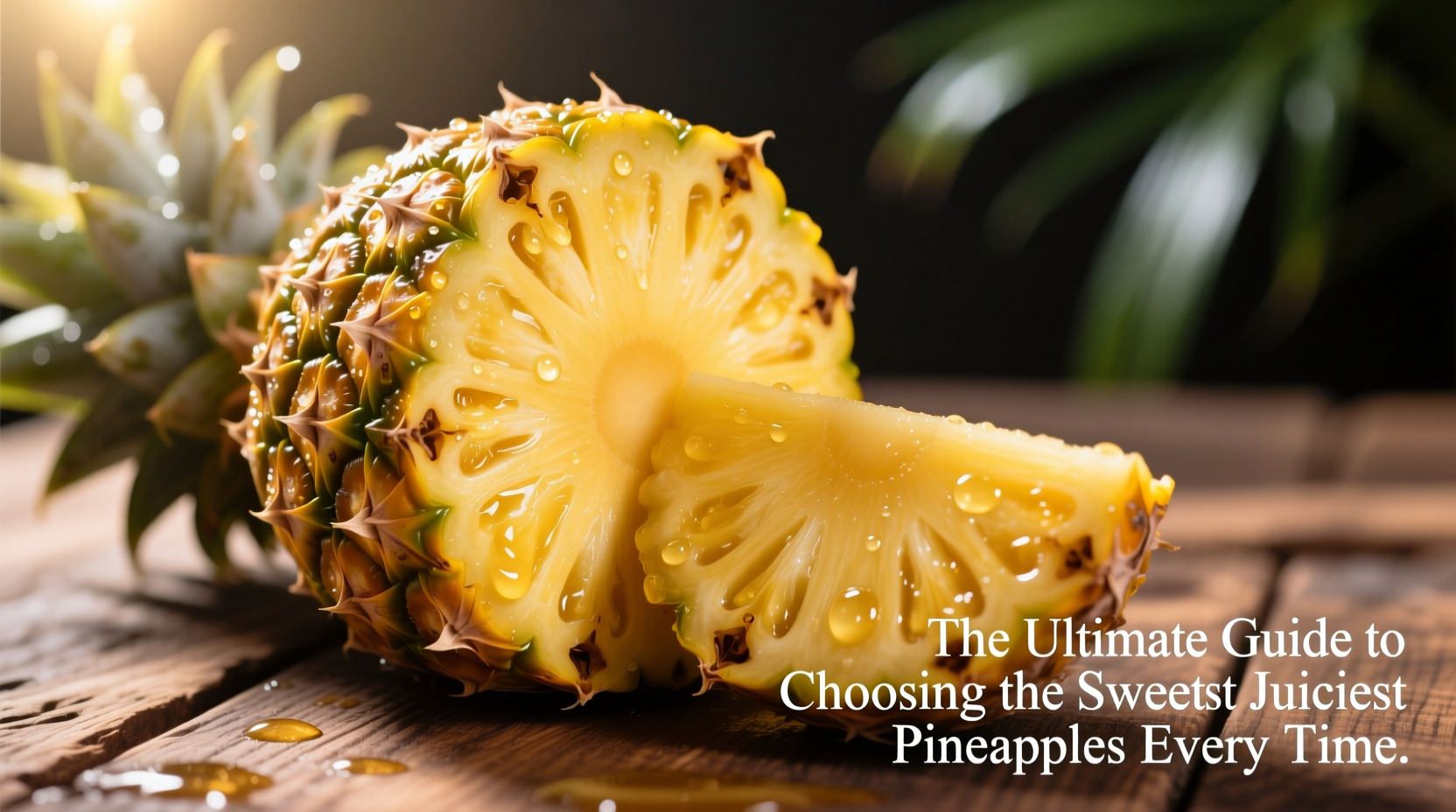
Unlike bananas or avocados, pineapples do not convert starches into sugars after being harvested. A pineapple that’s underripe when picked will never become truly sweet. It may soften over time, but it won’t gain the rich, honeyed flavor you expect. This makes timing and visual cues essential at the point of purchase.
The ideal pineapple has reached full maturity on the plant but hasn’t started to degrade. Maturity is influenced by growing conditions, harvest timing, and post-harvest handling. Commercial growers typically harvest pineapples when they’ve developed sufficient color and size, but not all suppliers prioritize flavor over shelf life.
The Five-Step Sensory Checklist for Perfect Selection
Selecting a top-tier pineapple involves engaging multiple senses. Follow this checklist every time you shop:
- Smell the base: A ripe pineapple emits a strong, sweet aroma at the stem end. If there's no scent, it's likely underripe. An overly fermented smell indicates overripeness.
- Check the color: Golden-yellow skin, especially near the base, signals ripeness. Green doesn’t always mean unripe—some varieties stay green—but deep gold is a reliable indicator of sugar development.
- Feel the weight: A heavy pineapple for its size contains more juice. Lighter ones may be dried out or past their prime.
- Press gently: The shell should yield slightly under pressure, like a ripe avocado. Too firm? Underripe. Too soft? Overripe.
- Inspect the leaves: Fresh, green, pliable leaves are a good sign. Dry, brown tips suggest age. Bonus: if a leaf pulls out easily from the center, the pineapple is likely ripe.
Common Myths About Pineapple Selection—Debunked
Misinformation leads many shoppers astray. Let’s clear up some persistent myths:
| Myth | Reality |
|---|---|
| You can ripen a pineapple on the counter. | No—sugar levels don’t increase post-harvest. It may soften, but won’t get sweeter. |
| Green pineapples are unripe. | Not necessarily. Some cultivars (like 'MD-2') stay green even when fully ripe. |
| Bigger pineapples are always better. | Size doesn’t equal quality. Focus on weight, smell, and firmness instead. |
| Spiky crowns indicate freshness. | Crown condition matters less than base aroma and heft. |
Expert Insight: What Farmers Look For
“Farmers use Brix testing to measure sugar content—ideally above 13°Bx for premium fruit. At retail, consumers can mimic this by trusting their nose. The stronger the tropical, floral scent at the bottom, the higher the sugar.” — Dr. Luis Mendez, Tropical Horticulturist, University of Hawaii
Seasonality and Varieties: When and What to Buy
Pineapples grow year-round in tropical regions, but peak flavor occurs during warmer months. In the U.S., Hawaiian and Costa Rican imports dominate, with peak availability from March through July. However, modern supply chains mean decent fruit is available anytime—if you know how to choose.
Different varieties offer distinct profiles:
- 'Smooth Cayenne': Classic supermarket type—tall, cylindrical, golden when ripe. Balanced sweet-tart flavor.
- 'MD-2' (Del Monte Gold): Sweeter, juicier, and often stays green. Found in most grocery stores.
- 'Sugarloaf': Less acidic, very sweet, with white flesh. Shorter and rounder in shape.
- 'Red Spanish': Firmer texture, aromatic, common in Latin markets.
Real Example: How One Home Cook Transformed Her Fruit Platters
Sophia, a meal-prep blogger from Miami, used to dread buying pineapples. “I’d cut into them and find they were either rock-hard or mushy,” she says. After learning to prioritize smell and weight, her success rate jumped. Now, she buys two at a time—one to eat immediately, one to refrigerate for three days. “The chilled one tastes even better—the cold enhances the sweetness,” she notes. Her followers report similar results using her method: sniff the base, pick the heaviest, and eat within 48 hours of cutting.
What to Do After You Bring It Home
Once purchased, proper storage preserves quality. A whole, uncut pineapple lasts 1–2 days at room temperature and 4–5 days in the refrigerator. Cut pieces should be sealed in an airtight container and consumed within 3–4 days.
To maximize juiciness before cutting:
- Store upside down for 30 minutes to redistribute juices toward the drier crown end.
- Let it sit at room temperature for 1–2 hours before slicing if refrigerated—cold dulls flavor.
“Temperature affects perception of sweetness. A pineapple served slightly cool highlights its bright acidity, while room-temperature fruit feels richer and sweeter.” — Chef Ana Torres, Culinary Instructor
Step-by-Step Guide to Cutting for Maximum Juice Retention
- Wash the exterior thoroughly to remove residues.
- Cut off the crown and base with a sharp knife.
- Stand the pineapple upright and slice off the peel in downward strokes, following the curve.
- Remove remaining \"eyes\" with a paring knife or V-cut.
- Cut into quarters lengthwise, then remove the tough core.
- Slice or cube as needed. For extra juice, reserve scraps and blend into smoothies.
Frequently Asked Questions
Can I speed up ripening by placing a pineapple in a paper bag?
No. Unlike ethylene-producing fruits like apples or bananas, pineapples do not respond to confined gases with increased sweetness. A paper bag may trap moisture and promote mold—skip it.
Why does my pineapple taste metallic or bitter?
This usually indicates overripeness or enzymatic breakdown. Bromelain, the enzyme in pineapples, breaks down proteins and can create off-flavors when the fruit starts to ferment. Always check for sour or alcoholic smells before cutting.
Is pre-cut pineapple ever a good option?
Only if it’s freshly prepared and stored cold. Pre-cut fruit loses moisture and vitamin C quickly. If buying pre-cut, inspect for browning edges and liquid pooling—signs of degradation.
Final Tips for Consistent Success
Choosing the sweetest, juiciest pineapple comes down to observation and instinct. Prioritize aroma over appearance, heft over height, and freshness over convenience. Shop later in the week when stores restock—older stock gets pushed forward. And don’t hesitate to ask produce staff when shipments arrived; fresher = better flavor.
Take Action Today
Your next pineapple experience doesn’t have to be a gamble. Use the sensory checklist, trust your nose, and remember: the best pineapple isn’t the biggest or the greenest—it’s the one that smells like sunshine and weighs like a promise. Try these techniques on your next shopping trip, and taste the difference. Share your success stories, favorite varieties, or recipe ideas in the comments—let’s build a community of smarter fruit lovers.




 浙公网安备
33010002000092号
浙公网安备
33010002000092号 浙B2-20120091-4
Comments
No comments yet. Why don't you start the discussion?