
A peaked cap—whether it’s a classic baseball cap, a structured fashion piece, or part of a uniform—is more than just an accessory. It's a statement. Over time, exposure to sweat, sunlight, dust, and frequent handling can degrade its fabric, shape, and color. Without proper care, even the finest cap can lose its appeal in months. But with the right techniques, you can preserve its look, comfort, and structure for years. This guide breaks down every essential step, from routine maintenance to deep cleaning and long-term storage, so your cap remains sharp, clean, and true to form.
Understanding Your Cap’s Material
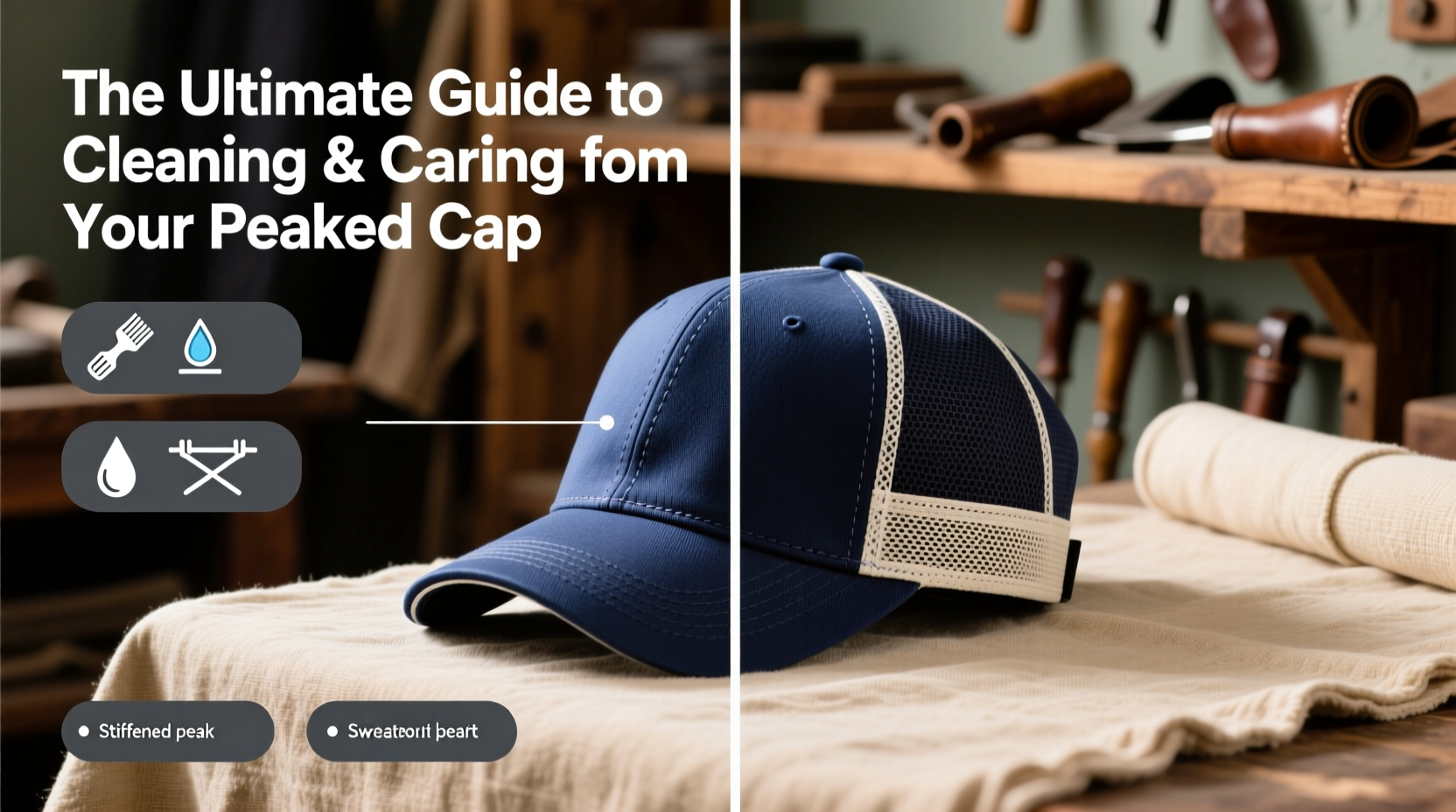
Before reaching for water or detergent, identify what your cap is made of. The material dictates how you should clean and store it. Most peaked caps fall into one of four categories: cotton, wool, polyester blends, or leather accents. Each responds differently to moisture, heat, and cleaning agents.
- Cotton: Breathable and common in casual caps, but prone to shrinking and fading if washed improperly.
- Wool: Often used in winter or vintage-style caps; requires gentle handling and air drying only.
- Polyester or synthetic blends: Durable and resistant to wrinkles, but may trap odors if not aired out.
- Leather visor or trim: Adds sophistication but needs conditioning to avoid cracking.
Mixing materials, like a cotton crown with a leather bill, means using a hybrid approach to care—one that protects both elements without damaging either.
The Right Way to Clean Your Peaked Cap
Regular cleaning prevents buildup of oils, sweat, and environmental grime. However, tossing your cap in the washing machine—even on gentle cycle—can warp the shape, weaken stitching, and ruin the stiffener inside the front panel.
Hand Washing Step-by-Step
- Fill a clean sink or basin with cool to lukewarm water.
- Add a small amount of mild detergent (like Woolite or a gentle dish soap).
- Submerge the cap and gently agitate with your hands, focusing on the sweatband and areas near the forehead.
- Use a soft toothbrush to lightly scrub stained spots, especially around the brim.
- Rinse thoroughly under cool running water until no suds remain.
- Press out excess water—never wring or twist the cap.
- Reshape the crown and visor before drying.
Drying is critical. Place the cap on a curved surface like a coffee mug or a cap form to maintain its shape. Avoid direct sunlight or heat sources, which can fade colors and warp plastic inserts.
“Improper drying is the number one reason caps lose their structure. Air-dry slowly, and always support the crown.” — Marcus Lin, Headwear Restoration Specialist
Do’s and Don’ts of Cap Maintenance
| Do | Don’t |
|---|---|
| Spot-clean weekly with a damp cloth | Soak the cap for extended periods |
| Use a soft brush for scuff marks | Put it in the dryer or dishwasher |
| Store in a cool, dry place away from sunlight | Leave it in a car or damp closet |
| Rotate between multiple caps to reduce wear | Use bleach or strong stain removers |
| Condition leather bills monthly with cream | Iron or steam the cap directly |
Real-Life Example: Reviving a Faded Favorite
James, a graphic designer from Portland, wore his navy-blue cotton peaked cap nearly every day for two years. By summer, the front panel had yellowed from sun exposure and sweat, and the brim was bent from being stuffed into bags. Instead of replacing it, he followed a restoration process: hand-washed it with baking soda and vinegar (1 tbsp each in a liter of water), reshaped it over a can, and conditioned the visor with a leather balm. After three days of careful drying, the cap looked nearly new. “It fits better now because I didn’t rush the drying,” he said. “I saved $35 and kept my favorite look intact.”
Long-Term Storage and Shape Preservation
If you own seasonal caps or are rotating styles, proper storage prevents dust accumulation, misshaping, and mildew. Never fold or crush a cap in a drawer. Instead:
- Store upright on a shelf or in a cap rack.
- Use silica gel packets nearby to absorb moisture.
- Keep away from windows to prevent UV damage.
- For travel, use a hard-shell cap container or stuff the crown with tissue paper to hold form.
For collectors or those with premium caps, consider investing in adjustable cap forms—plastic inserts that maintain curvature and protect against pressure during storage.
Seasonal Care Checklist
- ✔️ Wash cap before storing off-season
- ✔️ Condition leather or synthetic bills
- ✔️ Check for loose stitching and repair early
- ✔️ Store in breathable cotton bag (not plastic)
- ✔️ Rotate usage if owning multiple caps
Frequently Asked Questions
Can I wash a cap with a cardboard or plastic stiffener?
Yes, but avoid soaking for long periods. Excessive water can dissolve glue or warp thin cardboard panels. Hand wash quickly and dry thoroughly. If the cap feels floppy after washing, the stiffener may be compromised—replace it with a cut-to-size plastic insert available online.
How often should I clean my peaked cap?
For daily wear, spot-clean weekly and do a full hand wash every 3–4 weeks. Occasional wear? Clean once per season. Sweat-heavy environments (e.g., summer festivals, outdoor work) call for more frequent attention—every 10–14 days.
Why does the sweatband feel rough after washing?
This usually happens when detergent residue remains trapped in the fabric lining. Rinse extra thoroughly, especially inside the band. To restore softness, wipe the interior with a cloth dampened with diluted white vinegar (1 part vinegar to 3 parts water), then air dry completely.
Final Thoughts: Style Lasts Longer With Care
A well-maintained peaked cap doesn’t just look better—it performs better. It holds its shape, resists odors, and stays comfortable through seasons of wear. Whether it’s a sentimental gift, a branded staple, or a signature fashion piece, treating it with consistent care reflects pride in your personal style. Small habits—like wiping the sweatband after use, storing it properly, and avoiding machine washing—compound into years of extended life and confidence in your appearance.




 浙公网安备
33010002000092号
浙公网安备
33010002000092号 浙B2-20120091-4
Comments
No comments yet. Why don't you start the discussion?