
Serpentine jewelry has captivated wearers for centuries, symbolizing transformation, wisdom, and protection. The snake-shaped ring, in particular, combines intricate design with symbolic depth, making it a cherished piece in many collections. However, its detailed curves and textured surfaces make it more vulnerable to dirt buildup, tarnish, and physical damage than simpler bands. Without proper care, the luster can fade, crevices can trap grime, and delicate features may weaken over time. Preserving your snake ring isn’t just about aesthetics—it’s about honoring craftsmanship and maintaining value. This guide delivers actionable, expert-backed methods to clean, protect, and store your ring so it remains as striking as the day you first wore it.
Understanding Your Snake Ring’s Material
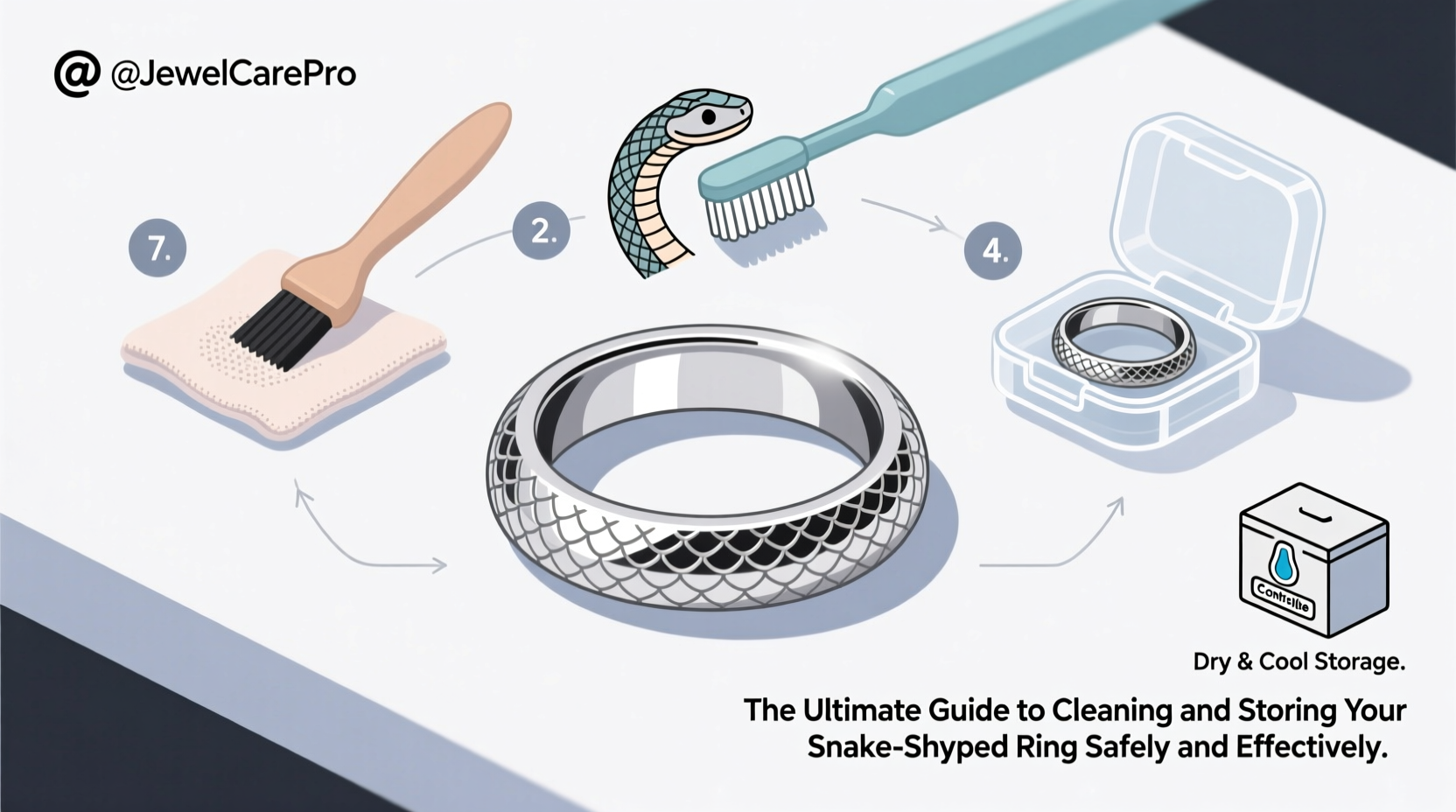
The first step in effective maintenance is knowing what your ring is made of. Most snake-shaped rings are crafted from one of three primary materials: sterling silver, gold (solid or plated), or alternative metals like stainless steel or titanium. Each material reacts differently to environmental exposure and cleaning agents.
Sterling silver, while elegant, is prone to tarnishing when exposed to air, moisture, and sulfur compounds found in everyday environments. Gold—especially solid 14k or 18k—is more resistant to corrosion but can still accumulate oils and lose shine. Gold-plated rings require extra caution, as abrasive cleaners can strip the thin outer layer. Stainless steel and titanium are highly durable and hypoallergenic, ideal for daily wear, but even they benefit from periodic cleaning to remove skin residue and lotions.
“Jewelry with intricate detailing, like coiled serpent designs, traps more debris than smooth bands. Regular, gentle cleaning prevents long-term buildup that can erode metal over time.” — Lena Torres, Master Jewelry Conservator at Heritage Restorations
Step-by-Step Guide to Cleaning Your Snake Ring
Cleaning a snake-shaped ring requires attention to its unique contours. Follow this six-step process to ensure thorough yet safe maintenance:
- Remove the ring carefully. Take it off before washing hands, applying lotions, or engaging in physical activity to prevent slippage or chemical exposure.
- Prepare a mild cleaning solution. Mix a few drops of phosphate-free dish soap with warm (not hot) water in a small bowl.
- Soak for 10–15 minutes. Submerge the ring to loosen accumulated oils and particles. Avoid prolonged soaking for plated or porous stones.
- Use a soft-bristled toothbrush. Gently scrub along the snake’s body, paying close attention to scales, eyes, and joints where dirt collects. Never use metal brushes or harsh abrasives.
- Rinse under lukewarm water. Hold the ring under a gentle stream to flush out loosened debris. Do not place directly in a sink drain to avoid loss.
- Dry thoroughly with a microfiber cloth. Polish lightly to restore shine and prevent water spots.
For heavily tarnished silver rings, consider using a silver polishing cloth specifically designed for jewelry. These cloths contain microscopic abrasives that lift tarnish without damaging fine details. Avoid liquid dip cleaners, which can seep into crevices and corrode underlying layers, especially in hollow or plated pieces.
Do’s and Don’ts of Snake Ring Care
| Do’s | Don’ts |
|---|---|
| Store in a fabric-lined jewelry box away from sunlight | Leave the ring exposed on bathroom counters |
| Clean monthly with a soft brush and mild soap | Use bleach, ammonia, or ultrasonic cleaners on plated rings |
| Remove during swimming, cleaning, or exercise | Wear while applying perfume, hairspray, or hand sanitizer |
| Inspect prongs and joints every few months | Store loosely with other jewelry causing scratches |
| Use anti-tarnish strips in storage drawers | Expose silver rings to rubber bands or latex gloves |
Safe and Effective Storage Solutions
Improper storage is a leading cause of jewelry damage. Snake rings, with their protruding heads and winding bodies, are especially susceptible to bending and scratching if jumbled with other pieces. The goal is to minimize friction, control humidity, and block light exposure.
Ideal storage includes individual fabric pouches, compartmentalized boxes with soft dividers, or hanging organizers with padded slots. For travelers, a rigid pill case lined with felt offers excellent protection. Avoid plastic bags, which can trap moisture and accelerate tarnishing, especially in silver.
If your ring features gemstones—such as emeralds for eyes or rubies for accents—ensure the storage environment is stable. Sudden temperature shifts or pressure can cause fractures in softer stones. Keep such pieces separate from heavier items that might knock against them.
Real Example: Recovering a Neglected Heirloom Ring
Maria inherited a vintage 925 silver snake ring from her grandmother. Stored for years in a paper envelope, it arrived darkened and caked with residue. Following professional advice, she avoided commercial dips and instead soaked it in warm soapy water for 12 minutes. Using a child’s toothbrush with ultra-soft bristles, she gently worked around each scale and behind the serpent’s head. After rinsing and drying, the ring regained much of its original brilliance. She then stored it in a zippered velvet pouch inside a cedar-lined box with an anti-tarnish strip. Two years later, the ring remains in excellent condition with only monthly wipe-downs needed.
This case underscores that even neglected pieces can be revived—with patience and the right method.
Essential Maintenance Checklist
- ✅ Identify your ring’s metal and stone composition
- ✅ Clean every 3–4 weeks with mild soap and water
- ✅ Inspect for loose elements or worn plating monthly
- ✅ Use a microfiber cloth after each wear to remove oils
- ✅ Store in a closed, dry container with minimal movement
- ✅ Schedule professional inspection annually for valuable pieces
- ✅ Remove during household chores, swimming, or intense activity
Frequently Asked Questions
Can I use toothpaste to clean my snake ring?
No. Despite popular myths, toothpaste is mildly abrasive and can scratch metal surfaces, especially softer gold or silver. It may also leave residue in tight spaces. Stick to pH-neutral dish soap for safety.
How often should I professionally clean my ring?
For high-value or intricately detailed pieces, annual professional servicing is recommended. Jewelers use steam or ultrasound systems that reach deep into crevices without harming the structure. More frequent visits may be needed if the ring shows signs of wear or discoloration.
Is it safe to wear my snake ring every day?
Yes, provided it’s made from durable materials like solid gold or stainless steel. However, daily wear increases exposure to chemicals and impact. Rotate it with other rings and remove it during risky activities to extend its lifespan.
Final Thoughts: Honor the Craft, Protect the Symbol
A snake-shaped ring is more than an accessory—it’s a statement of personal meaning and artistic appreciation. Its coils and gaze deserve respect through mindful care. By integrating regular cleaning, intelligent storage, and preventive habits, you ensure that this powerful symbol continues to command attention for decades. Whether it’s a modern fashion piece or a family heirloom, your actions today determine its legacy tomorrow.




 浙公网安备
33010002000092号
浙公网安备
33010002000092号 浙B2-20120091-4
Comments
No comments yet. Why don't you start the discussion?