
Silverware adds elegance to any dining experience, but over time, exposure to air, moisture, and food acids can cause tarnish and dullness. While silver is naturally antimicrobial and durable, it requires consistent care to maintain its luster. Whether you use sterling silver daily or reserve it for special occasions, understanding how to clean and preserve it properly ensures longevity and brilliance. This comprehensive guide covers scientifically backed techniques, practical storage solutions, and expert-recommended routines to keep your silverware gleaming.
Understanding Silver Tarnish: What Causes It?
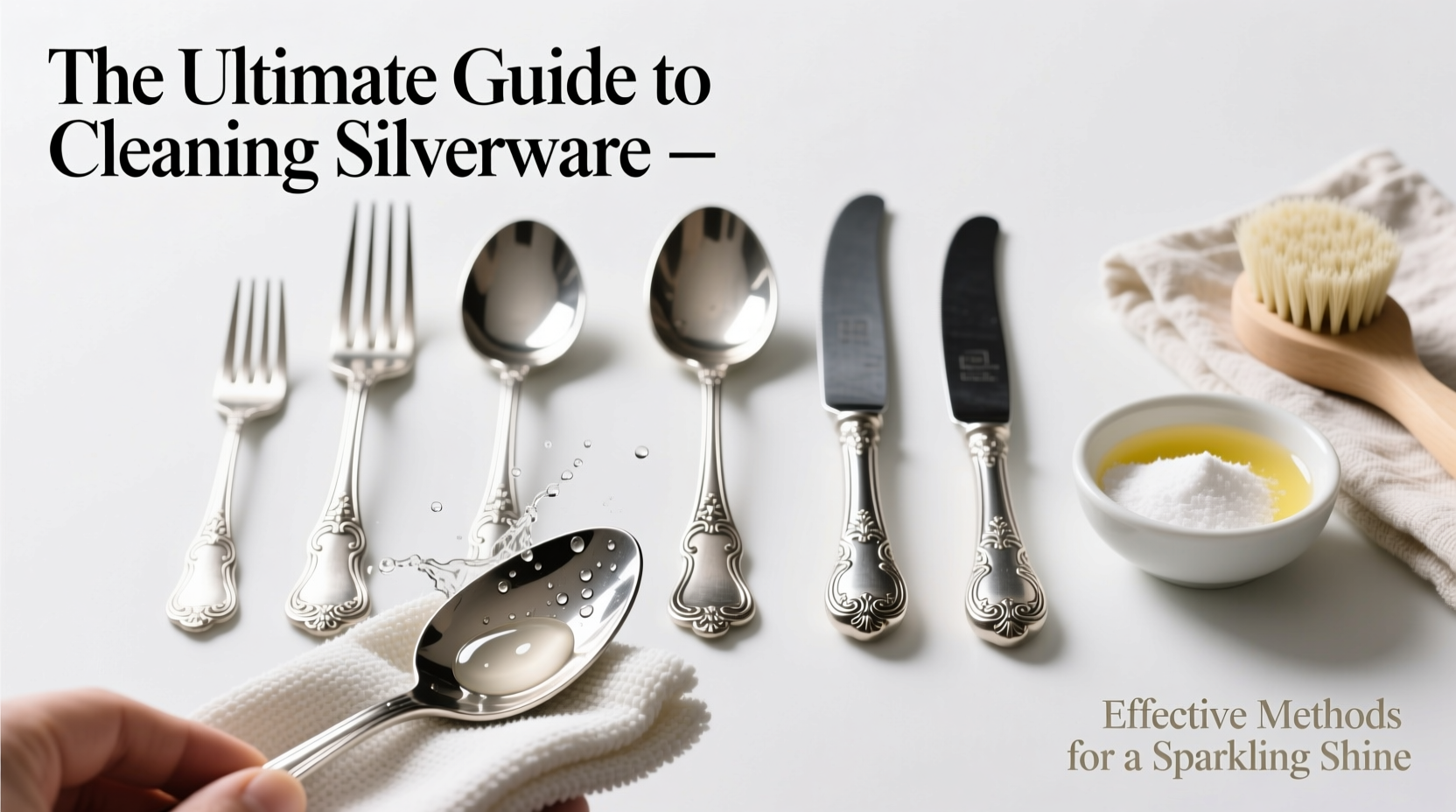
Tarnish on silver is not rust—it’s a chemical reaction. When silver reacts with sulfur compounds in the air (often from eggs, onions, rubber bands, or polluted environments), it forms silver sulfide, which appears as a dark, dull layer. Unlike corrosion, tarnish only affects the surface and can be safely removed without damaging the metal beneath. However, frequent polishing with abrasive materials can wear down fine details, especially on antique pieces.
The rate of tarnishing depends on environmental factors:
- High humidity accelerates oxidation.
- Exposure to chlorinated water or acidic foods increases discoloration.
- Poor storage—especially near wool, latex, or newspaper—introduces sulfur sources.
Step-by-Step Guide to Cleaning Silverware at Home
Cleaning silver doesn’t require expensive products. With common household items and proper technique, you can restore shine safely and effectively. Follow this detailed process:
- Pre-rinse thoroughly. Wash silverware with warm water and mild dish soap to remove food residue. Avoid soaking for extended periods, as water can seep into crevices and promote pitting.
- Dry completely. Use a soft cotton or microfiber cloth to prevent water spots.
- Choose your cleaning method based on tarnish severity (see next section).
- Polish gently. After treatment, buff with a lint-free cloth using circular motions.
- Store correctly. Ensure pieces are completely dry before storing to avoid trapped moisture.
Effective DIY and Commercial Cleaning Methods
Different levels of tarnish call for different approaches. Here’s a breakdown of reliable methods:
| Method | Best For | How It Works | Frequency |
|---|---|---|---|
| Baking Soda + Aluminum Foil (Ion Transfer) | Moderate to heavy tarnish | Uses electrolytic reaction to draw sulfur from silver to aluminum | Every 3–6 months |
| Commercial Silver Dip | Quick restoration of heavily tarnished pieces | Chemical solution dissolves silver sulfide rapidly | Rarely (once a year max) |
| Cloth Polishing with Silver Cream | Light tarnish, regular maintenance | Abrasive paste removes surface tarnish with manual rubbing | Monthly or as needed |
| Vinegar + Baking Soda Soak | Light cleaning, non-abrasive option | Mild acid reaction helps loosen tarnish | Occasionally |
“Silver should be cleaned with respect for its surface integrity. Over-polishing is one of the most common mistakes collectors make.” — Dr. Alan Prescott, Museum Conservator, Victoria & Albert Collection
Mini Case Study: Reviving a Family Heirloom Set
Martha from Portland inherited her grandmother’s 1947 sterling silver flatware set. Stored in a cedar chest wrapped in tissue paper, the pieces had developed deep black tarnish. She tried scrubbing with toothpaste—only making some spoons appear scratched and uneven. After consulting a local silversmith, she used the aluminum foil and baking soda method. Within 10 minutes, the forks and knives emerged with restored luster. The key was avoiding abrasive tools and repeating the process gently rather than forcefully. Martha now stores the set in an anti-tarnish cloth-lined box and hand-washes after each use. Her experience underscores that patience and correct method matter more than aggressive cleaning.
Do’s and Don’ts of Silverware Care
To protect your investment and preserve aesthetic quality, follow these guidelines:
| Do’s | Don’ts |
|---|---|
| Hand-wash immediately after use | Put silverware in the dishwasher (heat and detergent accelerate tarnish) |
| Use anti-tarnish cloths for storage | Store silver in wood chests or near rubber bands |
| Pollish regularly with a soft cloth | Use steel wool or harsh abrasives |
| Rotate usage to prevent long-term static storage | Soak silver in lemon juice or bleach solutions |
Frequently Asked Questions
Can I use toothpaste to clean silverware?
While some people use white toothpaste as a substitute for silver polish, it’s not recommended. Most toothpastes contain mild abrasives designed for enamel, which can scratch softer silver surfaces over time. If used occasionally and rinsed thoroughly, minimal damage may occur—but dedicated silver cloths or creams are safer and more effective.
How often should I clean my silverware?
For everyday sets, a gentle wash and buff after each use is sufficient. A deeper cleaning every 4–8 weeks prevents buildup. Occasional-use silverware should be inspected every few months and cleaned before and after storage. Regular attention reduces the need for intensive treatments later.
Is it safe to use the aluminum foil method on engraved or antique pieces?
Yes, when done correctly. The ion transfer method is non-abrasive and reaches intricate areas without scrubbing. However, avoid prolonged soaking (no more than 5 minutes) and never use if the silver has lacquered or painted detailing, as chemicals may affect coatings.
Checklist: Your Silverware Care Routine
Stay on top of maintenance with this simple checklist:
- ✅ Wash by hand with mild soap and dry immediately
- ✅ Inspect monthly for early signs of tarnish
- ✅ Use a silver polishing cloth weekly
- ✅ Deep clean using foil-baking soda method every 3–6 months
- ✅ Store in anti-tarnish bags or lined silverware cases
- ✅ Avoid exposure to high humidity and sulfur-rich materials
- ✅ Rotate use to prevent long dormancy
Conclusion: Shine Starts with Smart Habits
Beautiful silverware isn’t just about occasional deep cleaning—it’s the result of consistent, informed care. From understanding the chemistry of tarnish to choosing the right cleaning method for each situation, small actions compound into lasting brilliance. Whether you’re maintaining a modern set or preserving a family heirloom, the effort you invest today will pay off in generations of elegant meals. Take time this week to inspect your silver, apply one of the safe methods described, and organize it properly for future use.




 浙公网安备
33010002000092号
浙公网安备
33010002000092号 浙B2-20120091-4
Comments
No comments yet. Why don't you start the discussion?