
Bathroom mats serve a crucial role in safety and comfort, providing grip on wet surfaces and adding warmth underfoot. However, their constant exposure to moisture, soap residue, dead skin cells, and bacteria makes them a breeding ground for mold, mildew, and odors if not properly maintained. Non-slip mats, while designed for durability, require specific care to preserve their texture, adhesion, and cleanliness. This comprehensive guide delivers actionable strategies for deep cleaning, routine maintenance, and long-term preservation of your non-slip bathroom mats—ensuring they remain hygienic, functional, and fresh for years.
The Hidden Dangers of Neglected Bathroom Mats
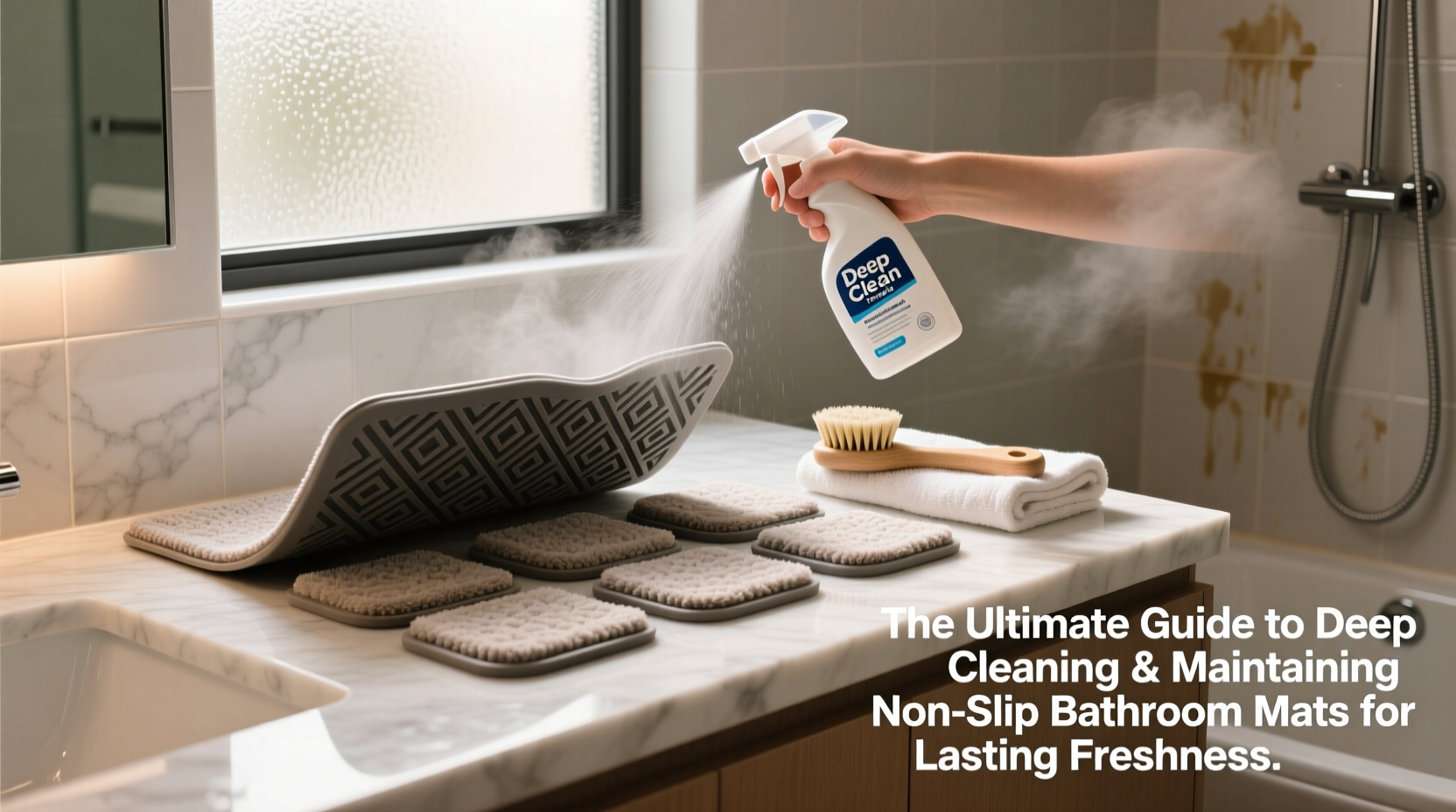
Many homeowners overlook the importance of mat hygiene, assuming that occasional rinsing is sufficient. In reality, non-slip mats trap moisture beneath their surface, creating an ideal environment for microbial growth. Over time, this leads to persistent odors, discoloration, and even degradation of the mat’s anti-slip backing.
A study by the American Society for Microbiology found that bathroom floor surfaces—including mats—can harbor high levels of *Staphylococcus* and *E. coli*, especially when damp conditions persist. Regular foot traffic spreads these microbes across the bathroom, increasing contamination risks.
“Non-slip mats are often the most overlooked item in bathroom sanitation. Their porous undersides can retain biofilms that resist standard wiping. Deep cleaning every two weeks is essential.” — Dr. Lena Patel, Environmental Hygiene Specialist
Step-by-Step Guide to Deep Cleaning Non-Slip Mats
Deep cleaning should be performed every 2–3 weeks, depending on usage. Follow this proven method to restore your mat’s freshness and performance.
- Remove loose debris: Shake the mat outdoors or vacuum both sides to eliminate hair, dust, and surface grime.
- Prepare cleaning solution: Mix 1 cup white vinegar, ½ cup baking soda, and 1 gallon of warm water in a bathtub or large basin.
- Soak the mat: Submerge the mat fully for 30 minutes. For heavily soiled mats, extend to 60 minutes.
- Scrub the surface: Use a soft-bristle brush to gently scrub both top fabric and rubber backing. Focus on corners and suction cups where mold accumulates.
- Rinse thoroughly: Rinse under running water until all suds and residue are gone.
- Disinfect (optional): Soak in a diluted bleach solution (¼ cup bleach per gallon of water) for 10 minutes if mold is visible. Do not mix bleach with vinegar.
- Dry completely: Hang vertically or lay flat in a well-ventilated area away from direct sunlight. Avoid using a dryer, as heat can warp rubber backing.
When to Use Bleach vs. Natural Cleaners
Bleach is effective against stubborn mold and bacteria but can degrade rubber over time. Reserve it for severe cases. For regular maintenance, vinegar and baking soda offer a safer, eco-friendly alternative without compromising cleaning power.
Maintenance Checklist for Long-Term Freshness
Prevention is more effective than remediation. Integrate these habits into your weekly routine to extend the life of your mats.
- ✅ Rinse the mat weekly with warm water to remove soap scum
- ✅ Hang or lay flat to dry after each shower
- ✅ Rotate between two mats to allow full drying time
- ✅ Vacuum or shake out debris every 3–4 days
- ✅ Inspect suction cups monthly for wear or loss of grip
- ✅ Store in a dry place when not in use (e.g., guest bathroom)
Cleaning Methods by Mat Material
Not all non-slip mats are created equal. The cleaning approach depends on the material composition. Using the wrong method can damage fibers or compromise grip.
| Mat Type | Cleaning Method | Avoid |
|---|---|---|
| Silicone | Dishwasher-safe (top rack), or hand wash with mild soap | Harsh abrasives, bleach |
| Rubber-backed fabric | Vinegar soak, gentle machine wash (cold, gentle cycle) | Hot water, dryer, iron |
| PVC foam | Spot clean with soapy water; do not submerge | Submersion, bleach, scrubbing with steel wool |
| Natural fiber (jute, cotton) | Hand wash only; air dry flat | Machine washing, prolonged soaking |
Real Example: Reviving a Moldy Mat in a High-Humidity Home
Sarah, a homeowner in Florida, noticed a persistent musty smell from her bathroom mat despite weekly wiping. After three months, black spots appeared on the underside. She followed the deep cleaning protocol: soaked the rubber-backed cotton mat in a vinegar-baking soda solution, scrubbed with a toothbrush, then disinfected with a brief bleach dip. After thorough rinsing and 24 hours of airflow from a portable fan, the odor vanished and grip was restored. Sarah now rotates two mats and keeps one airing out at all times—a simple change that eliminated recurring issues.
Do’s and Don’ts of Non-Slip Mat Care
Even with good intentions, common mistakes can shorten a mat’s lifespan. Refer to this quick-reference table to avoid pitfalls.
| Do’s | Don’ts |
|---|---|
| Wash every 2–3 weeks with natural cleaners | Use undiluted bleach regularly |
| Allow 24–48 hours of drying time | Place wet mats directly on tile or in cabinets |
| Replace mats showing cracks or peeling backing | Ignore signs of mildew or odor |
| Use a mesh laundry bag for machine washing | Wash with heavy towels that reduce agitation |
Frequently Asked Questions
How often should I replace my non-slip bathroom mat?
With proper care, most high-quality mats last 1.5 to 3 years. Replace sooner if the backing is cracked, suction cups no longer adhere, or odors persist after cleaning.
Can I machine wash all non-slip mats?
No. Only mats labeled “machine washable” should be cleaned this way—typically rubber-backed fabric types. Silicone and PVC mats may warp or degrade. Always check manufacturer instructions.
Why does my mat still smell after washing?
Residual moisture trapped in the backing is the likely culprit. Ensure full air drying for at least 24 hours. If odor persists, soak in an enzymatic cleaner designed for organic matter breakdown.
Final Thoughts: Small Habits, Lasting Results
Maintaining a clean, functional non-slip bathroom mat isn’t just about aesthetics—it’s a critical component of household hygiene and safety. By incorporating consistent drying practices, biweekly deep cleans, and material-specific care, you protect your investment and safeguard your family’s health. The effort required is minimal compared to the benefits: reduced slip risk, fresher bathrooms, and longer-lasting products.




 浙公网安备
33010002000092号
浙公网安备
33010002000092号 浙B2-20120091-4
Comments
No comments yet. Why don't you start the discussion?