
Reusable shopping bags are a staple in eco-conscious households, reducing plastic waste and offering durable transport for groceries and goods. But while they’re built to last, they also accumulate dirt, food residue, bacteria, and odors over time. Without proper care, these bags can become unhygienic and even contribute to cross-contamination. A routine deep clean isn’t just about appearance—it’s essential for health, safety, and longevity. This guide covers how to clean every type of reusable bag safely, using methods backed by textile experts and hygiene professionals.
Why Deep Cleaning Matters More Than You Think
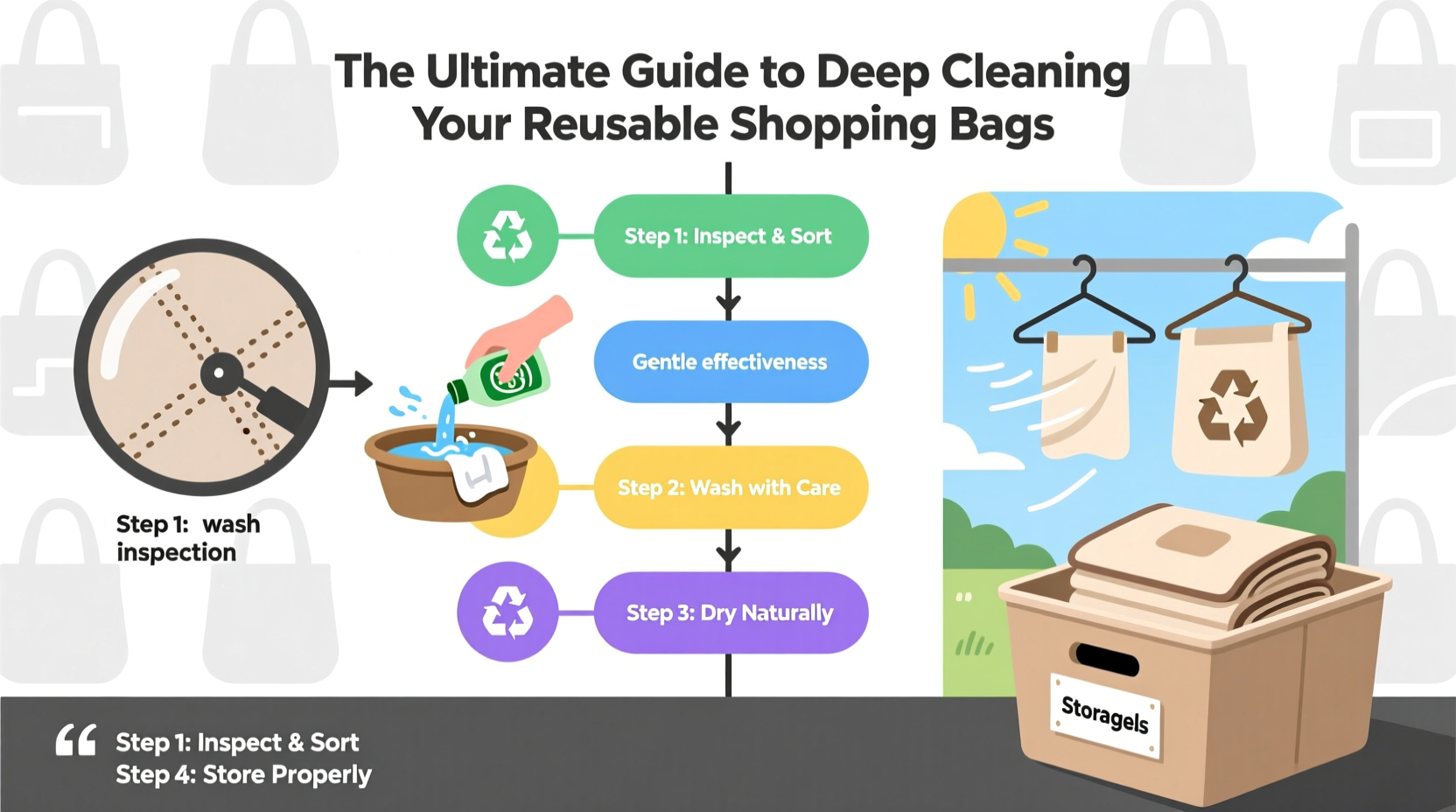
Many people assume that because reusable bags aren’t worn like clothing, they don’t need frequent washing. However, studies show that unwashed grocery bags can harbor dangerous pathogens like E. coli and Salmonella, especially if used for raw meat, produce, or damp items. The Centers for Disease Control and Prevention (CDC) has linked several foodborne illness outbreaks to contaminated reusable bags.
Additionally, odor buildup, mildew, and staining can degrade fabric integrity over time. Regular deep cleaning not only protects your family but also extends the usable life of your bags—saving money and further reducing environmental impact.
“Just like kitchen sponges, reusable bags are high-touch items that require consistent sanitation. Neglecting them defeats the purpose of sustainable living.” — Dr. Lena Patel, Environmental Health Specialist
Know Your Bag: Materials and Their Cleaning Needs
Not all reusable bags are created equal. The cleaning method depends entirely on the material. Using the wrong technique—like tossing a non-machine-washable bag into the washer—can ruin it. Below is a breakdown of common types and their ideal care:
| Material Type | Cleaning Method | Drying Instructions | Special Notes |
|---|---|---|---|
| Cotton/Canvas | Machine wash cold or hand wash | Air dry flat or hang; avoid dryer | Preshrink before first use to prevent warping |
| Polyester/Nylon (Non-insulated) | Machine wash warm; gentle cycle | Hang dry; low heat if labeled safe | Resistant to mold but prone to static and pilling |
| Insulated Bags | Spot clean only or wipe with disinfectant | Open fully and air dry 24+ hours | Never submerge—water damages insulation layer |
| Recycled Plastic (RPET) | Hand wash with mild detergent | Lay flat to dry; no wringing | Eco-friendly but sensitive to abrasion and heat |
| Leather/Faux Leather | Wipe with damp cloth and leather-safe cleaner | Wipe dry immediately; condition monthly | Avoid water saturation and direct sunlight |
Step-by-Step Guide to Deep Cleaning Each Bag Type
A one-size-fits-all approach won’t work. Follow these tailored steps based on your bag’s construction.
For Cotton and Canvas Bags
- Empty the bag completely and shake out loose debris.
- Turn inside out to expose hidden grime.
- Pre-treat stains with a paste of baking soda and water or oxygen-based bleach.
- Wash in cold water on a gentle cycle with mild detergent. Avoid fabric softeners.
- Hang or lay flat to dry—never use a dryer, as heat can shrink or warp the fabric.
For Polyester, Nylon, and RPET Bags
- Empty and inspect for tears or worn seams.
- Use a soft brush to remove surface dust from crevices.
- Wash in warm water on a delicate cycle with a low-suds detergent.
- Rinse thoroughly to prevent soap residue buildup.
- Hang in a well-ventilated area away from direct sunlight to prevent UV degradation.
For Insulated and Thermal Bags
- Remove any inserts or liners.
- Mix a solution of equal parts water and white vinegar.
- Dip a microfiber cloth into the solution and wipe the interior and exterior surfaces.
- For stubborn odors, place an open box of baking soda inside overnight.
- Allow the bag to air dry completely with the opening facing up—this may take 24–48 hours.
For Faux or Genuine Leather Bags
- Wipe down with a slightly damp microfiber cloth.
- Apply a small amount of pH-balanced leather cleaner with a second cloth.
- Gently rub in circular motions, focusing on soiled areas.
- Buff dry immediately to prevent moisture absorption.
- Condition monthly with a leather-specific product to maintain suppleness.
Mini Case Study: How One Household Reduced Grocery Contamination
The Thompson family in Portland, Oregon, began using reusable bags exclusively in 2021. Within months, two family members experienced recurring stomach issues after grocery trips. After consulting a local public health advisor, they tested their bags and found high levels of coliform bacteria in a frequently used insulated tote that had never been cleaned.
They implemented a new routine: cotton bags washed weekly, polyester bags biweekly, and insulated bags wiped down after every use involving perishables. They also started storing bags in breathable cotton pouches instead of leaving them in the car. Over the next six months, gastrointestinal complaints dropped to zero. “We didn’t realize how much risk we were carrying home in our own bags,” said Sarah Thompson. “Now cleaning them is as routine as loading the dishwasher.”
Essential Do’s and Don’ts for Safe Cleaning
| Do | Don't |
|---|---|
| Wash or wipe bags after carrying raw meat, fish, or unpackaged produce | Submerge insulated bags in water |
| Rotate multiple bags to allow full drying between uses | Use bleach on colored or delicate fabrics |
| Store clean bags in a dry, ventilated space | Leave wet bags bunched up in a closet or trunk |
| Use natural disinfectants like vinegar or hydrogen peroxide | Put leather or waxed canvas bags in the washing machine |
| Inspect for wear and tear during each cleaning | Ignore persistent mildew—it signals deeper contamination |
Checklist: Monthly Deep-Clean Routine
- ☐ Empty and inspect all reusable bags
- ☐ Sort by material type for appropriate cleaning
- ☐ Pre-treat visible stains or odors
- ☐ Wash or wipe according to care guidelines
- ☐ Air dry completely—do not rush with heat
- ☐ Check seams, handles, and zippers for damage
- ☐ Store in a clean, dry location ready for next use
Frequently Asked Questions
How often should I deep clean my reusable shopping bags?
At minimum, clean fabric and synthetic bags every 2–4 weeks. If you carry raw foods or shop in hot, humid climates, weekly cleaning is recommended. Insulated bags should be wiped after each use with perishables and undergo a full deodorizing treatment monthly.
Can I use disinfectant wipes on all bag types?
No. While disinfectant wipes are effective on hard surfaces, many contain alcohol or harsh chemicals that can degrade fabric fibers or leave toxic residues. Use them only on non-porous surfaces like plastic-lined interiors or faux leather, and always follow with a water-dampened cloth to remove residue.
What’s the best way to eliminate odors without washing?
Place crumpled newspaper or an open container of baking soda inside the bag and leave it in a dry area for 24–48 hours. For stronger smells, sprinkle a teaspoon of activated charcoal inside overnight. Sunlight exposure (for non-UV-sensitive materials) can also help neutralize odors naturally.
Keep Your Bags—and Your Home—Cleaner and Safer
Deep cleaning reusable shopping bags isn’t just a chore—it’s a critical part of maintaining a healthy household. With the right knowledge, you can protect your family from unseen contaminants while getting years of use from your eco-friendly investment. Make cleaning a seamless part of your post-grocery routine, just like unpacking the fridge. Small habits create lasting impact.




 浙公网安备
33010002000092号
浙公网安备
33010002000092号 浙B2-20120091-4
Comments
No comments yet. Why don't you start the discussion?