
Building blocks are more than just toys—they’re tools for imagination, problem-solving, and hands-on learning. But when bricks are scattered across the floor or buried in overstuffed bins, the joy of creation quickly turns into a chore. An organized system transforms chaos into clarity, making it easier to find the right piece, inspire spontaneous builds, and maintain long-term engagement. Whether you're managing a child’s collection, a hobbyist’s stash, or a classroom set, strategic organization is the key to unlocking consistent, frustration-free play.
Why Organization Matters Beyond Tidiness
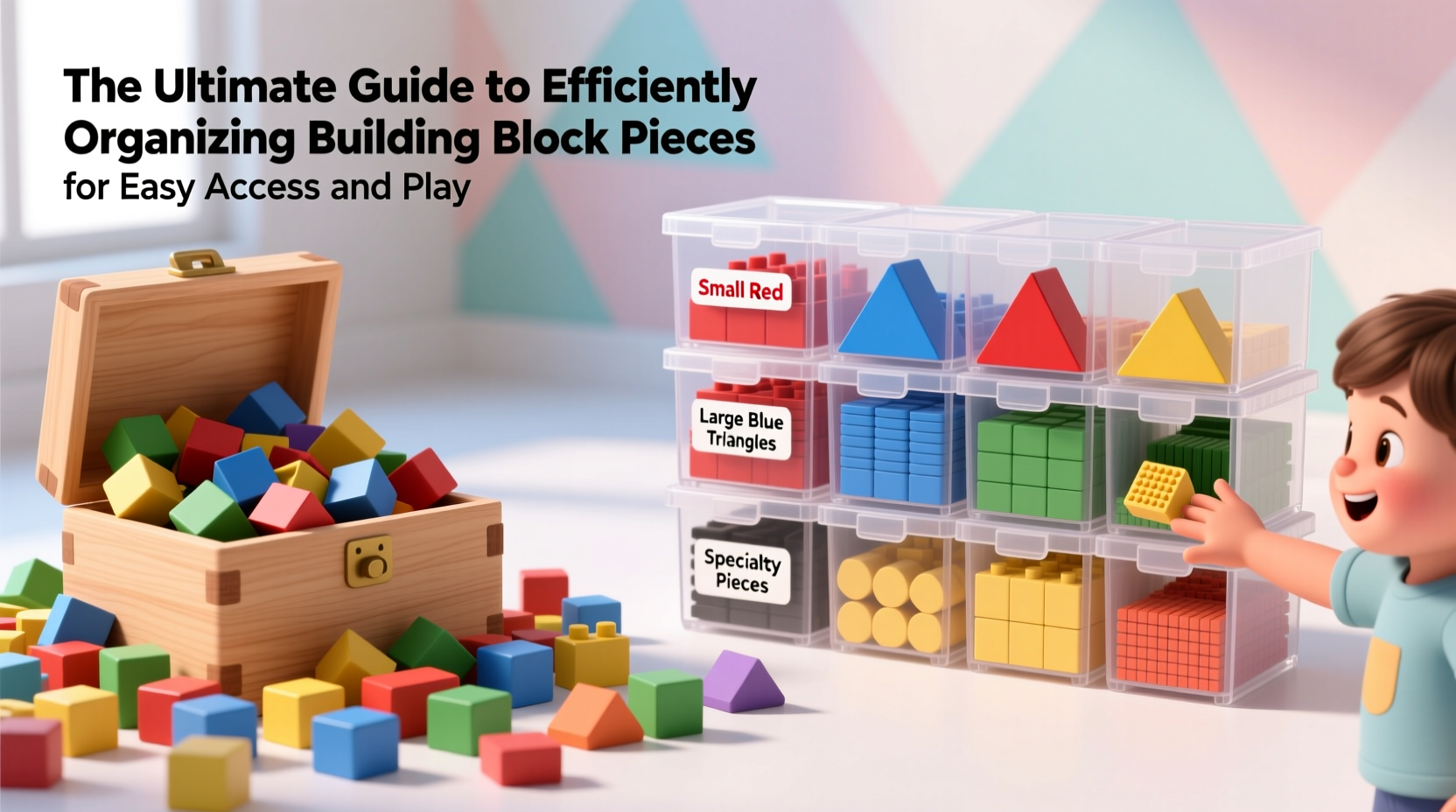
Efficient organization isn’t about neatness alone—it directly impacts creativity and usability. When pieces are accessible, children and adults alike spend less time searching and more time building. Studies in developmental psychology suggest that structured environments foster independence and decision-making in young builders. A well-organized setup also reduces wear and tear on pieces by minimizing crushing, loss, and exposure to dust or moisture.
“Children who can independently access and return their materials develop stronger executive function skills—planning, focus, and self-control.” — Dr. Laura Simmons, Early Childhood Development Researcher
A Step-by-Step System for Sorting Building Blocks
Effective sorting begins with intentionality. Follow this five-phase approach to build a sustainable organization system tailored to your space and usage patterns.
- Empty and assess: Remove all pieces from existing containers. Take inventory of types, quantities, and condition. Discard broken or unidentifiable parts.
- Categorize by function and size: Group pieces into broad categories: baseplates, bricks, slopes, windows, doors, figures, wheels, and specialty elements.
- Subdivide by color (optional): For large collections, further divide major categories by color. This enhances visual appeal and speeds up themed builds.
- Choose appropriate containers: Use clear, stackable bins with labels. Smaller compartments work best for rare or tiny pieces.
- Create a dedicated workspace: Designate a flat surface with nearby storage. Include a sorting tray for active projects.
Storage Solutions: Matching Containers to Your Needs
The right container balances accessibility, durability, and space efficiency. Consider these options based on your environment and user age.
| Solution | Best For | Pros | Cons |
|---|---|---|---|
| Clear plastic drawers (stackable) | Homes, classrooms | Visible contents, modular, secure | Can be expensive at scale |
| Labelled shoeboxes | Budget-conscious organizers | Inexpensive, customizable | Less durable, opaque unless modified |
| Pegboards with bins | Workshops, older builders | Wall-mounted, saves floor space | Requires installation, not portable |
| Rolling carts with drawers | Makerspaces, shared areas | Mobile, high capacity | Takes up space, can tip if overloaded |
| Fabric bins with dividers | Young children, nurseries | Soft edges, lightweight | Not ideal for small pieces, harder to label |
Labeling for Long-Term Success
Labels are essential for consistency. Use icons alongside text for younger users—for example, a picture of a wheel next to the word “Wheels.” Laminated tags or waterproof labels withstand frequent handling. Rotate labels seasonally if themes change (e.g., holiday builds, space exploration).
Real-Life Example: The Johnson Family’s Turnaround
The Johnsons had three children aged 5 to 10, each collecting different building sets. Their living room rug was routinely covered in loose bricks, leading to frequent arguments and broken pieces underfoot. After dedicating a weekend to reorganization, they implemented a tiered system: large baseplates stored flat in a low cabinet, bricks sorted by type in stackable drawers, and minifigures kept in labeled pill boxes. They added a rolling cart with a lid for ongoing projects. Within two weeks, cleanup time dropped from 30 minutes to under 5, and collaborative builds increased significantly. The parents reported fewer conflicts and greater pride in maintaining order.
Smart Maintenance and Usage Habits
Even the best system fails without routine upkeep. Integrate these habits into daily or weekly rhythms:
- Perform a quick 5-minute tidy after each build session.
- Dedicate one drawer or bin as a “mystery pile” for unidentified pieces, then schedule monthly sorting sessions.
- Store baseplates vertically like books to prevent warping.
- Keep a soft brush handy to remove dust from crevices.
- Use zip-top bags for themed kits or instruction-based builds in progress.
“The most effective systems aren’t perfect—they’re resilient. They adapt to how people actually use the space.” — Marcus Tran, Toy Organization Consultant
Checklist: Building Block Organization Audit
Use this checklist quarterly to ensure your system remains functional and inspiring:
- ✅ All containers are clearly labeled and visible
- ✅ No bin is overfilled (leave 1–2 inches of headspace)
- ✅ Frequently used pieces are within easy reach
- ✅ Damaged or non-compatible pieces have been removed
- ✅ Active project area is protected from foot traffic
- ✅ Storage is secure from pets or younger siblings
- ✅ Cleaning supplies (brush, microfiber cloth) are nearby
Frequently Asked Questions
How do I organize thousands of mixed pieces without spending hours?
Start with broad categories first—bricks, plates, slopes, etc.—and use large bins. Refine subdivisions gradually during natural downtime. Focus on what you use most. Even partial organization yields immediate benefits.
What’s the best way to store minifigures and accessories?
Small compartment organizers or craft storage cases work best. Group by theme (e.g., space, city, fantasy) and use labeled sections. Avoid tossing them into general bins where they get lost or damaged.
Can I use vacuum-sealed bags for long-term storage?
No. Compression can warp delicate pieces, especially flexible plastics or printed elements. Instead, use rigid containers in a climate-controlled area away from direct sunlight.
Conclusion: Build Better by Organizing Smarter
An organized building block collection doesn’t just look better—it plays better. When every piece has a home, creativity flows freely, cleanup becomes effortless, and the entire experience shifts from chaotic to empowering. The initial effort pays lasting dividends in time saved, frustration reduced, and inspiration sparked. Whether you’re a parent, educator, or lifelong builder, now is the time to transform your space with a system that supports, rather than hinders, the joy of creation.




 浙公网安备
33010002000092号
浙公网安备
33010002000092号 浙B2-20120091-4
Comments
No comments yet. Why don't you start the discussion?