
For decades, kibble has dominated the pet food market. But a growing number of dog owners are turning to real, whole foods—chicken, vegetables, grains, and organ meats—to nourish their pets more naturally. While this shift can offer benefits like improved coat health, better digestion, and increased energy, it also comes with risks if not done correctly. A poorly balanced homemade diet can lead to nutrient deficiencies, long-term health issues, or even toxicity.
Feeding your dog real food isn’t just about swapping kibble for chicken breast. It requires understanding canine nutritional needs, sourcing quality ingredients, and ensuring every meal supports lifelong health. This guide breaks down everything you need to know to feed your dog real food safely and nutritionally—without guesswork.
Understanding Canine Nutritional Needs
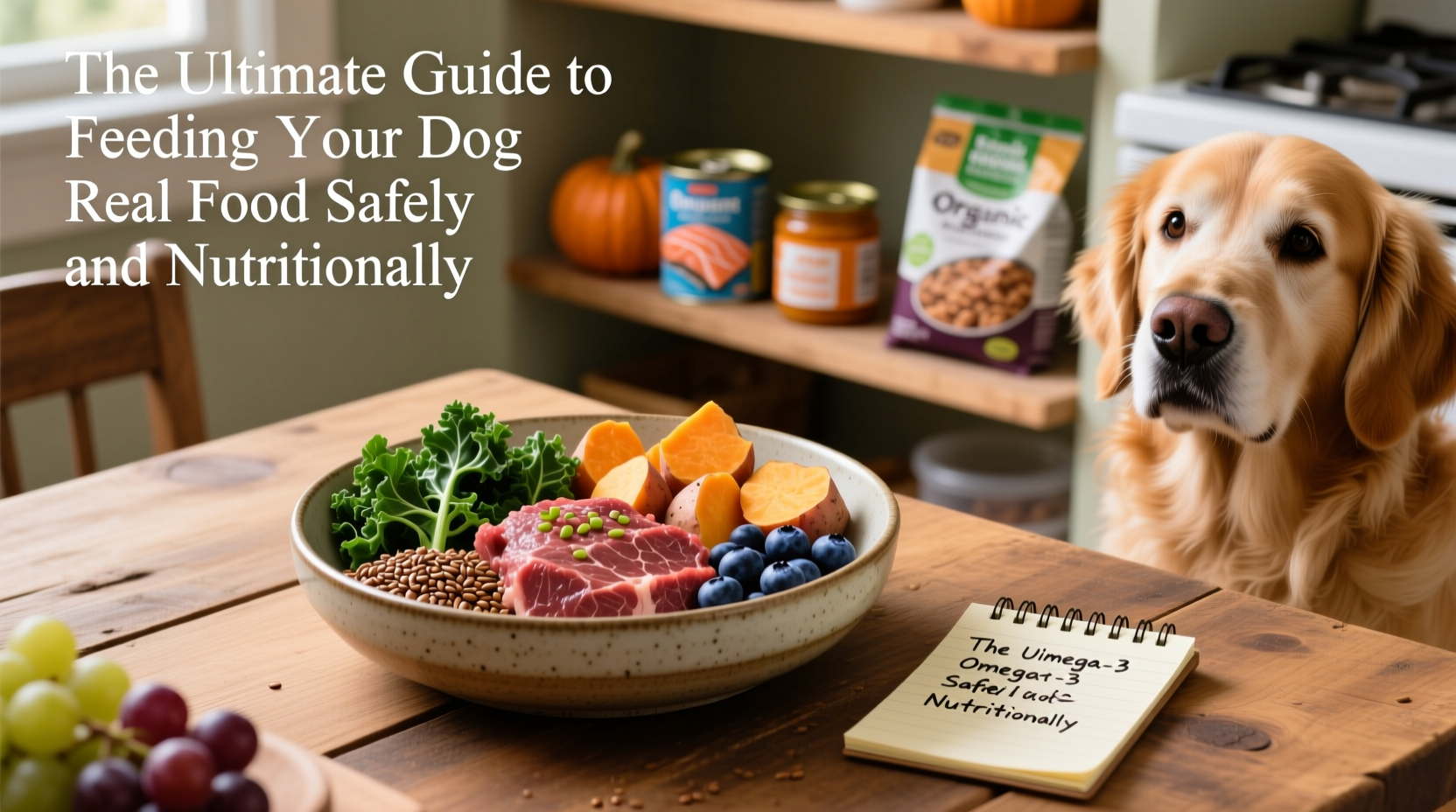
Dogs are omnivores with a carnivore-leaning metabolism. They require a balance of protein, fats, carbohydrates, vitamins, and minerals. Unlike humans, dogs don’t need variety for psychological satisfaction—they need it for physiological balance.
The Association of American Feed Control Officials (AAFCO) outlines baseline nutritional requirements for dogs at various life stages. Key components include:
- Protein: At least 18–22% in adult diets, higher for puppies and active dogs. Sources should be animal-based: chicken, turkey, beef, fish, eggs.
- Fat: 5–15%, essential for energy, skin health, and absorption of fat-soluble vitamins (A, D, E, K).
- Calcium-to-phosphorus ratio: Ideally 1:1 to 1.2:1. Imbalances can cause skeletal problems, especially in large-breed puppies.
- Carbohydrates: Not essential but beneficial when sourced from digestible vegetables and whole grains like sweet potatoes, oats, or brown rice.
- Vitamins & Minerals: Include trace nutrients like zinc, selenium, vitamin B12, and omega-3 fatty acids, which are hard to get consistently without supplementation or organ meats.
“Homemade diets can be excellent, but they’re only as good as their formulation. Over 90% of owner-prepared diets fall short in one or more essential nutrients.” — Dr. Susan Wynn, Veterinary Nutritionist, ACVN Diplomate
Building a Balanced Real-Food Meal
A complete meal isn’t just meat and carrots. It’s a calculated blend of macronutrients and micronutrients. Use this foundational template for a single meal:
| Component | Percentage of Meal | Examples |
|---|---|---|
| Protein (muscle meat) | 40–50% | Chicken thighs, ground turkey, lean beef, canned sardines |
| Organ meats | 10% | Liver (5%), kidney, heart (5%) |
| Bone source / calcium | 10% | Crushed eggshells (1 tsp per lb of food), bone meal, or commercial calcium supplement |
| Vegetables & fiber | 20–30% | Steamed broccoli, carrots, spinach, pumpkin, green beans |
| Carbohydrates (optional) | 10–20% | Cooked brown rice, quinoa, sweet potato |
| Fats & supplements | Added separately | Fish oil (omega-3), flaxseed oil, multivitamin formulated for dogs |
Step-by-Step Guide to Transitioning to Real Food
Moving from processed kibble to real food should be gradual to avoid digestive upset. Follow this 7-day timeline:
- Day 1–2: Mix 25% real food with 75% current diet.
- Day 3–4: Increase to 50% real food, 50% old food.
- Day 5–6: Use 75% real food, 25% old food.
- Day 7: Feed 100% real food.
Monitor your dog closely during the transition. Signs of intolerance include loose stools, gas, vomiting, or lethargy. If these occur, slow the process or consult your vet.
After two weeks on the new diet, assess changes in energy levels, coat condition, stool quality, and appetite. These are strong indicators of whether the diet is working.
Common Mistakes and How to Avoid Them
Even well-intentioned owners make errors that compromise their dog’s health. Here are frequent pitfalls and how to sidestep them:
- Skipping calcium supplementation: Feeding only muscle meat without a calcium source leads to severe imbalances. Always add a safe calcium source.
- Over-relying on chicken and rice: While bland and digestible, this combo lacks essential fatty acids, trace minerals, and variety.
- Using toxic ingredients: Onions, garlic, grapes, raisins, xylitol, and excessive salt are dangerous. Never include them, even in small amounts.
- Not adjusting for life stage: Puppies, seniors, and pregnant dogs have different needs. A Labrador puppy requires nearly twice the calories and specific calcium ratios compared to an adult.
- Assuming “natural” means “complete”: Raw chicken and carrots aren’t enough. Without planning, critical nutrients like taurine, iodine, or vitamin D will be missing.
“Many owners think they’re doing right by feeding ‘people food,’ but they’re unknowingly creating malnutrition. Balance is everything.” — Dr. Cailin Heinze, MS, Veterinary Nutritionist
Real Example: Max, the 4-Year-Old Beagle
Max had chronic ear infections, a dull coat, and low energy. His owner, Lisa, switched him to a homemade diet of grilled chicken, white rice, and peas—thinking it was healthier than his grain-free kibble. After six months, Max lost weight and became lethargic. A veterinary nutritionist reviewed his diet and found it was deficient in calcium, omega-3s, and several B vitamins.
With a revised plan—adding liver, eggshell calcium, steamed kale, and fish oil—Max’s energy returned within weeks. His coat thickened, and his ear infections decreased significantly. The change wasn’t just adding real food; it was balancing it correctly.
Essential Checklist for Safe Real-Food Feeding
Before serving your first homemade meal, go through this checklist:
- ☑ Consult your veterinarian or a board-certified veterinary nutritionist before starting.
- ☑ Use a balanced recipe from a reputable source (e.g., BalanceIT, DogNutritionConsulting.com).
- ☑ Include a reliable calcium source in every meal.
- ☑ Incorporate organ meats (especially liver) regularly.
- ☑ Avoid toxic foods: onions, garlic, chocolate, grapes, alcohol, caffeine.
- ☑ Cook meat thoroughly unless following a professionally formulated raw diet.
- ☑ Store portions properly: refrigerate for up to 4 days or freeze in meal-sized containers.
- ☑ Monitor your dog’s weight, stool, and behavior monthly.
Frequently Asked Questions
Can I mix real food with kibble?
Yes, but be cautious. Mixing can alter digestion rates and may reduce the benefits of both. If combining, consider feeding real food and kibble at separate meals. Also, ensure the total diet remains balanced—don’t double up on supplements.
Is raw feeding safe?
Raw diets carry risks of bacterial contamination (Salmonella, E. coli) for both dogs and humans. They can also be unbalanced. If choosing raw, use commercially prepared, pathogen-tested options or work with a veterinary nutritionist to formulate a safe, complete diet.
How much should I feed my dog?
Most adult dogs need 2–3% of their body weight in food per day, split into two meals. For example, a 50-pound dog would eat 1 to 1.5 pounds daily. Adjust based on activity level, age, and body condition. Puppies may need up to 5–10% of their body weight, divided into 3–4 meals.
Final Thoughts: Nourishment Beyond Kibble
Feeding your dog real food can deepen your connection and support their vitality—but only if done with care, knowledge, and consistency. This isn’t about perfection; it’s about progress. Start with one balanced meal per week, learn what works, and build from there. Partner with professionals, track results, and prioritize safety over trends.




 浙公网安备
33010002000092号
浙公网安备
33010002000092号 浙B2-20120091-4
Comments
No comments yet. Why don't you start the discussion?