
Finding a ring that looks like it came straight from a high-end boutique—but at a fraction of the price—is entirely possible. With rising demand for luxury aesthetics and tighter budgets, more shoppers are turning to alternatives that offer the same visual impact without the five-figure price tag. The key lies in knowing where to look, what to look for, and how to evaluate craftsmanship beyond the brand name. This guide breaks down proven strategies to help you secure stunning designer-style rings that are both affordable and built to last.
Understanding the Difference Between Designer and Designer Style
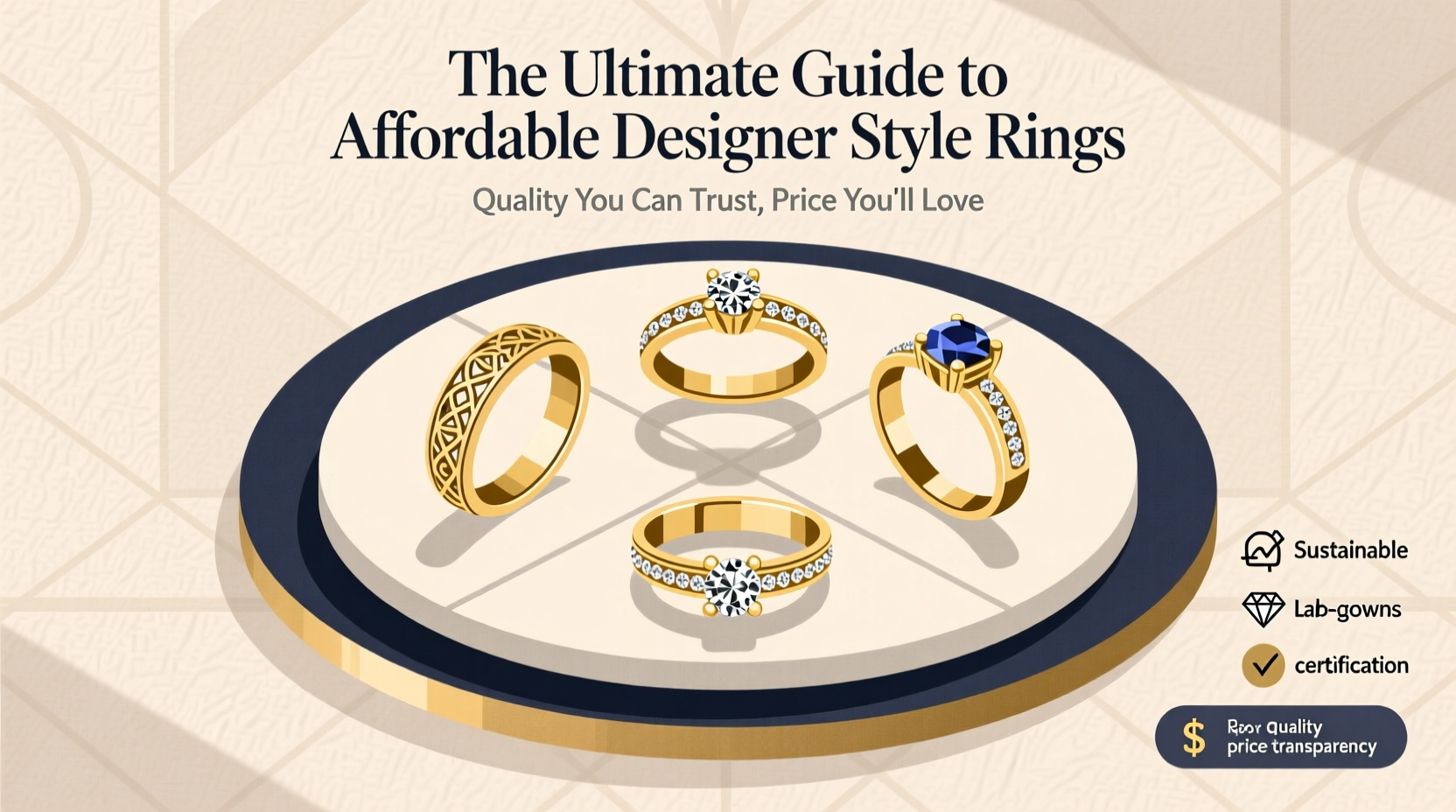
The term “designer” typically refers to jewelry created by established luxury brands such as Cartier, Tiffany & Co., or Van Cleef & Arpels. These pieces carry prestige, heritage, and often a significant markup due to branding and exclusivity. In contrast, “designer style” refers to rings that emulate the aesthetic, silhouette, and detailing of luxury designs but are produced by independent artisans, contemporary jewelers, or ethical manufacturers who prioritize value and accessibility.
Many consumers assume that choosing designer style means sacrificing quality. That’s not necessarily true. Skilled small-batch jewelers use the same materials—such as 14k gold, conflict-free diamonds, and lab-grown gemstones—and often apply more meticulous handcrafting techniques than mass-market luxury brands. The absence of a famous logo simply means lower overhead, allowing for competitive pricing without cutting corners on materials or construction.
Where to Find High-Quality, Affordable Designer-Style Rings
The best places to source beautiful, budget-conscious rings are often outside traditional retail environments. Independent designers, online marketplaces, and niche jewelry platforms offer curated selections with transparent sourcing and direct-to-consumer pricing.
- Etsy: Home to thousands of independent jewelers specializing in vintage-inspired, modern, and custom designs. Use filters for materials (e.g., “solid gold,” “lab diamond”) and read reviews carefully.
- Local Artisan Markets: Many emerging jewelers sell at craft fairs or pop-up events. These settings allow you to inspect workmanship in person and support small businesses.
- Online Jewelry Startups: Brands like Mejuri, AUrate, and Catbird have disrupted the market by offering minimalist, timeless designs at accessible prices using ethical sourcing practices.
- Auction Sites and Resale Platforms: Reputable sites like Chairish or eBay (with verified sellers) can yield authentic pre-owned designer pieces or high-quality replicas at steep discounts.
“Design integrity matters more than brand recognition. A well-made ring from an unknown artisan can outshine a mass-produced luxury piece.” — Lena Torres, Independent Jewelry Designer and GIA Graduate
How to Evaluate Quality Without Overpaying
Spotting a well-crafted ring doesn’t require a gemologist’s degree. Look for these indicators of durability and attention to detail:
- Metal Purity Stamp: Check for hallmarks like “14K,” “585” (European standard for 14k), or “PT950” (platinum). Avoid pieces labeled “gold-plated” or “vermeil” if longevity is a priority.
- Stone Setting Security: Gemstones should sit snugly with no visible gaps. Prongs should be evenly spaced and polished smooth to prevent snagging.
- Finish and Symmetry: Examine under natural light. A high-polish finish with consistent symmetry indicates careful finishing.
- Weight and Heft: Solid gold rings feel substantial. If a ring feels too light, it may be hollowed or thinly plated.
| Feature | High Quality Indicator | Red Flag |
|---|---|---|
| Metal Type | Solid 14k or 18k gold, platinum | Gold-filled, gold-plated, or unspecified metal |
| Center Stone | Lab-certified diamond or gemstone (GIA/IGI) | No certification, cloudy appearance |
| Setting | Precision prong or bezel setting | Loose stones, uneven prongs |
| Price Point | Under $1,500 for solitaire in 14k gold | $300 for “1ct diamond” in “white gold” |
Smart Alternatives to Traditional Diamonds and Metals
One of the most effective ways to reduce cost without compromising elegance is by choosing alternative materials that mimic the brilliance and durability of traditional options.
- Lab-Grown Diamonds: Chemically identical to mined diamonds but priced 30–50% lower. They come with certification and are increasingly accepted by insurers and appraisers.
- Moissanite: A brilliant, eco-friendly gemstone with more fire than a diamond. Modern cuts eliminate the “disco ball” effect once associated with older versions.
- Recycled Gold: Ethically sourced and refined from old jewelry, recycled gold carries the same purity as newly mined gold but reduces environmental impact and sometimes cost.
- Tungsten or Ceramic Bands: For men’s or statement rings, these materials offer scratch resistance and modern appeal at a fraction of precious metal prices.
Mini Case Study: Sarah’s Engagement Ring Journey
Sarah wanted a vintage-inspired halo ring similar to a $12,000 model she saw in a luxury store. Instead of stretching her budget, she researched Etsy jewelers and found a GIA-certified 0.90ct lab-grown diamond set in recycled 14k white gold. The total cost: $2,400. She worked with the artisan to customize the milgrain detailing and received a full appraisal for insurance. Two years later, the ring still looks pristine and has drawn compliments at every social event.
Step-by-Step Guide to Buying Your Ideal Ring
Follow this timeline to make a confident, informed purchase:
- Week 1: Define Your Style – Collect inspiration images. Identify key elements: setting type, metal preference, stone shape.
- Week 2: Set a Realistic Budget – Decide your maximum spend. Allocate 70% to the center stone, 30% to the setting if applicable.
- Week 3: Research Vendors – Compare 5–7 reputable sellers. Check reviews, return policies, and certifications.
- Week 4: Request Details – Ask for gem reports, metal stamps, and close-up photos. Confirm resizing options.
- Final Step: Purchase with Protection – Use a credit card for buyer protection. Ensure the item is insured upon arrival.
Frequently Asked Questions
Can I insure a non-designer ring?
Yes. Most insurers accept rings with proper appraisals, regardless of brand. Lab-grown diamonds and artisan-made pieces are fully insurable with documentation.
Will a designer-style ring hold its value?
While resale value is generally lower than branded luxury items, rings made with solid gold and certified stones retain intrinsic material value. Sentimental worth often outweighs resale concerns.
How do I know if a seller is trustworthy?
Look for clear return policies, third-party gem certifications, business registration, and consistent customer feedback. Avoid sellers who refuse video calls or detailed photos.
Checklist: Before You Buy
- ✅ Verified metal stamp (e.g., 14K, PT950)
- ✅ Gemstone certification (GIA, IGI, or AGS for diamonds)
- ✅ Clear return and resizing policy
- ✅ High-resolution photos from multiple angles
- ✅ Business contact information and physical address
- ✅ Appraisal or invoice for insurance purposes
Conclusion
Finding an affordable designer-style ring isn’t about compromise—it’s about making smarter choices. By focusing on craftsmanship, materials, and ethical sourcing, you can own a ring that radiates luxury without draining your savings. Whether you’re shopping for an engagement, anniversary, or self-purchase, the perfect ring is within reach when you know what to prioritize. Don’t let brand labels dictate your standards. Explore, compare, and trust your eye for beauty and quality.




 浙公网安备
33010002000092号
浙公网安备
33010002000092号 浙B2-20120091-4
Comments
No comments yet. Why don't you start the discussion?