
An iced out Cuban link chain is more than just jewelry—it’s a statement of style, confidence, and personal success. But with prices often soaring into the thousands, many buyers assume they must choose between affordability and quality. That doesn’t have to be the case. With the right knowledge, sourcing strategy, and attention to detail, you can own a stunning, durable, and authentic-looking Cuban link chain at a fraction of the cost—without cutting corners on craftsmanship.
Understanding What Makes a Quality Cuban Link Chain
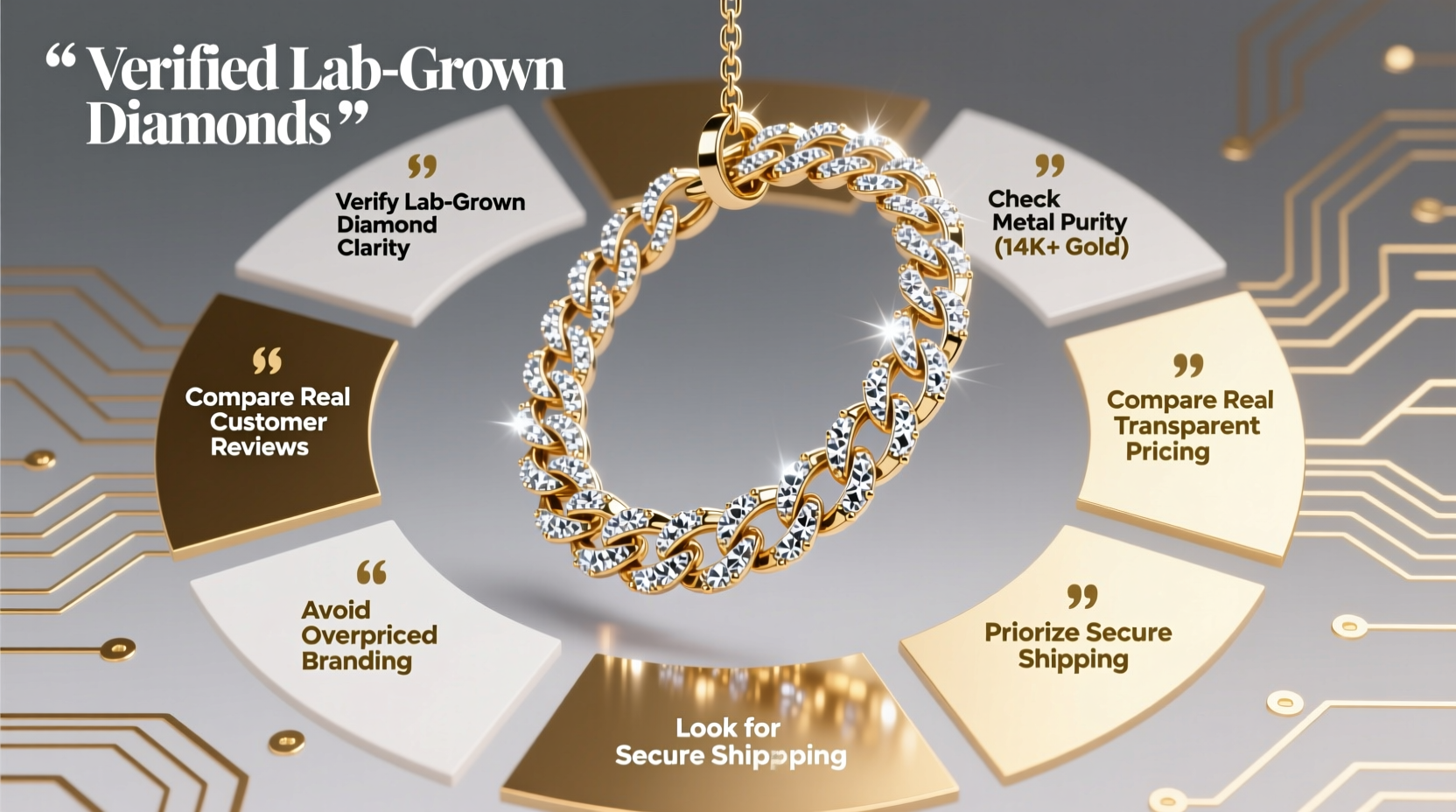
The term “Cuban link” refers to a type of chain where each link is tightly interwoven, creating a smooth, flat surface that drapes elegantly around the neck. When “iced out,” it means the chain is fully set with high-quality stones, typically lab-created diamonds or moissanite, giving it maximum sparkle. The key components of a quality piece include:
- Link construction: Links should be solid, uniform, and tightly connected with no visible gaps.
- Metal purity: Look for at least 10K gold (solid) or high-karat gold plating over stainless steel or brass for affordability.
- Stone setting: Stones should be securely prong-set or bezel-set with even spacing and consistent brilliance.
- Clasp strength: A secure lobster or box clasp prevents loss and adds to longevity.
Mass-market retailers often inflate prices due to branding, not material value. By understanding these fundamentals, you gain leverage to identify fair pricing and avoid overpaying.
Smart Sourcing: Where to Buy Without Overpaying
Buying directly from manufacturers or specialized online artisans cuts out middlemen markups. Consider these sourcing channels:
- Direct-to-consumer jewelers: Brands like Icecartel, Bluenile (custom options), and smaller Etsy-based artisans offer premium designs at lower margins.
- Wholesale marketplaces: Sites such as Alibaba or Faire connect buyers with overseas manufacturers who produce for luxury brands but sell under private label.
- Local independent jewelers: Many offer custom work using client-sourced materials, reducing costs while ensuring oversight.
- Auction and resale platforms: eBay, Grailed, and Vestiaire Collective sometimes feature gently used or overstock pieces at steep discounts.
Avoid mall kiosks and celebrity-endorsed lines with massive branding premiums. These often charge 3x–5x the production cost for logo appeal alone.
Mini Case Study: How Marcus Saved $2,800 on His Signature Chain
Marcus, a music producer in Atlanta, wanted a 24-inch, 10mm iced out Cuban link in white gold. A local jeweler quoted $4,200 for a 14K solid gold version. Instead, he researched online fabricators and found a reputable Turkish workshop on Instagram offering nearly identical craftsmanship using 18K gold plating over surgical-grade stainless steel, with hand-set moissanite stones. The total cost: $1,400. After six months of daily wear, the chain shows no tarnishing or stone loss. He saved over $2,800 with no visible compromise in appearance or durability.
“Many ‘luxury’ chains sold in the U.S. are made in the same factories as budget-friendly imports—the difference is distribution, not design.” — Rafael Mendez, Independent Jewelry Appraiser with 17 years in fine jewelry retail
Material Trade-Offs That Make Sense (and Those That Don’t)
Not all cost-saving choices are equal. Some substitutions preserve aesthetics and longevity; others lead to quick deterioration. Use this comparison table to make informed decisions:
| Material Choice | Cost-Saving Benefit | Risk Level | Expert Recommendation |
|---|---|---|---|
| Stainless Steel Base + Gold Plating | High (up to 70% cheaper) | Low (if plated properly) | ✅ Recommended for everyday wear |
| Moissanite vs. Natural Diamonds | Very High (90%+ savings) | None (visually identical) | ✅ Strongly recommended |
| 10K vs. 18K Solid Gold | Moderate (30–40% less) | Low | ✅ Acceptable for budget-conscious buyers |
| Brass Base + Thin Gold Dip | High | High (tarnishes quickly) | ❌ Avoid |
| Adhesive Stone Setting | High | Extreme (stones fall out) | ❌ Never accept |
The goal isn’t to buy the cheapest option, but the highest value. Moissanite, for instance, scores 9.25 on the Mohs hardness scale (diamonds are 10) and refracts more light, creating even more fire. It’s a smarter choice than low-grade natural diamonds in most cases.
Step-by-Step Guide to Buying an Affordable Yet Premium Chain
Follow this sequence to ensure quality and value alignment:
- Define your specs: Length (18\", 20\", 24\"), width (6mm–12mm), metal color (yellow, white, rose), and stone coverage (full ice, half-ice).
- Set a realistic budget: Decide if you’re investing in solid gold or opting for premium-plated alternatives.
- Research 3–5 vendors: Check reviews, return policies, and sample photos. Prioritize those who provide magnified videos.
- Request certification or proof of materials: Reputable sellers offer stone reports or plating thickness details (e.g., 5-micron 18K gold).
- Start with a small order: If buying from a new artisan, test with a bracelet or thinner chain first.
- Inspect upon arrival: Use a jeweler’s loupe to check stone settings, link integrity, and clasp function.
- Register your purchase: Keep receipts and communication records for warranty claims or resale.
Essential Buying Checklist
Before finalizing any purchase, verify the following:
- ☑ Chain has a consistent link pattern with no misshapen or weak links
- ☑ Stones are individually set, not glued in clusters
- ☑ Metal feels substantial (not hollow or overly lightweight)
- ☑ Clasp is secure and easy to operate
- ☑ Seller provides clear return policy and customer support
- ☑ Product images show close-ups under bright lighting
- ☑ Price aligns with material benchmarks (e.g., full iced 10mm 20” in 14K solid gold rarely under $2,000)
Frequently Asked Questions
Can I get a lifetime warranty on an affordable Cuban link?
Yes—many direct manufacturers offer lifetime warranties covering stone replacement and plating reapplication. This is often more generous than department store policies, which may exclude normal wear.
How do I clean and maintain my iced out chain?
Soak in warm water with mild dish soap for 15 minutes weekly. Gently brush with a soft toothbrush, rinse, and dry with a microfiber cloth. Avoid chlorine, perfume, and swimming while wearing it. Store separately to prevent scratching.
Is gold-plated jewelry worth it for an iced out chain?
When done right—yes. High-karat plating (18K+) over stainless steel with proper sealing lasts 2–5 years with regular care. It’s ideal for fashion-forward buyers who rotate accessories or want luxury looks without six-figure spending.
Final Thoughts: Luxury Doesn’t Have to Mean Expensive
True luxury lies in craftsmanship, attention to detail, and personal expression—not price tags. The rise of global manufacturing and digital-first jewelers has democratized access to high-end designs once reserved for celebrities and collectors. By focusing on material intelligence, trusted sources, and smart trade-offs, you can build a standout jewelry collection that reflects your taste and ambition—without draining your bank account.




 浙公网安备
33010002000092号
浙公网安备
33010002000092号 浙B2-20120091-4
Comments
No comments yet. Why don't you start the discussion?