
Limited edition Alien Stage figures have become more than just collectibles—they’re cultural artifacts for fans of avant-garde design, underground pop culture, and speculative art. With their otherworldly aesthetics, intricate detailing, and often cryptic release patterns, these figures command attention in both niche forums and high-end resale markets. But securing authentic pieces without overpaying or falling for counterfeits requires strategy, patience, and insider knowledge. This guide walks you through every phase of the hunt—from tracking releases to preserving value.
Understanding the Alien Stage Phenomenon
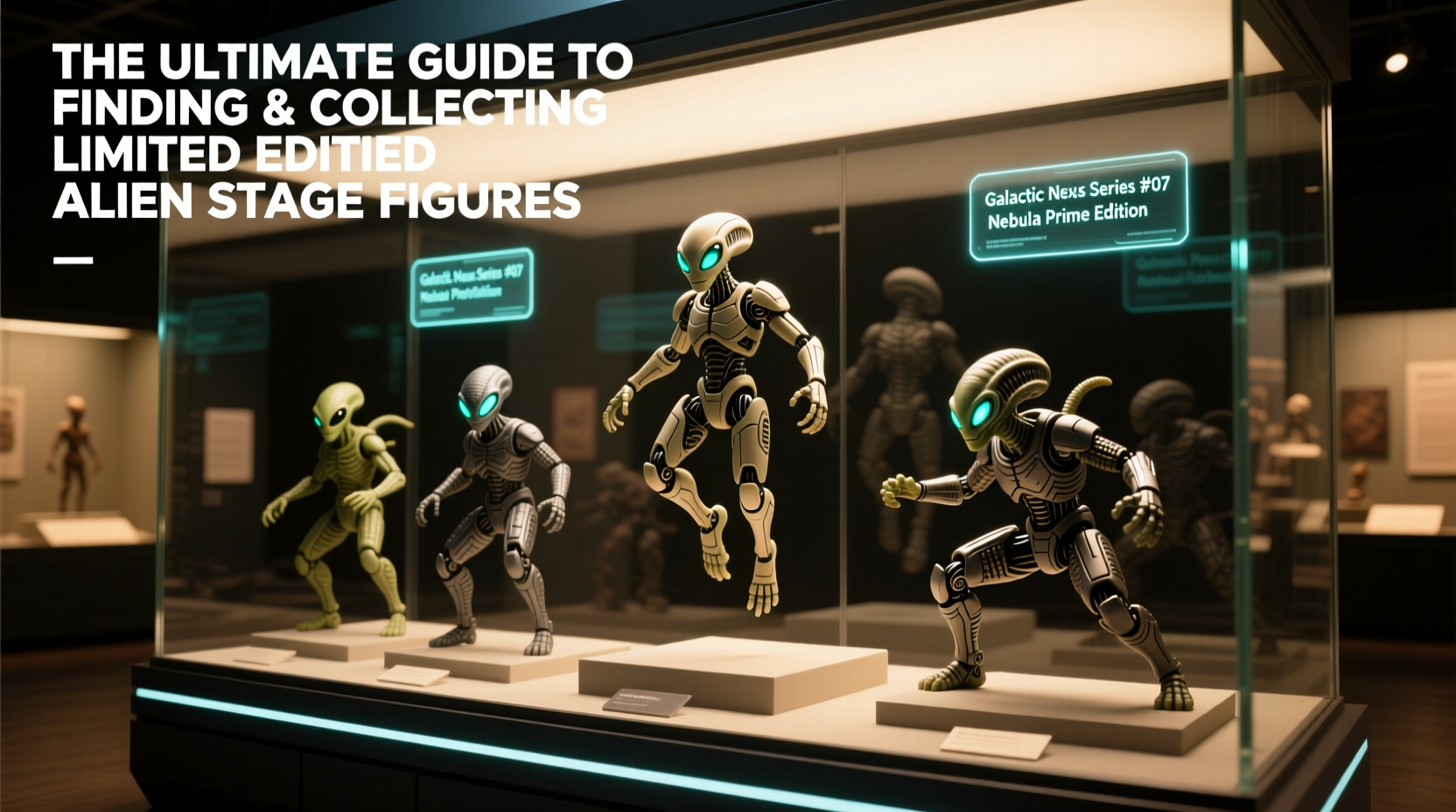
Alien Stage is not a mainstream toy brand. It operates on the fringes of designer vinyl culture, often collaborating with independent artists and releasing figures in tightly controlled batches. Each piece typically features biomechanical or extraterrestrial themes, with hand-painted finishes and unique numbering. Limited runs—often between 50 and 300 units—make them highly desirable. Their scarcity is amplified by anonymous creators and decentralized distribution, meaning traditional retail channels rarely carry them.
Collectors are drawn not only to the artistry but also to the narrative behind each series. Some figures belong to thematic arcs like “Nebula Drifters” or “Chrono Sapiens,” adding storytelling depth that increases long-term appeal. Because of this, understanding the lore can help identify valuable sets and anticipate future releases.
“Alien Stage isn’t about mass appeal—it’s about cultivating a community of discerning collectors who appreciate mystery as much as craftsmanship.” — Lena Petrov, Curator at Neon Vault Gallery
How to Track and Secure New Releases
Unlike major brands that announce drops months in advance, Alien Stage often uses surprise launches via encrypted mailing lists or private Discord servers. Missing the window means relying on the secondary market, where prices can triple overnight.
To stay ahead:
- Join official artist newsletters linked to known Alien Stage collaborators.
- Follow verified accounts on platforms like Instagram and X (formerly Twitter) that specialize in designer toys.
- Participate in forums such as DesignerToyTalk and Reddit’s r/DesignerToys, where members share early alerts.
- Set up Google Alerts for keywords like “Alien Stage drop,” “limited alien vinyl,” or specific artist names.
Step-by-Step: Securing a Drop Before It Sells Out
- Weeks before expected release: Monitor social media activity from associated artists; spikes in cryptic posts may signal an upcoming launch.
- 48 hours prior: Ensure your payment methods are saved on likely storefronts (e.g., BigBadToyStore, SuperPlastic, or artist-run shops).
- At launch: Be online exactly when the drop starts. Many sales use queue systems—refreshing too aggressively can get you blocked.
- Post-purchase: Immediately save confirmation emails and tracking numbers. Some resellers request proof of authenticity tied to original orders.
- Within 7 days: Inspect packaging and figure condition. Report discrepancies quickly if buying direct.
Authentication: Spotting Fakes in the Secondary Market
The popularity of Alien Stage figures has attracted counterfeiters. Fake versions often lack fine detail, use incorrect materials, or omit serial numbers. Since many buyers turn to eBay, StockX, or Mercari after missed drops, knowing how to verify authenticity is essential.
| Feature | Genuine Indicator | Red Flag |
|---|---|---|
| Packaging | Matte finish box with embossed logo; sealed with tamper-proof sticker | Glossy box, misaligned printing, loose seal |
| Material | Soft-touch PVC with slight flexibility; no strong chemical odor | Rigid plastic, sharp smell, visible mold lines |
| Paint Detail | Crisp line work, no bleeding; metallic accents applied precisely | Smudged paint, uneven gradients, overspray |
| Serial Number | Laser-etched on base; matches certificate of authenticity (COA) | Handwritten, missing, or duplicated across listings |
| Weight | Consistent with published specs (usually 200–350g depending on size) | Noticeably lighter due to hollow casting |
“Over 40% of ‘rare’ Alien Stage figures submitted for authentication last year were replicas. Always demand photos of the COA and unboxing video if buying secondhand.” — Marcus Lee, Head of Authentication at ToyVerify.io
Preserving Value and Condition
A pristine figure can retain or increase its value over time, while one with scratches, yellowing, or dents may lose half its worth. Proper storage isn’t optional—it’s part of responsible collecting.
- Keep figures away from direct sunlight to prevent UV degradation and color fading.
- Store in temperature-controlled environments; extreme heat or cold can warp PVC.
- Use acrylic display cases with UV protection for showcased pieces.
- Avoid adhesives or tape near painted surfaces—even residue can damage finishes.
Collector’s Checklist: Before You Buy or Sell
- ✅ Verify seller reputation (minimum 98% positive feedback on marketplaces)
- ✅ Request clear, well-lit photos of all angles, packaging, and COA
- ✅ Confirm production number (e.g., “#42 of 150”)
- ✅ Cross-reference release date and retail price with community databases
- ✅ Check for known recall notices or variant errors (some boost rarity)
- ✅ Decide whether to keep it boxed—sealed items appreciate faster but limit display options
Real Example: The Hunt for “Voidmaw Prime”
In early 2023, only 75 units of the “Voidmaw Prime” figure were released through a flash sale on a Japanese micro-label site. No prior announcement was made. Collector Diego R. had been monitoring the artist’s Patreon for subtle clues—like a sketch labeled “project V” and a sudden spike in encrypted forum messages.
He set up browser automation tools to monitor the site’s inventory page and received an alert within 12 seconds of the drop going live. After completing checkout using pre-saved details, he secured unit #19. Two weeks later, another copy sold at auction for $1,850—nearly six times the original $320 price.
Diego credits his success to preparation: “I didn’t get lucky. I treated it like a research project. Without the alerts, templates, and community intel, I’d have missed it like everyone else.”
Frequently Asked Questions
Are Alien Stage figures a good investment?
Some are, but not all. Only figures from recognized artists, with verifiable scarcity and strong community interest, tend to appreciate. Early-career pieces from now-famous designers have seen returns over 1,000%, but speculative buys often underperform. Treat collecting first as a passion, second as an investment.
Can I clean my Alien Stage figure without damaging it?
Yes, but cautiously. Use a soft microfiber cloth slightly dampened with distilled water for dust. Avoid alcohol-based cleaners or submerging any part. For stubborn spots, gently dab with a cotton swab and minimal water—never rub. Always dry immediately.
How do I connect with other serious collectors?
Join invite-only groups like “Alien Stage Archive” on Telegram or attend designer toy conventions such as DesignerCon or Comic-Con’s Artist Alley. Many top collectors share insights only in closed circles, so consistent participation builds trust and access.
Final Thoughts: Build Your Collection with Purpose
Collecting limited edition Alien Stage figures isn’t about hoarding rare objects—it’s about engaging with a living subculture of art, storytelling, and craftsmanship. Every piece tells a story, not just through its design, but through the effort required to find it. Whether you're drawn to the surreal aesthetics or the thrill of the chase, success comes down to discipline: staying informed, verifying rigorously, and preserving meticulously.
The most valuable collections aren’t defined by price tags, but by the knowledge and care behind them. Start small. Focus on one series. Learn its history. Connect with others. Soon, your shelf won’t just hold figures—it will hold narratives.




 浙公网安备
33010002000092号
浙公网安备
33010002000092号 浙B2-20120091-4
Comments
No comments yet. Why don't you start the discussion?