
Finding the perfect pair of designer women’s sandals often feels like a compromise: either they look stunning but hurt after an hour, or they’re supportive but lack the polish you want. The truth is, comfort and style don’t have to be mutually exclusive. With thoughtful selection, attention to fit, and knowledge of key design features, you can enjoy both luxury and all-day wearability. This guide breaks down how to choose sandals that elevate your look while treating your feet right.
Understanding Foot Anatomy and Sandal Support
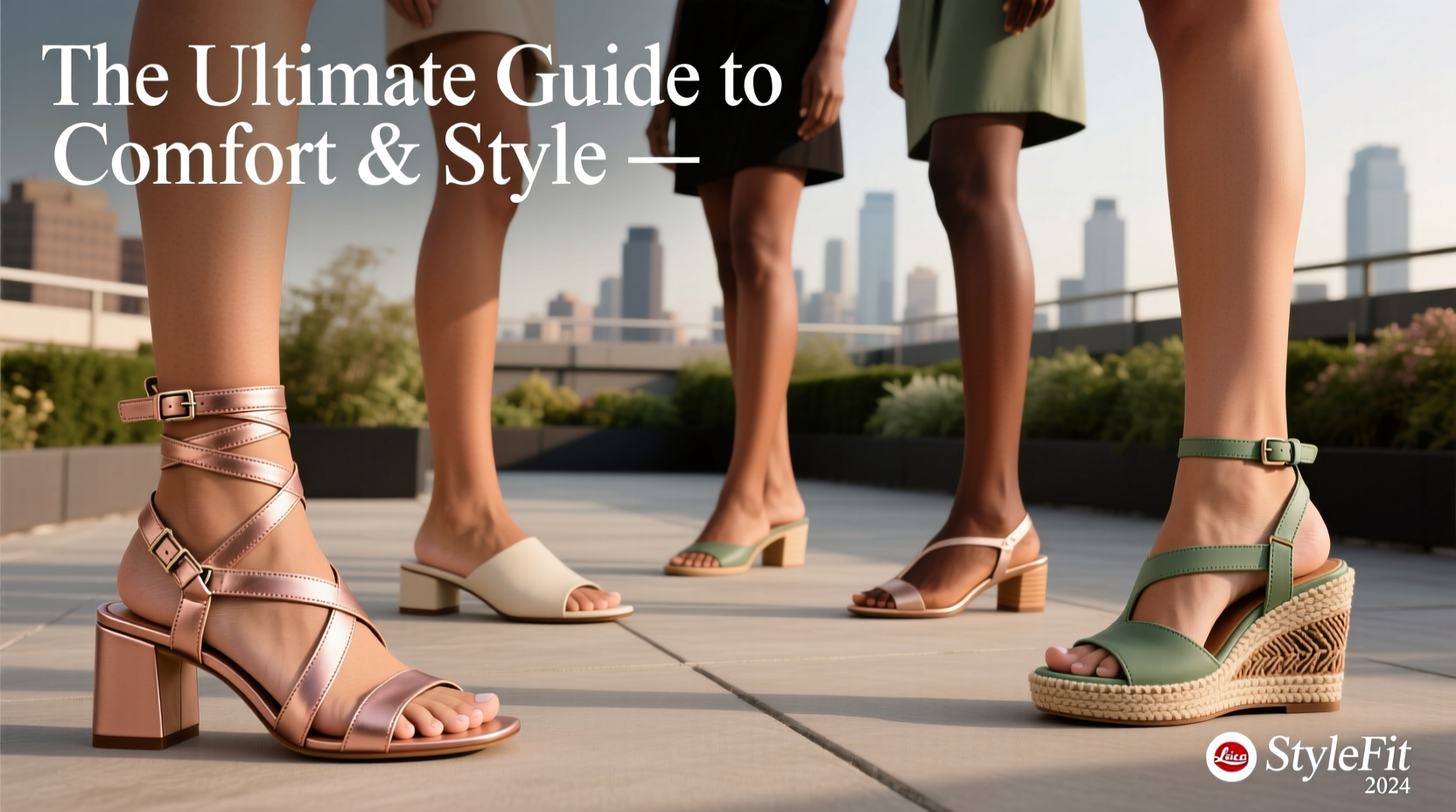
Your foot is a complex structure made up of 26 bones, 33 joints, and over 100 muscles, tendons, and ligaments. When wearing sandals, especially for extended periods, inadequate support can lead to strain in the arches, heels, and even knees. Designer brands are increasingly integrating biomechanics into their footwear, but not all do so equally.
The most common issue with fashion-forward sandals is flat footbeds. While sleek lines may look elegant, they often lack arch support, cushioning, and heel stabilization. Look for designs that include contoured footbeds, memory foam padding, or orthotic-friendly soles. Brands like Teva, Birkenstock, and Eileen Fisher have long prioritized ergonomic design without sacrificing aesthetics.
“Many patients come in with plantar fasciitis or metatarsalgia directly linked to unsupportive footwear. A well-designed sandal should cradle the foot, not just hold it.” — Dr. Lena Patel, Podiatrist and Footwear Consultant
Key Features of Comfortable Designer Sandals
Not all designer sandals are created equal. Beyond brand names and price tags, certain structural elements determine real-world comfort. Here’s what to prioritize:
- Adjustable Straps: Allow for a customized fit across the instep and ankle, accommodating swelling or different foot widths.
- Cushioned Insoles: Memory foam, latex, or EVA materials absorb impact and reduce fatigue.
- Arch Support: Even subtle contouring can make a significant difference, especially if you're on your feet all day.
- Heel Height & Stability: Block heels or wedges distribute weight more evenly than stilettos. Avoid overly narrow bases that increase instability.
- Toe Box Room: A roomy toe area prevents bunions and allows natural splay, especially important in warm weather.
Matching Sandals to Your Lifestyle and Style
Designer sandals span a wide range of aesthetics—from minimalist slides to strappy gladiators—but the best choice depends on how and where you’ll wear them. Consider these scenarios:
| Lifestyle Need | Recommended Style | Top Brands |
|---|---|---|
| All-day wear (work, travel) | Ankle-strap block heel or supportive slide | Rothy’s, Cole Haan, Sam Edelman |
| Beach or resort | Elevated flip-flop or sport-inspired sandal | Teva, Chaco, Aquazzura |
| Evening events | Strappy heel with padded footbed | Jimmy Choo, Gianvito Rossi, By Far |
| Casual weekends | Platform slide or mule with cushioned sole | Birkenstock, Ancient Greek Sandals, Ganni |
Style doesn’t have to be sacrificed. For example, a metallic leather slide with a sculpted footbed can transition from office to dinner seamlessly. The key is balancing form and function—look for clean silhouettes, quality materials, and construction that supports movement.
Step-by-Step Guide to Finding Your Perfect Pair
Follow this practical process to ensure you select sandals that deliver both comfort and aesthetic appeal:
- Measure Your Feet: Use a Brannock device or visit a specialty shoe store. Sizes vary by brand, and width matters as much as length.
- Identify Your Arch Type: Wet your foot and step on paper. If you see a full imprint, you likely have flat feet; a thin band suggests high arches. Choose accordingly.
- Test the Fit In-Store (or at Home): Walk around for at least five minutes. Check for pressure points, heel slippage, or pinching.
- Evaluate Material Quality: Genuine leather molds to your foot over time. Avoid stiff synthetics that don’t breathe or flex.
- Assess Long-Term Wearability: Ask yourself: Could I stand in line or walk several blocks in these? If not, reconsider.
- Break Them In Gradually: Wear new sandals at home for short periods before committing to a full day out.
Real-World Example: Sarah’s Wedding Weekend Dilemma
Sarah, a 34-year-old event planner, needed stylish yet wearable sandals for her sister’s destination wedding. She loved a pair of delicate gold strappy heels from a luxury brand, but after trying them on, she noticed immediate heel slippage and no arch support. Instead, she opted for a lower block heel from Giuseppe Zanotti with a cushioned insole and adjustable ankle strap.
During the weekend, she walked across cobblestone courtyards, stood through ceremonies, and danced at the reception. While others changed into flats or limped away, Sarah stayed on her feet comfortably. “I got more compliments on my shoes than I expected,” she said. “People thought they looked just as glamorous—and I knew I could actually move in them.”
Checklist: Before You Buy Designer Sandals
- ✅ Measured both feet (sizes can differ)
- ✅ Identified your arch type and support needs
- ✅ Tried sandals on later in the day
- ✅ Walked on hard and soft surfaces in-store
- ✅ Checked for secure heel fit and toe room
- ✅ Verified return policy (in case break-in fails)
- ✅ Researched brand reputation for comfort and durability
Frequently Asked Questions
Can designer sandals be both fashionable and comfortable?
Absolutely. Many high-end brands now collaborate with podiatrists or use advanced materials to enhance comfort. Look for labels that emphasize ergonomics, such as “orthotic-friendly” or “cushioned footbed.”
Are expensive sandals always more comfortable?
Not necessarily. Price reflects materials, craftsmanship, and branding, but not always support. Some mid-range brands offer superior comfort due to focused design. Always prioritize fit and structure over cost.
How do I care for leather designer sandals to maintain comfort?
Use a leather conditioner every few months to prevent drying and cracking. Store in breathable dust bags and avoid prolonged exposure to moisture. Rotate pairs to allow materials to recover shape between wears.
Final Thoughts: Elevate Your Style Without Compromising Your Feet
Comfortable designer women’s sandals aren’t a myth—they’re within reach if you know what to look for. By understanding your foot’s needs, evaluating construction details, and aligning choices with your daily life, you can invest in footwear that looks luxurious and feels effortless. The best sandals don’t just complete an outfit; they empower you to move freely, confidently, and pain-free.




 浙公网安备
33010002000092号
浙公网安备
33010002000092号 浙B2-20120091-4
Comments
No comments yet. Why don't you start the discussion?