
Platform wedge sandals offer a stylish way to add height while maintaining a summery, open feel. But too often, the promise of fashion comes at the cost of comfort. Many wearers end up with foot pain, slipping heels, or arch fatigue by midday. The truth is, not all wedges are created equal—and the right pair can deliver both elegance and endurance. With thoughtful selection, proper fit, and attention to structural details, it’s possible to enjoy platform wedges from morning coffee runs to evening outings without discomfort.
Why Most Platform Wedges Fail at Comfort
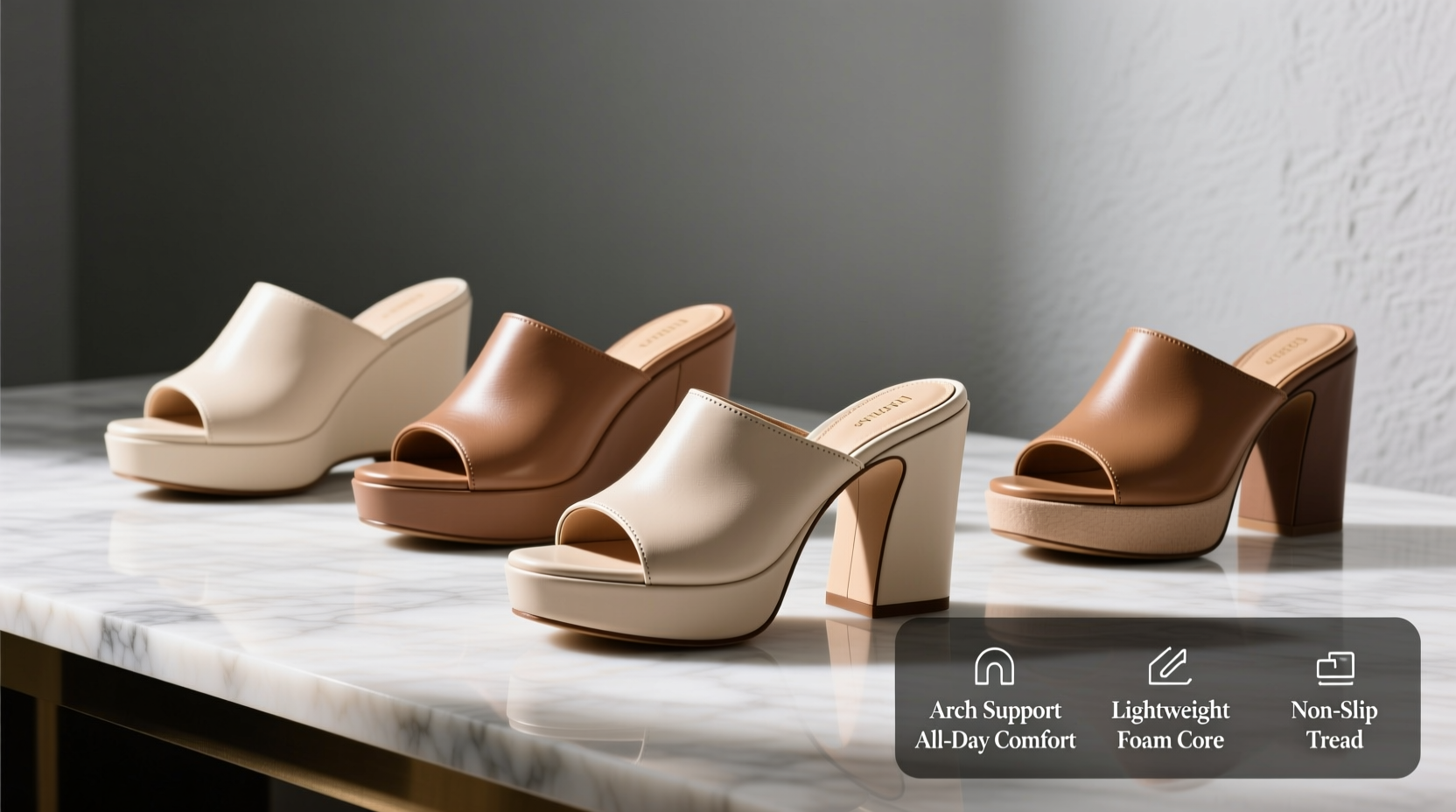
The appeal of platform wedges lies in their ability to elevate your look—literally. However, many mass-market designs prioritize aesthetics over biomechanics. Thin straps dig into sensitive areas, flat soles lack arch contouring, and overly steep inclines shift weight forward, increasing pressure on the ball of the foot. These flaws compound over time, leading to metatarsalgia, plantar fasciitis flare-ups, or general fatigue.
Podiatrists note that elevated footwear alters gait patterns. A poorly constructed wedge forces the foot into an unnatural position, reducing shock absorption and destabilizing balance. Over hours of walking or standing, even small misalignments accumulate into significant strain.
“Footwear should complement your natural movement, not fight against it. A well-designed wedge supports the foot’s three main arches and maintains a balanced heel-to-toe angle.” — Dr. Lena Torres, Podiatric Biomechanics Specialist
Key Features of Truly Comfortable Wedge Sandals
Comfort isn’t subjective—it’s built into the design. Look for these non-negotiable elements when shopping:
- Contoured Footbeds: Molded insoles that follow the shape of your foot reduce pressure points and prevent sliding.
- Gradual Heel Pitch: A slope under 20 degrees distributes weight more evenly than aggressive lifts.
- Cushioned Midsoles: Materials like EVA foam absorb impact, especially important on hard surfaces.
- Ankle Straps with Padding: Secure but soft straps prevent heel lift without pinching the Achilles tendon.
- Wide Base Platforms: Stability increases with sole width; narrow wedges wobble and increase ankle roll risk.
- Adjustable Fit: Buckles or hook-and-loop closures allow customization for swelling or unique foot shapes.
Finding Your Perfect Fit: A Step-by-Step Guide
Fitting platform wedges requires more nuance than standard flats. Follow this process to ensure long-term comfort:
- Measure Your Feet Late in the Day: Feet naturally expand with activity and temperature. Measure both length and width after several hours of being upright.
- Determine Your Arch Type: Perform the “wet test” (step on paper with wet feet) to see if you have flat, neutral, or high arches. This informs needed support.
- Try On in the Afternoon: Visit stores later in the day when your feet are largest.
- Wear Intended Socks or Hosiery: If you plan to wear liners or sheer tights, bring them along.
- Test Walk on Hard Surfaces: Spend at least five minutes walking, turning, and standing still. Pay attention to heel grip and toe splay.
- Check Toe Box Clearance: Ensure there’s a thumb’s width between your longest toe and the front edge.
- Evaluate Break-In Potential: Minor snugness is acceptable, but pain or pinching won’t improve with wear.
Common Fit Issues and Fixes
| Issue | Likely Cause | Solution |
|---|---|---|
| Heel slips out | Narrow heel cup or loose strap | Choose adjustable ankle straps or add gel heel grips |
| Ball-of-foot pain | Excessive pitch or thin sole | Select lower ramps with cushioned forefoot |
| Toes cramping | Tight toe box or straps across toes | Opt for open-front designs or wider widths |
| Ankle chafing | Rough stitching or rigid strap material | Break in gradually or use moleskin padding |
Top Brands That Balance Style and Support
Not all brands treat comfort as an afterthought. Several have invested in ergonomic research and materials science to create wedges that perform as well as they look.
- Naot: Known for anatomically shaped footbeds lined with leather-covered cork that molds slightly over time.
- Clarks: Offers multiple width options and uses Cushion Plus™ technology in select wedge styles.
- Teva: Combines outdoor durability with urban design; their platform sandals feature shank reinforcement for torsional stability.
- Birkenstock: The iconic contoured sole now appears in elevated wedge formats with deep heel cups.
- Sepia Studio: A niche brand specializing in wide-width, low-pitch wedges with medical-grade arch support.
“I switched to Clarks after years of avoiding heels. Their ‘Everlay’ wedge line lets me teach all day without foot fatigue.” — Miranda Chen, High School Educator
Real-World Example: From Painful to Practical
Sophie, a wedding planner based in Austin, once avoided wearing anything but sneakers during summer events. Her job required constant movement—walking lawns, adjusting decor, and managing timelines—but every pair of stylish wedges left her with throbbing feet by noon.
After consulting a podiatrist, she learned her high arches weren’t getting adequate support. She began prioritizing wedges with built-in arch contours and lower platforms (under 3 inches). She settled on a Naot model with a 2.5-inch cork wedge and adjustable straps. Now, she wears them through 12-hour event days with only minor fatigue. “It wasn’t about giving up style,” she says. “It was about learning what my feet actually need.”
Essential Checklist Before Buying
Before clicking “add to cart” or handing over your card, verify these points:
- ✅ Does the wedge have a cushioned or shock-absorbing midsole?
- ✅ Is the heel pitch gradual, not sharply inclined?
- ✅ Are straps adjustable and padded where they contact skin?
- ✅ Does the sole extend under the ball of the foot for full platform coverage?
- ✅ Is the toe box wide enough to allow natural splay?
- ✅ Can you stand comfortably for 5+ minutes during a try-on?
- ✅ Does the brand offer multiple widths or half sizes?
Frequently Asked Questions
Can platform wedges be good for flat feet?
Yes—if they include firm arch support. Avoid flat footbeds or overly flexible soles. Look for models specifically labeled “arch support” or “orthotic-friendly.” Brands like Vionic and Propet offer supportive wedge styles designed for overpronation.
How high is too high for all-day wear?
For most people, wedges over 3.5 inches become impractical for extended standing or walking. A 2- to 3-inch height with a full platform offers noticeable lift while keeping the foot in a safer alignment. The key is the ramp angle, not just the height.
Do cork wedges lose shape over time?
High-quality cork-composite wedges maintain structure for years. Pure cork may compress slightly but typically stabilizes after initial break-in. Avoid cheap foam imitations that flatten quickly. Proper storage away from moisture preserves integrity.
Final Thoughts: Comfort Shouldn’t Be Compromised
Stylish footwear doesn’t have to come at the expense of well-being. The right platform wedge combines thoughtful engineering with aesthetic appeal, allowing you to stay on your feet confidently and comfortably. By understanding your foot’s needs, testing fit rigorously, and choosing brands committed to ergonomics, you can enjoy elevated style without sacrificing health.




 浙公网安备
33010002000092号
浙公网安备
33010002000092号 浙B2-20120091-4
Comments
No comments yet. Why don't you start the discussion?