
Finding a dependable used car doesn’t have to be a stressful ordeal. With so many vehicles on the market—from private sellers to certified pre-owned programs at dealerships—it’s easy to feel overwhelmed. Yet, millions of consumers successfully buy quality used cars every year by following a clear strategy. The key lies in knowing where to look, what to inspect, and when to walk away. This guide walks you through every phase of the process with practical steps, real-world examples, and expert-backed insights to help you make a confident purchase—without the headache.
Know What You’re Looking For
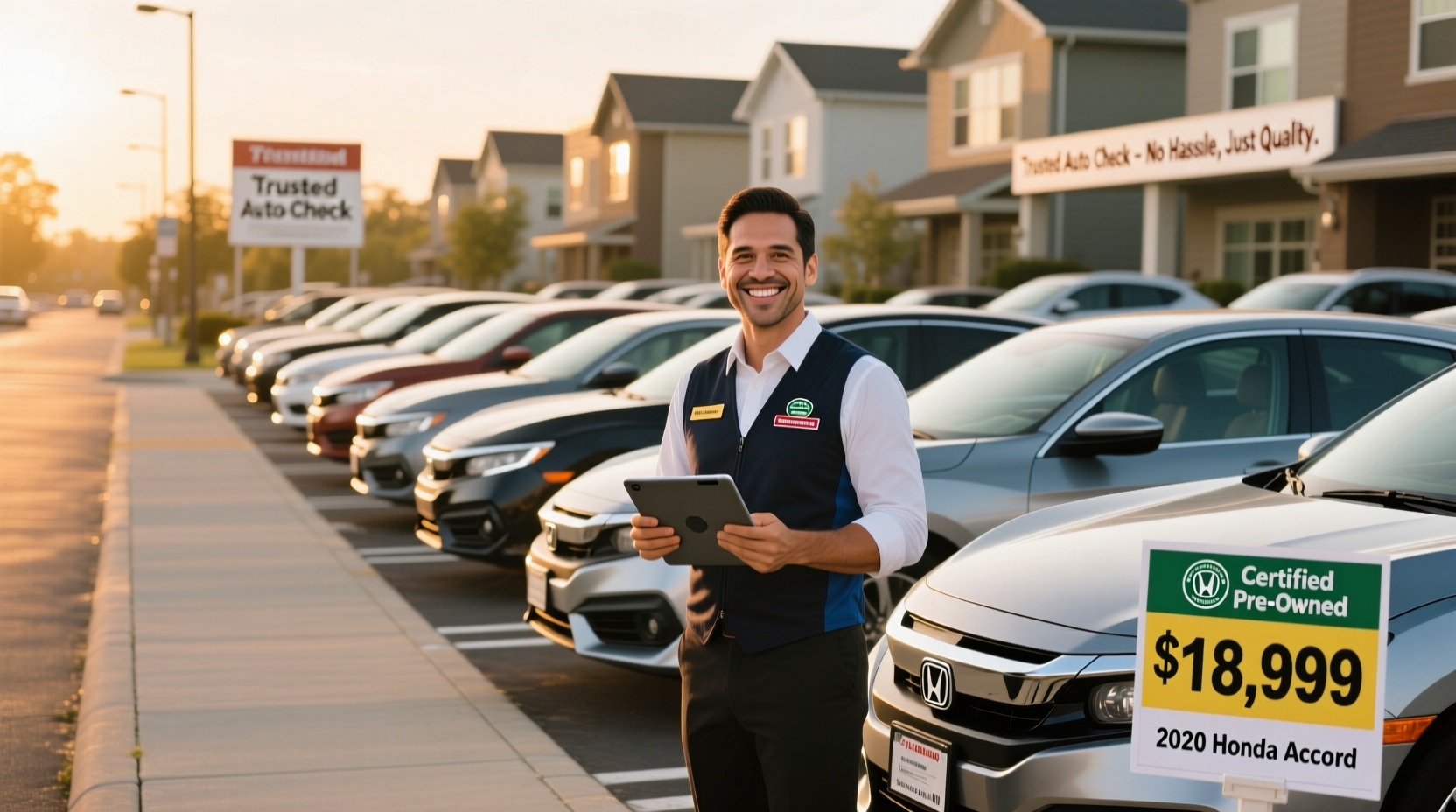
Before browsing listings, define your needs. Are you looking for a fuel-efficient commuter car, a family-friendly SUV, or a rugged pickup? Your daily driving habits, budget, and long-term goals should shape your search. Start by setting realistic parameters:
- Budget: Include taxes, registration, insurance, and potential repairs.
- Mileage: Well-maintained cars under 100,000 miles are typically solid choices.
- Fuel type: Gasoline, hybrid, or electric—each has trade-offs in cost and maintenance.
- Safety ratings: Check crash test results from organizations like the IIHS or NHTSA.
Where to Find Reliable Used Cars Nearby
The location of your search impacts both vehicle quality and negotiation power. Here are the most effective sources:
- Certified Pre-Owned (CPO) Programs: Offered by authorized dealers, these vehicles undergo rigorous inspections and often come with extended warranties.
- Franchise Dealerships: Non-CPO used cars from brand-name dealers offer some buyer protection and financing options.
- Private Sellers: Often cheaper but require more due diligence. Platforms like Facebook Marketplace, Craigslist, and Autotrader list thousands locally.
- Online Retailers: Carvana, Vroom, and CarMax provide transparent pricing and home delivery, though local inspection may still be wise.
For maximum peace of mind, prioritize sellers who provide full service records and allow independent inspections.
Do’s and Don’ts When Sourcing Used Cars
| Do | Avoid |
|---|---|
| Check vehicle history reports via Carfax or AutoCheck | Purchasing without a VIN-based history report |
| Test drive during rush hour to assess performance | Buying after only a short neighborhood drive |
| Negotiate based on KBB Fair Market Range | Accepting the first asking price without research |
| Inspect for rust, uneven tire wear, and fluid leaks | Ignoring warning lights on the dashboard |
Conduct a Thorough Vehicle Inspection
Even if a car looks pristine, mechanical issues can lurk beneath. A physical inspection is non-negotiable. If you’re not mechanically inclined, hire a trusted mechanic—typically $100–$150—for a pre-purchase evaluation.
Focus on these critical areas:
- Engine: Listen for knocking or ticking; check for oil sludge under the oil cap.
- Transmission: Shift smoothly through gears; hesitation or jerking is a red flag.
- Brakes: No grinding or pulling to one side during stops.
- Tires: Tread depth should exceed 4/32”; uneven wear suggests alignment issues.
- Undercarriage: Look for rust, cracked control arms, or leaking fluids.
“Over 30% of used car buyers skip a professional inspection. That’s like buying a house without an inspector.” — Mark Reynolds, ASE-Certified Master Technician
Step-by-Step Buying Process
Follow this timeline to ensure a smooth, informed transaction:
- Week 1: Define your budget and criteria. Research top-rated models known for reliability (e.g., Toyota Camry, Honda CR-V).
- Week 2: Search local listings using filters for mileage, price, and ownership history. Save promising options.
- Day 1 of Contact: Reach out to sellers. Ask about accident history, maintenance logs, and reason for selling.
- Day 2: Schedule a daytime test drive and visual inspection. Bring a checklist (see below).
- Day 3: Order a vehicle history report. Verify no salvage title, flood damage, or odometer rollback.
- Day 4: Hire a mechanic for a pre-purchase inspection. Never skip this—even for CPO vehicles.
- Day 5: Negotiate based on findings. Use repair estimates as leverage for price reduction.
- Final Step: Complete payment securely. Avoid cash-only deals; use escrow services or bank transfers for private sales.
Used Car Buyer’s Checklist
- ✅ Obtain the VIN and run a history report
- ✅ Confirm the title is clean and transferable
- ✅ Test drive in varied conditions (highway, city, hills)
- ✅ Inspect interior for odors, worn pedals, or airbag warnings
- ✅ Check all electronics: windows, AC, infotainment, lights
- ✅ Review maintenance records (oil changes, timing belt, etc.)
- ✅ Get a third-party inspection from a certified mechanic
- ✅ Finalize paperwork: bill of sale, title transfer, release of liability
Real Example: How Sarah Found Her Perfect Used SUV
Sarah, a teacher from Portland, needed a safe, compact SUV under $15,000. She started by researching top safety picks in her price range and settled on the 2018 Subaru Forester. After filtering local listings, she found three options—one from a dealership, two from private sellers.
The dealership model was CPO but priced at $16,200. One private seller claimed “garage-kept, never in an accident,” but had no service records. The second, listed by a retired couple, included five years of maintenance receipts and a clean Carfax.
Sarah test-drove all three. Only the retired couple’s vehicle passed her mechanic’s inspection—minor brake wear, no major issues. She negotiated $500 off for the brake service and purchased it for $14,700. Two years later, she’s logged 18,000 trouble-free miles.
Her secret? Patience and process. “I almost caved on the first one I liked,” she said. “But waiting paid off.”
Frequently Asked Questions
Is it safer to buy from a dealer or a private seller?
Dealers offer more legal protections and financing options, especially with CPO vehicles. Private sellers may offer lower prices but provide no warranties. Safety depends more on your due diligence than the seller type.
What red flags should I watch for in a used car listing?
Be cautious of overly vague descriptions, photos taken in dark settings, prices significantly below market value, or sellers who refuse inspections. Phrases like “mechanic’s special” or “runs great, needs work” often mask serious issues.
Can I trust online car retailers like Carvana?
Yes, but with caveats. These platforms offer transparency and return policies (e.g., 7-day returns), but always review the vehicle condition report carefully. Some buyers report minor cosmetic flaws not visible in photos.
Drive Away Confident
Finding a reliable used car near you doesn’t require luck—it requires strategy. By setting clear goals, inspecting thoroughly, and leveraging data over emotion, you can avoid costly mistakes and drive off with a vehicle that serves you well for years. The best deals aren’t always the cheapest; they’re the ones backed by knowledge, verification, and confidence. Whether you're shopping online or knocking on doors in your neighborhood, take your time, trust the process, and let facts—not feelings—guide your decision.




 浙公网安备
33010002000092号
浙公网安备
33010002000092号 浙B2-20120091-4
Comments
No comments yet. Why don't you start the discussion?