
French Bulldogs are beloved for their compact build, expressive faces, and charming personalities. But when it comes to dressing them for colder weather, many owners struggle to find a coat that fits well. Unlike other breeds, Frenchies have a unique body structure—broad chest, short legs, and a thick neck—that makes standard sizing unreliable. A poorly fitting coat can restrict movement, cause chafing, or fail to provide warmth. This guide walks you through every step of measuring, selecting, and verifying the ideal coat size for your Frenchie, ensuring comfort, mobility, and style.
Why Standard Sizing Doesn’t Work for French Bulldogs
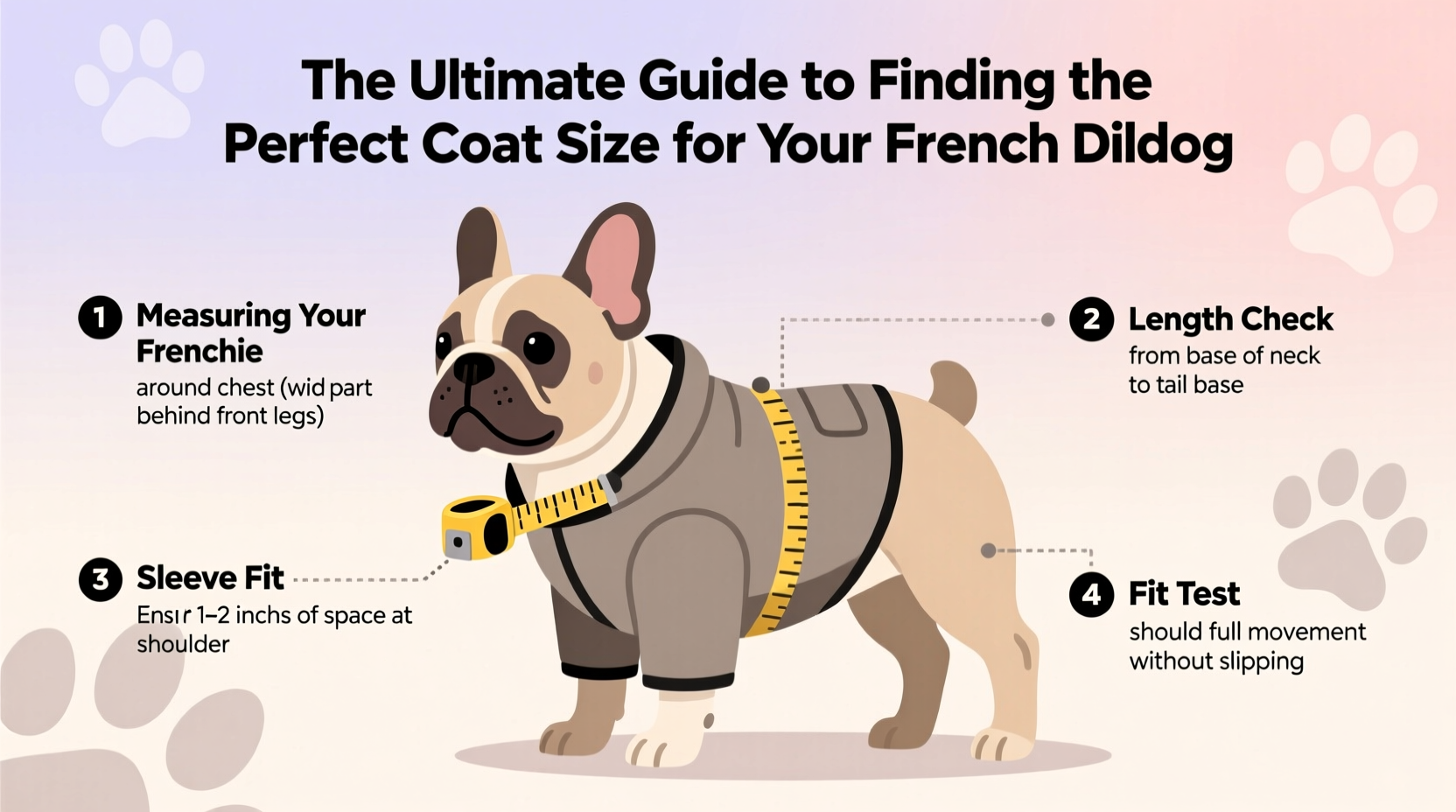
Most dog clothing brands use generalized size charts based on weight or breed averages. However, French Bulldogs vary significantly in proportions even within the same weight class. One Frenchie may weigh 24 pounds with a barrel-shaped chest, while another of the same weight has a slimmer frame. Relying solely on weight or labeled sizes like “Small” or “Medium” often leads to returns, discomfort, or wasted money.
Their muscular shoulders, wide ribcage, and short back mean that off-the-rack garments designed for longer-bodied dogs simply don’t align properly. A coat that fits the length may be too tight across the chest, while one sized for the girth might hang awkwardly over the hips.
“French Bulldogs require custom-fit thinking—even within the same size category, individual variation is huge. Always measure first.” — Dr. Lena Torres, Veterinary Behaviorist & Canine Comfort Specialist
Step-by-Step: How to Measure Your French Bulldog Accurately
To find the right coat, precise measurements are essential. Use a soft fabric tape measure and follow this sequence:
- Neck Circumference: Measure around the base of the neck where the collar sits. Ensure two fingers fit comfortably between the tape and skin.
- Chest Girth: Wrap the tape around the widest part of the chest, just behind the front legs. This is usually the largest measurement and most critical for fit.
- Back Length: Measure from the base of the neck (where the collar meets the fur) to the base of the tail. Avoid measuring along the spine if your Frenchie has a pronounced hunch.
- Weight: While not definitive, record your dog’s current weight as a reference point for brand-specific charts.
Sizing Chart Comparison by Brand
Different manufacturers use varying standards. Below is a comparison of common French Bulldog-friendly brands and how their sizes typically translate to measurements.
| Brand | Size | Chest (in) | Length (in) | Weight Range (lbs) |
|---|---|---|---|---|
| FurHaven | XS | 12–14 | 8–9 | 12–16 |
| FurHaven | S | 14–16 | 9–10 | 16–22 |
| Ruffwear | XS | 13–15 | 9 | 15–20 |
| Ruffwear | S | 15–17 | 10 | 20–25 |
| Pawley’s Bay | Frenchie Small | 14–15.5 | 9–9.5 | 18–22 |
| Pawley’s Bay | Frenchie Medium | 15.5–17 | 9.5–10.5 | 22–26 |
Note: Some brands offer “Frenchie-specific” cuts with wider chest allowances and shorter bodies. These are often worth the premium for better fit and comfort.
Checklist: Before You Buy a Coat
- ✅ Measured neck, chest, and back length accurately
- ✅ Checked brand’s size chart using your dog’s measurements—not weight alone
- ✅ Looked for adjustable straps (especially around neck and belly)
- ✅ Verified return policy in case of fit issues
- ✅ Confirmed the coat allows full leg movement when walking
- ✅ Ensured no rubbing around armpits or neck when your dog moves
- ✅ Selected material appropriate for climate (water-resistant for rain, insulated for snow)
Real Example: Bella the Brindle Frenchie
Bella, a 23-pound brindle French Bulldog from Portland, Oregon, had worn three different coats before her owner got it right. The first was labeled “Small” but cut into her armpits. The second fit the chest but dragged on the ground due to excess length. After measuring carefully—15.2 inches chest, 9.4 inches back—her owner chose a “Frenchie Medium” from a specialty brand. With Velcro adjustments at the neck and belly, the coat stayed secure during rainy walks without restricting motion. Bella now wears it daily in winter, and her owner reports no signs of chafing or discomfort.
Avoid These Common Fitting Mistakes
Even experienced pet owners make errors when selecting dog coats. Watch out for these pitfalls:
- Choosing by weight only: Two Frenchies at 25 lbs can have vastly different builds.
- Ignoring adjustability: Coats with elastic or fixed straps often fail to accommodate broad chests.
- Overlooking mobility tests: Always let your dog walk, sit, and stretch in the coat before finalizing.
- Assuming one size fits all seasons: A heavy winter coat may be too bulky for fall drizzle.
When to Consider Custom or Specialty Coats
If your French Bulldog falls outside typical proportions—such as being particularly stocky, tall for the breed, or recovering from surgery—a custom-fitted coat may be the best solution. Several online retailers offer made-to-measure options based on your exact measurements. While more expensive ($60–$120), they eliminate guesswork and often use higher-quality, breathable materials.
Custom coats are also ideal for dogs with sensitivities or medical conditions requiring extra protection from cold or moisture. For example, Frenchies with allergies or dry skin benefit from seamless linings that reduce irritation.
FAQ: Common Questions About Frenchie Coat Sizing
Can I use a human tape measure if I don’t have a soft one?
Yes, but be cautious. Metal tapes are less flexible and may give inaccurate readings on curved areas. A tailor’s fabric tape from a sewing store is ideal and inexpensive.
My Frenchie is between sizes. Should I size up or down?
Always size up if the chest measurement is close. A slightly loose coat can be adjusted with straps; a too-tight one restricts breathing and movement. Prioritize chest girth over length.
How often should I re-measure my French Bulldog?
At least once a year. Weight fluctuations, muscle development, or aging can change body shape. Puppies should be measured every 2–3 months until they reach maturity at around 12–15 months.
Final Tips for Long-Term Fit Success
Once you’ve found the right coat, maintain its fit by checking periodically for wear and pressure points. Wash according to instructions to preserve elasticity. Rotate between two coats if possible—one for wet weather, one for dry—to extend lifespan and prevent odor buildup.
Keep old coats even after outgrowing them. They make excellent car seat protectors or indoor warmth layers during cold nights.
Conclusion
Finding the perfect coat for your French Bulldog doesn’t have to be frustrating. By taking accurate measurements, understanding brand differences, and prioritizing adjustability and comfort, you can ensure your Frenchie stays warm, dry, and happy all winter long. Don’t settle for ill-fitting, off-the-shelf solutions—your dog deserves gear tailored to their unique physique.




 浙公网安备
33010002000092号
浙公网安备
33010002000092号 浙B2-20120091-4
Comments
No comments yet. Why don't you start the discussion?