
Winter jackets are essential for staying warm, but a poorly fitting one can undermine both comfort and performance. While many people assume that bulkier outerwear should be intentionally oversized, a loose winter jacket often leads to heat loss, restricted movement, and a shapeless silhouette. The key is not just choosing warmth—it’s achieving balance between insulation, mobility, and fit. Whether you're navigating city sidewalks or hiking snowy trails, understanding how to find the right fit ensures your jacket works with you, not against you.
Why Fit Matters More Than You Think
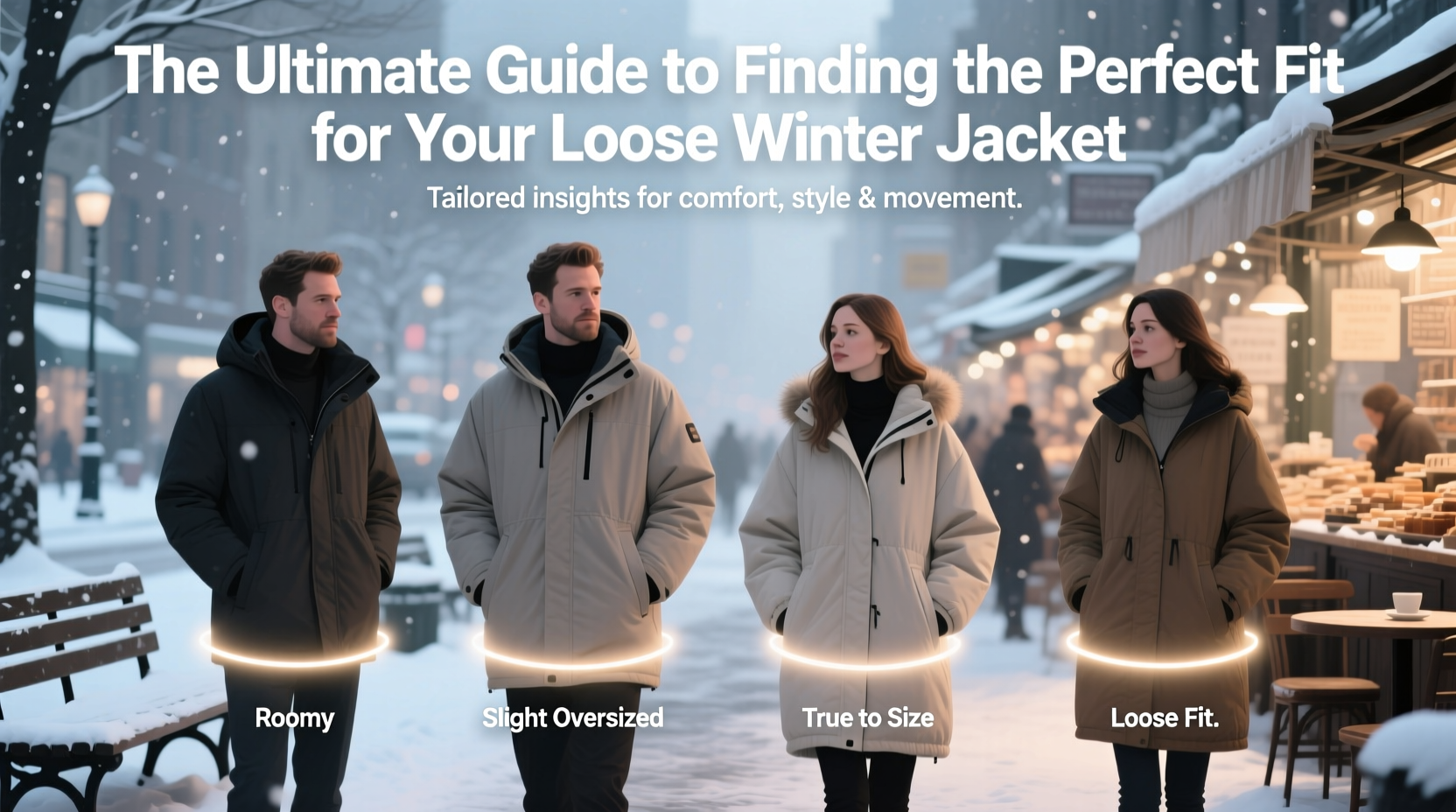
A common misconception is that winter jackets should be roomy to accommodate layers. While some extra space is necessary, excessive looseness defeats the purpose of thermal efficiency. Heat retention depends on trapping warm air close to the body. A jacket that's too large creates gaps where cold air infiltrates and warm air escapes, especially around the neck, wrists, and hem.
Beyond function, fit influences appearance and confidence. A well-fitted jacket enhances posture and proportion, while an oversized one can make even the most premium design look sloppy. Tailoring doesn’t mean squeezing into something tight—it means selecting a cut that aligns with your body type and intended use.
Understanding Jacket Sizing and Cut
Jackets come in various cuts—regular, slim, relaxed, and athletic—each designed for different body shapes and activities. Recognizing these distinctions helps narrow down options before trying anything on.
| Cut Type | Fits Best For | Layering Capacity | Best Use Case |
|---|---|---|---|
| Slim | Narrow shoulders, lean build | Light layers only (fleece or sweater) | Urban commuting, casual wear |
| Regular | Average build, balanced proportions | Moderate (sweater + mid-layer) | Daily wear, light outdoor activity |
| Relaxed | Broad shoulders, muscular frame | Heavy (multiple mid-layers) | Hiking, skiing, extreme cold |
| Athletic | V-shaped torso, defined chest/shoulders | Moderate with structured fit | Active sports, dynamic movement |
The shoulder seams are the most critical point of fit. They should sit directly at the edge of your shoulders, not drooping down your arm or pulling toward your neck. If the shoulders are off, no amount of adjustment will fix the overall silhouette.
Step-by-Step Guide to Assessing Fit
Finding the ideal fit isn’t guesswork—it’s a process. Follow this sequence when evaluating a winter jacket, whether in-store or after online purchase.
- Wear Your Typical Base and Mid-Layer: Put on the thermal top and sweater or fleece you’d normally wear under the jacket. This mimics actual usage and prevents underestimating needed space.
- Check Shoulder Alignment: Stand naturally and observe where the shoulder seam lands. It should align with the bone junction between upper arm and torso. Misalignment affects sleeve reach and mobility.
- Test Arm Mobility: Raise both arms fully overhead. The jacket should move with you without lifting at the hem or restricting motion. If it pulls up significantly, it may be too tight or short.
- Evaluate Torso Space: Zip or button up completely. There should be enough room to fit a fist between your chest and the jacket fabric when standing relaxed. More than that indicates excess volume.
- Assess Sleeve Length: With arms down, sleeves should cover the wrist bone but not extend past the base of the thumb. Too long interferes with gloves; too short exposes skin to cold.
- Check Hem Coverage: The lower hem should sit at or slightly below the hip. Shorter hems expose the lower back in cold winds; longer ones can restrict movement when sitting or bending.
“Fit isn’t about size—it’s about proportion and function. A jacket two sizes larger won’t keep you warmer if it lets in wind.” — Daniel Park, Outerwear Designer at Alpine Gear Co.
How to Modify a Loose Winter Jacket
If you already own a jacket that’s slightly too big, don’t assume it’s unusable. Many adjustments can improve fit without compromising insulation.
- Use Built-In Adjusters: Most quality winter jackets feature drawcords at the hood, hem, and waist. Tightening these reduces excess volume and seals out drafts.
- Add Internal Accessories: Wear a fitted vest or gilet underneath to fill out the torso area and minimize flapping fabric.
- Tailor Non-Critical Areas: A skilled tailor can take in side seams or shorten sleeves. Avoid altering insulated zones unless the jacket has removable liners or baffles.
- Layer Strategically: Instead of bulky sweaters, opt for thinner, high-loft materials like merino wool or technical thermals. These provide warmth without adding unnecessary girth.
Real-World Example: Fixing a Baggy Parka
Mark bought a heavy-duty parka online for his winter commute. Excited by its warmth rating, he chose a size up to “allow room for layers.” In practice, the jacket sagged at the shoulders, flapped in the wind, and made him feel engulfed. After consulting a tailor, he had the side panels taken in by 1.5 inches each. The sleeves were shortened slightly so they didn’t cover his gloves. He began wearing a thin down vest underneath instead of a thick sweater. The result? Same warmth, better mobility, and a sharper look. His daily walk to work became more comfortable—and he received compliments for the first time on his outerwear.
Do’s and Don’ts of Winter Jacket Fitting
| Do | Don't |
|---|---|
| Try the jacket with your winter boots on to judge length and stance | Ignore the fit when seated—test it in a car or chair |
| Move dynamically during fitting: bend, reach, twist | Assume all brands size the same—always check brand-specific charts |
| Look for articulated sleeves and gusseted underarms for better range of motion | Over-tighten drawcords to compensate for poor fit—they’ll break or distort fabric |
| Consider adjustable cuffs and hem tabs for fine-tuning | Buy a jacket that fits tightly now hoping it’ll “loosen up” with wear |
FAQ
Can I return a winter jacket if it’s too loose?
Most reputable retailers allow returns within 30 days, especially if the item is unworn and tags are intact. Always check the return policy before purchasing, particularly for seasonal items that may become final sale as winter approaches.
Is it better to size up for winter coats?
Only if you’re planning to wear multiple thick layers consistently. For everyday use, stick to your true size with room for a mid-layer. Modern insulated jackets are designed with layering in mind—unnecessary sizing up sacrifices thermal efficiency.
How do I know if my jacket is too long?
If the hem falls below mid-thigh, it may hinder movement, especially when driving or using public transit. A longer jacket offers more coverage but can ride up when sitting or flap excessively in wind. Aim for hip-to-upper-thigh length for versatility.
Final Thoughts
Finding the perfect fit for your loose winter jacket isn’t about chasing trends or maximal coverage—it’s about intelligent selection and thoughtful adjustment. A well-fitted jacket keeps you warmer, moves with you, and reflects attention to detail. From assessing shoulder seams to optimizing layering systems, every element contributes to a seamless winter experience. Don’t settle for bulky discomfort when precision and practicality are within reach.




 浙公网安备
33010002000092号
浙公网安备
33010002000092号 浙B2-20120091-4
Comments
No comments yet. Why don't you start the discussion?