
Applying for a credit card online has become the standard—fast, convenient, and often more transparent than in-person applications. But with convenience comes risk. A poorly prepared application can lead to rejection, identity theft, or long-term damage to your credit score. The key to success lies in preparation, timing, and security awareness. Whether you're building credit for the first time or upgrading to a rewards card, this guide walks you through every step to ensure your application is approved quickly and safely.
Understand Your Credit Standing First
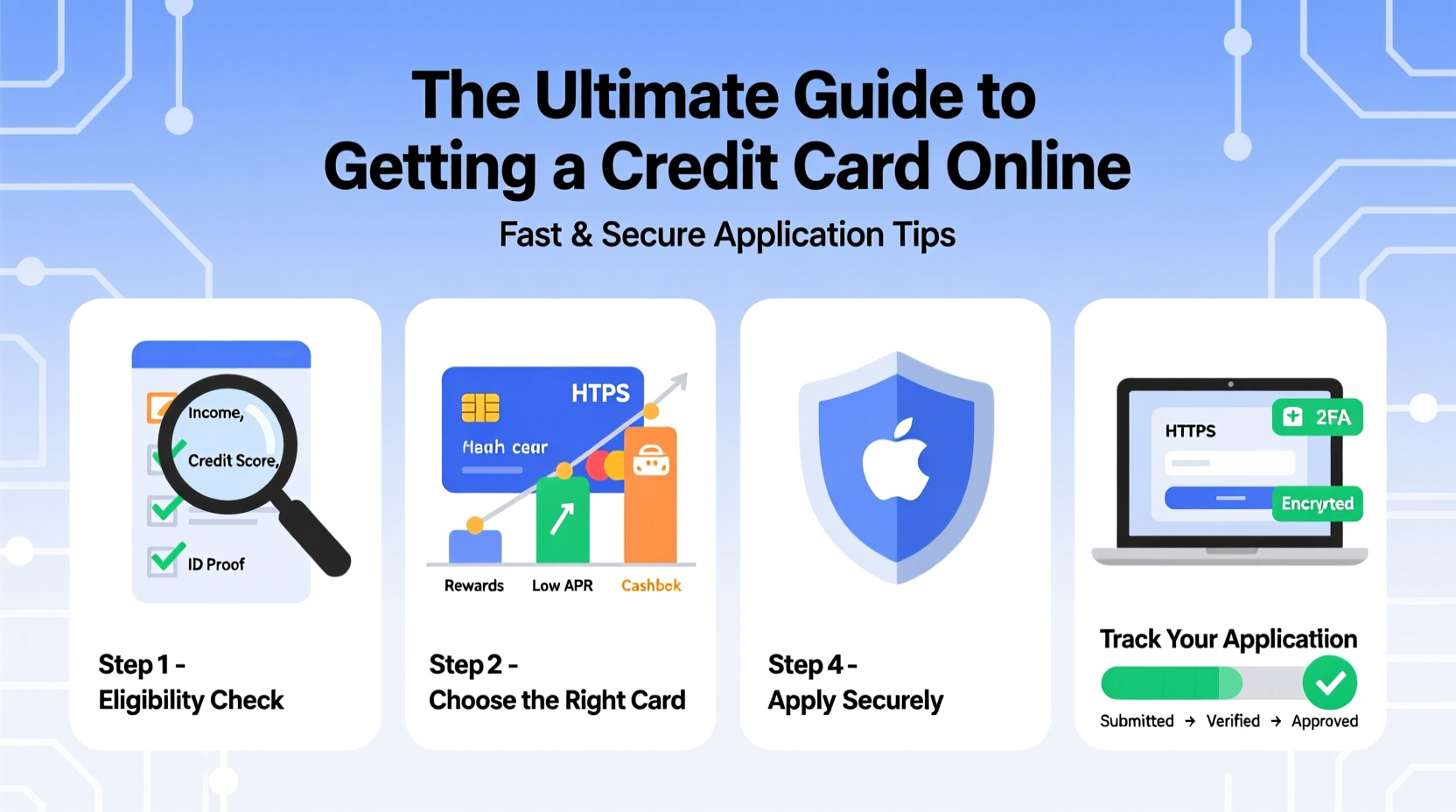
Before you even visit a bank’s website, know where you stand financially. Lenders evaluate your creditworthiness based on your credit history, income, and existing debt. Pull your credit report from one of the three major bureaus—Equifax, Experian, or TransUnion. You’re entitled to one free report per year at AnnualCreditReport.com.
Review your report for errors such as incorrect balances, late payments you didn’t make, or accounts you don’t recognize. Dispute inaccuracies immediately; correcting them can boost your score within weeks.
If your score is below 670 (FICO), consider starting with a secured credit card or a credit-builder loan. These tools help establish or rebuild credit over time, increasing your chances of approval for unsecured cards later.
Choose the Right Card for Your Needs
Not all credit cards are created equal. Applying for a card that doesn’t align with your spending habits or credit level leads to rejection and unnecessary hard inquiries. Consider these factors:
- Rewards vs. Low Interest: Frequent travelers might benefit from travel rewards, while those carrying balances should prioritize low APRs.
- Fees: Annual fees, foreign transaction fees, and balance transfer costs add up. Choose cards with fee structures that suit your lifestyle.
- Introductory Offers: 0% APR for 12–18 months can be valuable for large purchases or debt consolidation—but only if you can repay before the rate increases.
“Applying for a card just because it offers cash back isn’t smart. Match the card to your actual spending patterns.” — Marcus Reed, Financial Advisor at Horizon Wealth Planning
| Credit Score Range | Card Type | Recommended For |
|---|---|---|
| 300–579 (Poor) | Secured or Student Cards | Rebuilding credit, first-time users |
| 580–669 (Fair) | Unsecured with High Fees | Limited options; focus on improving score |
| 670–739 (Good) | Rewards or Balance Transfer Cards | Everyday spending, moderate borrowing |
| 740+ (Excellent) | Premium Travel or Cash Back Cards | Maximizing rewards, high-income earners |
Step-by-Step Guide to Applying Online
A successful application hinges on accuracy and speed. Follow this timeline to submit a strong request:
- Research (1–3 days): Compare cards using trusted sites like NerdWallet, Bankrate, or official issuer pages. Read the fine print on interest rates and penalties.
- Gather Documents (1 hour): Have your Social Security number, recent pay stubs, W-2 forms, and monthly expense details ready.
- Pre-Qualify (Optional, 10 minutes): Use soft-check tools offered by issuers like Chase or Citi to see which cards you’re likely to approve for—no impact on your credit score.
- Submit Application (15–20 minutes): Complete the form with precise information. Double-check spelling, income, and employment dates.
- Wait for Decision (Instant to 10 business days): Many issuers provide instant approval. If not, expect updates via email or phone.
- Activate & Secure Your Card (Within 7 days): Once received, activate online or by phone and set up fraud alerts and mobile notifications.
Avoid Common Application Mistakes
Even small errors can derail an otherwise solid application. Here’s what to watch for:
- Inflating Income: Lying about earnings is not only unethical—it violates the Credit CARD Act of 2009. Misrepresentation can lead to account closure or legal action.
- Multiple Applications in One Week: Each hard inquiry drops your score slightly. Spacing out applications by 3–6 months minimizes damage.
- Ignoring Terms and Conditions: Hidden fees, penalty APRs, and grace period rules vary widely. Know them before signing.
- Using Public Wi-Fi to Apply: Never submit sensitive data over unsecured networks. Always use a private, password-protected connection.
Real Example: Sarah’s Approval Turnaround
Sarah, a 29-year-old graphic designer, applied for a travel rewards card after seeing an ad promising 50,000 bonus miles. She was denied instantly. Confused, she pulled her credit report and discovered two unpaid medical bills totaling $420 were listed as collections. After settling the debts and waiting 30 days, her score rose from 642 to 681. She reapplied with the same issuer, this time choosing a pre-qualified option. Her second application was approved within minutes. By addressing the root cause and selecting a better-fit card, Sarah avoided repeated denials and secured a card with no annual fee and 2x points on dining.
Secure Your Application and Protect Your Identity
Your personal data is a prime target during the application process. Cybercriminals use phishing, fake websites, and malware to steal SSNs and banking details. Protect yourself with these measures:
- Only apply through official bank websites—verify URLs begin with “https://” and display a padlock icon.
- Never click links in unsolicited emails claiming to offer credit cards.
- Use a strong, unique password for your financial accounts. Enable two-factor authentication (2FA) wherever possible.
- Monitor your inbox and credit reports post-application. Unusual activity could signal identity theft.
“Over 30% of identity theft cases start with a compromised financial application. Consumers must treat every online form like a locked vault.” — Lisa Tran, Cybersecurity Analyst at TrustShield Solutions
Checklist: Secure Online Credit Card Application
- ✅ Check your credit score and report for errors
- ✅ Research 2–3 suitable cards based on your needs
- ✅ Use a secure, private internet connection
- ✅ Gather required documents (SSN, income proof, ID)
- ✅ Pre-qualify if available to avoid unnecessary inquiries
- ✅ Review all terms, including APR, fees, and rewards
- ✅ Submit accurate information without omissions or exaggerations
- ✅ Activate the card promptly and set up security alerts
Frequently Asked Questions
Can I get a credit card online with bad credit?
Yes, but your options will be limited. Secured credit cards require a refundable deposit (typically $200–$500) and report to credit bureaus, helping you build history. Some issuers also offer unsecured cards for fair credit, though they may come with high fees and low limits.
How long does online credit card approval take?
Many issuers provide instant decisions—within 60 seconds. Others may take up to 10 business days if additional verification is needed. If approved, your physical card usually arrives within 7–10 business days.
Does applying for a credit card hurt my credit score?
Yes, temporarily. A hard inquiry typically lowers your score by 5–10 points and stays on your report for two years. However, the impact fades after 12 months. Multiple inquiries in a short window for rate shopping (e.g., auto loans) are treated as one, but credit card inquiries are counted individually.
Take Control of Your Financial Future
Getting a credit card online doesn’t have to be stressful or risky. With the right preparation, you can complete the process in under 30 minutes and emerge with a powerful financial tool. The best cards don’t just offer rewards—they fit seamlessly into your budget, help you build credit, and protect your identity. Don’t rush the decision. Take time to assess your finances, compare offers, and submit accurate information. A single well-chosen card can open doors to better loan rates, rental approvals, and financial freedom.




 浙公网安备
33010002000092号
浙公网安备
33010002000092号 浙B2-20120091-4
Comments
No comments yet. Why don't you start the discussion?