
Moving to a new country is one of life’s most transformative experiences. Whether driven by career opportunities, love, education, or the desire for a fresh start, international relocation demands more than just packing a suitcase. It requires meticulous planning, emotional resilience, and cultural awareness. Done well, it can lead to profound personal growth and rewarding new beginnings. Done poorly, it can result in stress, financial loss, and premature return home. This guide delivers actionable strategies to ensure your transition abroad is as smooth and successful as possible.
1. Lay the Groundwork: Research and Planning
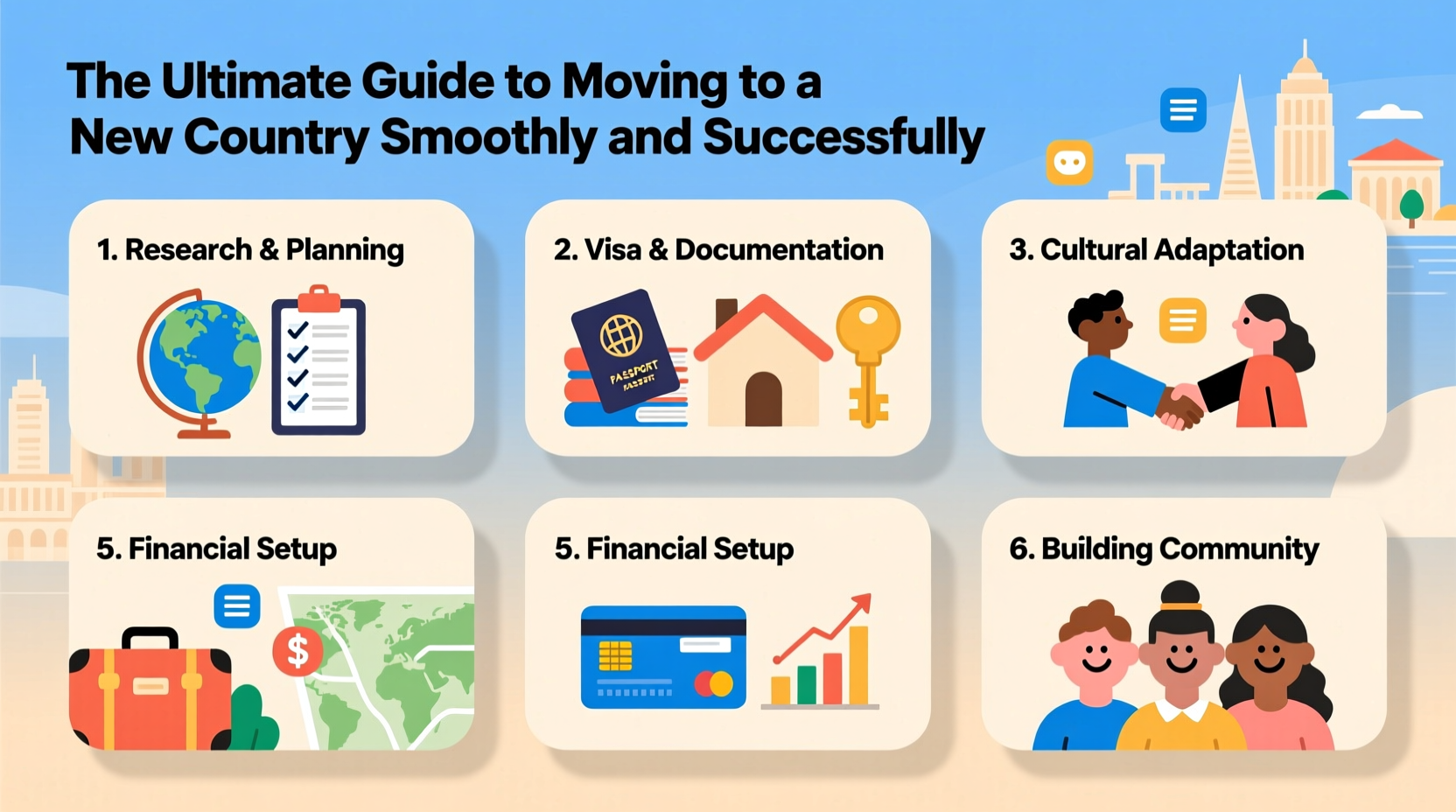
Before booking flights or resigning from your job, invest time in thorough research. Understanding your destination’s cost of living, healthcare system, housing market, and legal requirements will shape your entire experience. Begin by identifying key questions: What are the visa options? Is your profession in demand? How does public transportation work? Are utilities included in rent?
Use official government immigration websites, expat forums like InterNations or Expat.com, and local news sources to gather accurate information. Avoid relying solely on anecdotal advice. Instead, cross-reference data to form a realistic picture of daily life.
Step-by-Step Timeline (6–12 Months Before Move)
- Month 12–9: Define your goals—career, lifestyle, family needs—and shortlist 2–3 potential countries.
- Month 8–6: Research visa types (work, student, retirement, digital nomad) and eligibility criteria.
- Month 5–4: Begin applying for visas and gathering documents (passport, police clearance, medical exams).
- Month 3–2: Secure housing remotely using platforms like HousingAnywhere or local Facebook groups.
- Month 1: Notify banks, cancel subscriptions, arrange mail forwarding, and book movers.
2. Navigate Legal and Financial Requirements
No international move is complete without addressing legal formalities. The most common hurdle is securing the correct visa. Tourist visas do not permit employment; working without authorization can lead to deportation or entry bans. Consult your destination country’s embassy or an immigration lawyer if requirements are unclear.
Financial preparation is equally critical. Open a multi-currency bank account with services like Wise or Revolut to manage transfers affordably. Understand tax implications—some countries tax worldwide income, while others offer favorable regimes for newcomers (e.g., Portugal’s NHR program).
| Document | Purpose | Tips |
|---|---|---|
| Passport (valid 6+ months) | Entry requirement | Renew early; keep digital copies |
| Visa/Residence Permit | Legal stay and work rights | Apply through official channels only |
| International Driving Permit | Drive legally abroad | Check local recognition rules |
| Health Insurance Proof | Visa application & access to care | Ensure coverage meets national standards |
“Over 60% of failed relocations stem from incomplete paperwork or underestimating bureaucratic timelines.” — Maria Santos, International Relocation Consultant
3. Prepare Logistically: Housing, Belongings, and Pets
Finding housing from afar can be daunting. Short-term rentals (Airbnb, serviced apartments) offer breathing room while you scout neighborhoods in person. Prioritize proximity to public transit, safety, and access to essentials like grocery stores and clinics.
When shipping belongings, compare international movers with FIDI or IAM certification. Get at least three quotes and clarify what’s included—customs handling, insurance, delivery timelines. For budget-conscious moves, consider selling large furniture and buying secondhand locally.
If traveling with pets, research quarantine laws and required vaccinations. The EU, for example, mandates microchipping, rabies vaccination, and an Animal Health Certificate issued within 10 days of travel.
4. Adapt Culturally and Emotionally
Cultural adjustment follows a predictable curve: excitement (honeymoon phase), frustration (culture shock), gradual adaptation, and integration. Expect moments of disorientation—even simple tasks like grocery shopping can feel overwhelming initially.
Learn basic phrases in the local language before arrival. Even saying “hello,” “thank you,” and “excuse me” builds goodwill. Observe social norms: punctuality expectations, dining etiquette, and personal space boundaries vary widely. In Japan, bowing is customary; in Brazil, arriving 15–30 minutes late is normal.
Mini Case Study: From Chicago to Lisbon
Sophie, a software developer, relocated to Lisbon for a remote-first tech role. Despite securing her D7 visa and finding an apartment online, she struggled during her first month. Misunderstandings at the bank due to language gaps left her without a local account. She felt isolated after realizing colleagues socialized outside office hours—a norm unfamiliar in her previous U.S. role. By joining a weekly language exchange meetup and seeking mentorship from other expats, Sophie gradually built confidence. Six months in, she secured a Portuguese driver’s license and began weekend trips across the country. Her advice: “Give yourself grace. Integration isn’t instant—it’s built through small, consistent efforts.”
5. Build a New Life: Work, Community, and Long-Term Success
Landing a job abroad often depends on leveraging existing networks and tailoring applications to local standards. In Germany, CVs include photos and detailed personal information; in Australia, they’re concise and skills-focused. Use LinkedIn strategically—connect with professionals in your field and attend virtual industry events.
Community is vital for long-term happiness. Join clubs, volunteer, or take classes (cooking, dance, language). These settings foster organic friendships and help you feel rooted. One study by the University of Oxford found that expats who formed meaningful local connections within six months reported significantly higher life satisfaction.
Essential Pre-Move Checklist
- ✅ Confirm visa type and application timeline
- ✅ Gather all required documents (birth certificate, diplomas, marriage license)
- ✅ Arrange international health insurance
- ✅ Notify your bank and set up online banking access
- ✅ Sell or store furniture and non-essential items
- ✅ Book temporary accommodation for arrival
- ✅ Register with your country’s embassy abroad
- ✅ Download offline maps and translation apps
Frequently Asked Questions
Can I use my current passport indefinitely when living abroad?
Your passport must remain valid throughout your stay. Many countries require at least six months of validity beyond your entry date. Renew it before departure if nearing expiration.
How do I handle taxes when moving overseas?
Tax residency depends on physical presence and local laws. Some countries have double taxation agreements to prevent being taxed twice. Consult a cross-border tax advisor to understand filing obligations in both your home and host countries.
What if I arrive and hate the country?
It happens. Culture shock and loneliness are normal. Give yourself 3–6 months before making a final decision. Seek support from expat communities and mental health professionals. If you still struggle, plan an exit strategy—returning home doesn’t mean failure.
Conclusion
Moving to a new country successfully isn’t about avoiding challenges—it’s about preparing for them with clarity and courage. From navigating visa bureaucracy to embracing cultural nuances, every step shapes your journey toward a fulfilling international life. Knowledge, patience, and proactive planning turn uncertainty into opportunity.




 浙公网安备
33010002000092号
浙公网安备
33010002000092号 浙B2-20120091-4
Comments
No comments yet. Why don't you start the discussion?