
Smoking pufferfish, or fugu, is a culinary practice steeped in tradition and precision. Known for its delicate texture and subtle umami flavor, smoked pufferfish can be an exquisite addition to gourmet meals—if handled correctly. However, due to the presence of tetrodotoxin, a potent neurotoxin found in certain organs of the fish, improper preparation can be fatal. This guide walks you through every step required to prepare, smoke, and enjoy pufferfish safely and deliciously in a home kitchen setting—without compromising on flavor or safety.
Understanding Pufferfish: Risks and Rewards
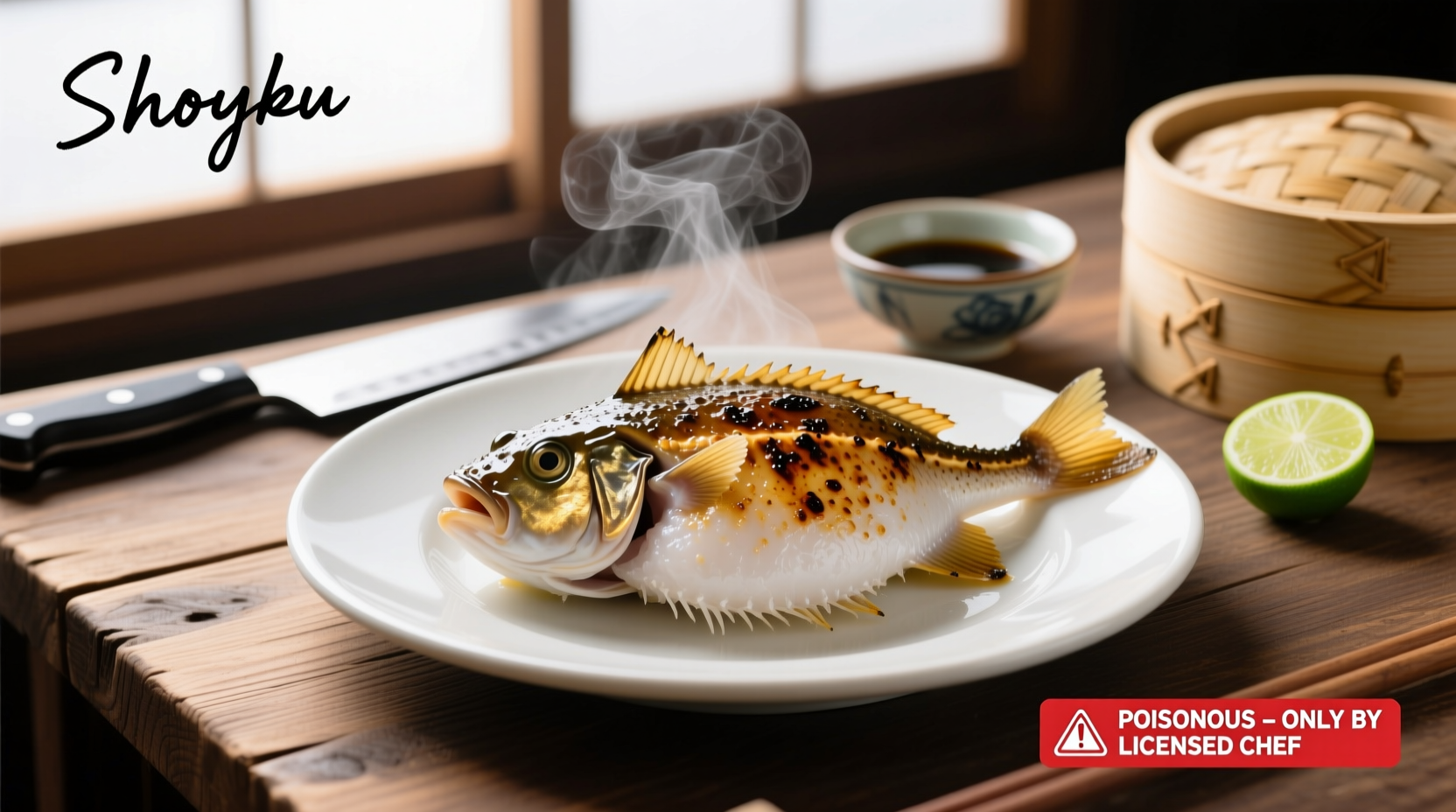
Pufferfish, particularly species like Takifugu rubripes, are infamous for their toxicity. Tetrodotoxin, concentrated in the liver, ovaries, intestines, and skin, is up to 1,200 times more poisonous than cyanide. There is no known antidote. Yet, when expertly cleaned and prepared, the muscle tissue of pufferfish is safe to consume and prized in Japanese cuisine for its clean, firm texture and mild sweetness.
In Japan, only licensed chefs who have undergone rigorous training (often lasting three years) are legally permitted to prepare fugu. While home preparation remains illegal in many countries, some regions allow possession and cooking of farm-raised, non-toxic pufferfish varieties that are bred to be toxin-free under controlled conditions.
“Even with farm-raised pufferfish, caution is paramount. Cross-contamination or misidentification can lead to serious consequences.” — Dr. Kenji Tanaka, Marine Toxin Researcher, Hokkaido University
Essential Safety Protocols Before You Begin
Safety must override all other considerations when handling pufferfish. The following checklist outlines critical precautions to take before any preparation begins.
✅ Safety Checklist
- Confirm the pufferfish is farm-raised and certified toxin-free
- Use dedicated knives and cutting boards—never shared with other foods
- Wear disposable gloves during handling
- Clean all surfaces with hot, soapy water and disinfect post-prep
- Dispose of scraps in sealed containers, away from pets and children
- Work in a well-ventilated area to avoid inhaling any residual compounds
Never attempt to clean wild-caught pufferfish at home. Even experienced chefs face risks. Stick to commercially available, pre-cleaned fillets designed for consumer use.
Step-by-Step Guide to Preparing and Smoking Pufferfish
Once you’ve secured a safe, edible pufferfish fillet, follow this detailed timeline for smoking it to perfection.
- Thawing (if frozen): Place the vacuum-sealed fillet in the refrigerator for 12–24 hours. Never thaw at room temperature.
- Rinsing: Gently rinse the fillet under cold running water and pat dry with paper towels.
- Brining (4–6 hours): Submerge the fillet in a brine solution of 4 cups water, 1/4 cup kosher salt, 1/4 cup brown sugar, and optional aromatics (bay leaf, peppercorns, garlic). This enhances moisture retention and flavor.
- Drying: Remove from brine, rinse lightly, then air-dry on a rack in the refrigerator for 2–3 hours to form a pellicle—a tacky surface layer essential for smoke adhesion.
- Smoking: Set your smoker to 200°F (93°C). Use mild woods like apple, cherry, or alder. Smoke for 1.5 to 2 hours, or until internal temperature reaches 145°F (63°C).
- Resting: Let the fish rest for 10 minutes before slicing thinly against the grain.
Flavor Profiles and Serving Suggestions
Smoked pufferfish has a refined taste—clean, slightly sweet, with a texture akin to smoked scallop or firm white fish. Its versatility makes it ideal for both elegant presentations and casual dishes.
| Pairing Type | Recommendation | Why It Works |
|---|---|---|
| Wine | Chilled sake or dry Riesling | Complements umami without overwhelming delicacy |
| Accompaniments | Daikon radish, shiso leaves, ponzu sauce | Adds brightness and traditional contrast |
| Serving Style | Thin slices on rice crackers or sushi-style platters | Highlights texture and allows slow appreciation |
| Heat Application | Light sear or serve cold | Preserves tenderness; overheating dries out flesh |
Consider serving smoked fugu as part of a tasting board with pickled vegetables, wasabi cream, and toasted nori. Its low oil content means it won’t feel heavy, making it ideal for multi-course meals.
Real Example: A Home Gourmet’s Experience
Lena Park, a food enthusiast from Portland, Oregon, sourced a certified farm-raised pufferfish fillet from a specialty Asian seafood distributor. After researching extensively and consulting a local chef, she followed strict hygiene and brining protocols. Using her electric smoker with applewood chips, she smoked the fillet at 200°F for 90 minutes.
The result? “It was unlike anything I’ve tasted—silky, smoky, with a clean finish,” Lena said. “I served it chilled with yuzu-dressed greens and received compliments for days. But I’ll never cut corners again. The prep took longer than expected, but safety isn’t negotiable.”
Frequently Asked Questions
Can I smoke pufferfish without brining?
Technically yes, but not recommended. Brining improves moisture retention and develops flavor. Skipping it may result in dry, bland meat, especially given pufferfish’s lean composition.
Is it legal to buy and cook pufferfish at home?
It depends on your country. In the U.S., the FDA bans import of raw pufferfish, but some states allow sale of farm-raised, processed fugu. In the EU, strict regulations apply. Always check local laws and source only from approved suppliers.
How do I know if my pufferfish is safe to eat?
Look for certification labels indicating “non-toxic,” “farm-raised,” and “processed for human consumption.” If the packaging lacks clear origin and safety information, do not proceed. When in doubt, return it.
Conclusion: Mastery Through Caution and Craft
Smoking pufferfish at home is not a casual weekend project—it’s a disciplined fusion of culinary art and biological awareness. When approached with respect, proper sourcing, and meticulous technique, it offers a rare gastronomic experience. The elegance of smoked fugu lies not just in its flavor, but in the care behind its creation.
Start small. Use only certified fillets. Document each step. Share your results—but always prioritize safety over novelty. The true mark of a skilled home chef isn’t daring, but wisdom in execution.




 浙公网安备
33010002000092号
浙公网安备
33010002000092号 浙B2-20120091-4
Comments
No comments yet. Why don't you start the discussion?