
Collecting Disney Funko Pops has become more than a hobby—it's a passion for fans around the world. Among the most sought-after figures is “The Thing” from Disney’s *The Haunted Mansion* series. With its unique design and limited availability, this figure has attracted counterfeiters looking to profit from unsuspecting collectors. Distinguishing an authentic piece from a fake requires attention to detail, knowledge of production standards, and awareness of common red flags. This guide delivers actionable insights, real-world examples, and expert-backed strategies to help you confidently identify a genuine Disney Funko Pop: The Thing.
Why Authenticity Matters in Funko Pop Collecting
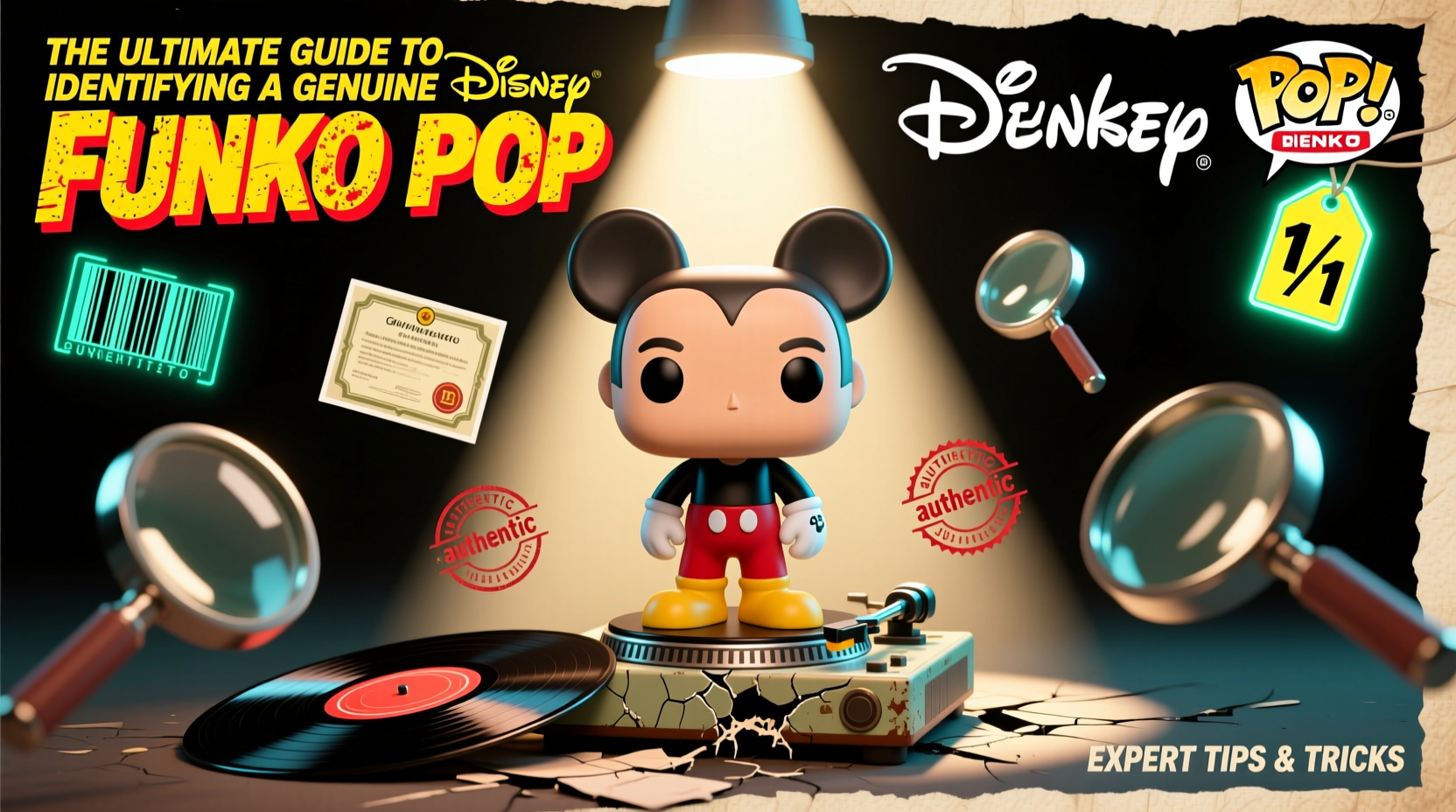
Funko Pops are more than plastic collectibles—they represent fandom, nostalgia, and investment. Rare or limited-edition figures like Disney’s The Thing can appreciate significantly in value over time. A genuine sealed version in mint condition may sell for hundreds of dollars, while a counterfeit might be worth only a few dollars. Beyond financial loss, owning a fake diminishes the integrity of your collection and risks misleading other enthusiasts if resold unknowingly.
Fake figures often use lower-quality materials, inaccurate paint applications, and incorrect packaging details. These flaws not only affect appearance but also long-term durability. Serious collectors prioritize authenticity to preserve both sentimental and monetary value.
“Authenticity verification isn’t just about avoiding scams—it’s about respecting the craft and culture of collecting.” — Jordan Lee, Senior Curator at Pop Culture Archive
Step-by-Step Guide to Verifying Your Disney Funko Pop: The Thing
Follow this systematic approach to inspect any Disney Funko Pop: The Thing before purchase or after acquisition.
- Check the Box Integrity: Genuine boxes have clean edges, precise die-cut windows, and consistent color saturation. Look for misaligned flaps, uneven seams, or overly glossy finishes—common signs of counterfeits.
- Examine the Logo Placement: The Funko logo on the front should be centered, sharp, and free of smudging. On fake boxes, logos are often slightly off-center or pixelated.
- Scan the Barcode: Use a barcode scanner app to verify the UPC. For The Thing (Funko Pop #710), the official barcode should match known databases like Funko’s website or reputable collector forums.
- Inspect the Figure Itself: Remove the figure carefully. Check for proper sculpt symmetry, especially in facial features and hands. Counterfeits often have blob-like fingers or distorted proportions.
- Evaluate Paint Quality: Authentic figures feature clean lines, no overspray, and accurate colors. The Thing’s signature greenish-gray skin tone and textured surface should appear consistent under light.
- Feel the Material: Real Funko Pops are made from durable vinyl with moderate weight. Fakes tend to feel lighter, hollow, or brittle due to inferior plastic.
- Verify the Base Stamp: Flip the figure. Genuine bases include molded text such as “© Disney” and “™ & © 2023 Funko,” along with a production date code. Missing or poorly engraved markings indicate a replica.
Key Differences: Genuine vs. Fake Disney Funko Pop – The Thing
| Feature | Genuine Figure | Counterfeit |
|---|---|---|
| Box Text Clarity | Sharp, high-resolution printing | Blurry or pixelated text |
| Figure Weight | Approx. 120–140g | Often under 100g |
| Paint Application | Clean edges, no bleed | Overspray, uneven coats |
| Base Engraving | Clear “© Disney” and batch code | Faint, missing, or misspelled |
| Head Proportion | Slightly oversized, stylized | Too small or misshapen |
Real Example: How One Collector Avoided a $200 Scam
Mark T., a seasoned collector from Austin, Texas, nearly purchased a “sealed mint” Disney Funko Pop: The Thing on a popular online marketplace. The seller claimed it was from a retired line and priced it at $195. Mark requested additional photos before paying. In a close-up of the box corner, he noticed the barcode didn’t reflect light the same way as genuine ink—it appeared printed flat instead of raised. He used a barcode lookup tool and found no record of that number in Funko’s database.
He then asked for a photo of the base through the window. The engraving looked faint and lacked the expected depth. Based on these inconsistencies, Mark declined the offer. Later, the same listing was flagged by another buyer as fraudulent. His diligence saved him from a costly mistake.
Essential Checklist for Buying Authentic Disney Funko Pops
- ✅ Verify the Funko product number (e.g., #710 for The Thing)
- ✅ Confirm licensing marks: “© Disney” and “™ & © Funko” must be present
- ✅ Inspect packaging for correct font styles and logo alignment
- ✅ Weigh the figure or request weight from the seller
- ✅ Cross-reference with official Funko images or collector databases
- ✅ Ensure the protective sticker on the box is intact and correctly applied
- ✅ Buy from authorized retailers or highly-rated sellers with reviews
Frequently Asked Questions
How can I tell if a Funko Pop sticker is original?
Genuine stickers are matte-finish, precisely aligned, and slightly recessed into the box flap. Counterfeit stickers are often glossy, crooked, or sit too high above the surface. They may peel easily or leave residue when removed.
Are there fake Funko Pops with correct barcodes?
Rarely, but possible. Sophisticated counterfeiters sometimes replicate valid barcodes. That’s why physical inspection remains crucial—even if the barcode scans correctly, discrepancies in weight, paint, or base engraving can still reveal a fake.
Does Funko offer authentication services?
No, Funko does not provide third-party authentication. However, they maintain an official product catalog on their website. Independent grading companies like PSA or CGC now offer collectible pop grading, which includes authenticity verification.
Protecting Your Collection Long-Term
Once you’ve confirmed your Disney Funko Pop: The Thing is genuine, proper storage ensures it stays in pristine condition. Keep figures away from direct sunlight to prevent UV fading, especially on lighter-colored areas like the eyes or clothing. Store in a climate-controlled environment; extreme heat can warp vinyl, while humidity may damage cardboard boxes.
For display, use UV-protected cases. If storing sealed boxes, place them upright and avoid stacking to prevent seam splits. Consider inventory documentation—take photos and keep receipts—to establish provenance, especially for high-value items.
“The best collections are built on trust, research, and patience. Rushing a purchase increases risk.” — Lena Park, Founder of PopID Verification Network
Final Thoughts: Confidence in Every Purchase
Identifying a genuine Disney Funko Pop: The Thing isn’t about suspicion—it’s about empowerment. Armed with the right knowledge, tools, and habits, you can navigate the market with confidence. Whether you’re expanding your personal shrine to Disney oddities or investing in valuable collectibles, authenticity is the foundation of lasting enjoyment.
Stay vigilant, consult trusted sources, and engage with the collector community. Share your findings, ask questions, and contribute to a culture of transparency. The thrill of the hunt means nothing without the pride of owning something truly real.




 浙公网安备
33010002000092号
浙公网安备
33010002000092号 浙B2-20120091-4
Comments
No comments yet. Why don't you start the discussion?